Stocks● Neutral
Swatch Royal Pop Chaos: Police Called, Resellers Flip at 6x Retail
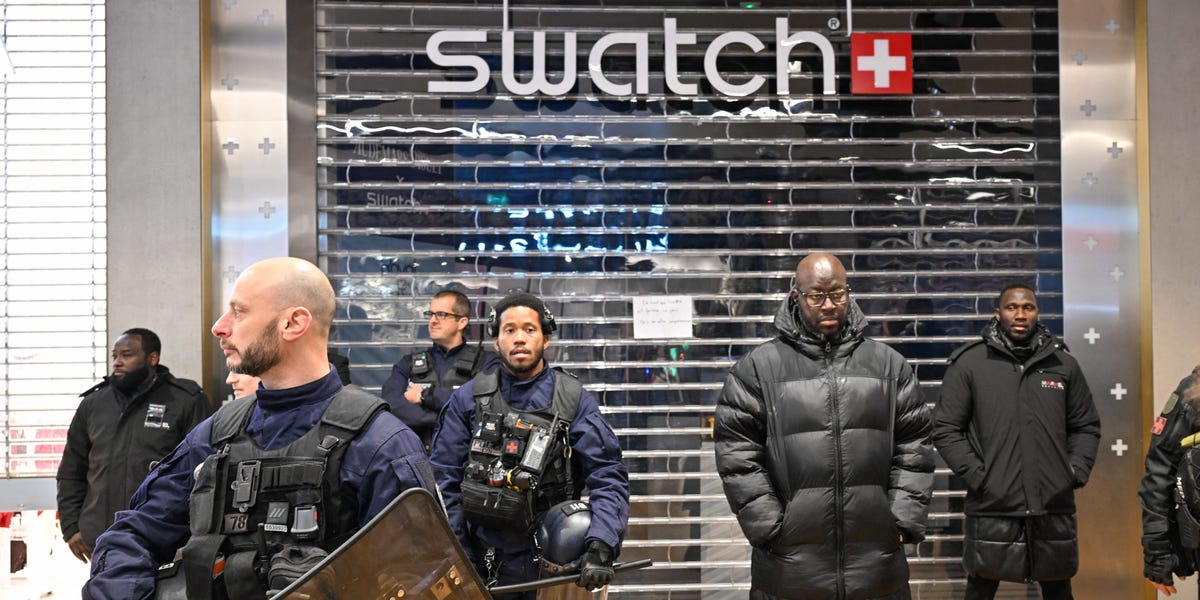
Swatch Group's Royal Pop collab with Audemars Piguet triggered police intervention at stores. Secondary market prices at six times retail. The execution risk tests the limited-edition strategy for UHR stock.
Continue with
The release of the Royal Pop collection, a pocket-watch collaboration between Swatch Group and Audemars Piguet, triggered police intervention at retail locations this weekend. Stores in multiple cities called law enforcement to manage crowds of enthusiasts and resellers. Some outlets closed early. On secondary markets, certain pieces are already trading at six times the retail price.
The frenzy confirms that Swatch Group still commands extraordinary demand for limited-edition drops. The execution breakdown exposes a structural tension between creating exclusivity and controlling distribution, a dynamic with direct implications for the stock.
Swatch Group's Royal Pop Launch: Police Intervention and Store Closures
Swatch Group has used low-price, high-scarcity collaborations to drive foot traffic and brand heat. The Omega x Swatch MoonSwatch line proved the formula works. The Royal Pop takes it further by linking Swatch's accessible price point with Audemars Piguet's ultra-luxury cachet.
The risk is that each chaotic launch erodes the very exclusivity the brand relies on. When resellers can buy multiple units and flip them for six times the sticker, the signal changes from “desirable” to “mispriced.” Swatch Group must decide whether to raise prices, tighten purchase limits, or accept the secondary market as a marketing cost.
Secondary Market Multiples and the UHR Stock Read-Through
Swatch Group (ticker UHR on SIX Swiss Exchange) has benefited from the MoonSwatch halo. The stock trades at roughly 12 times expected earnings, a discount to Richemont but a premium to some mid-tier watchmakers. The Royal Pop chaos offers a near-term read on investor sentiment.