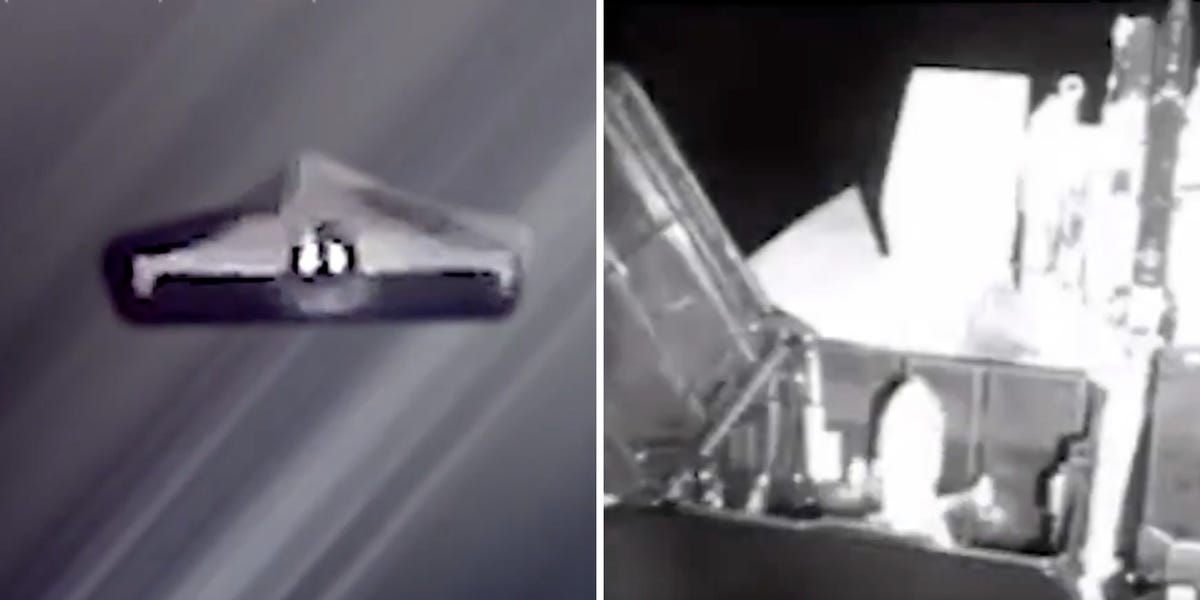
Ukraine has successfully deployed a combined drone strategy in the Black Sea, utilizing an uncrewed surface vessel to launch an interceptor drone against a Russian Shahed unit. This tactical evolution, executed by the 412th Nemesis Brigade, marks a departure from traditional air defense reliance by moving intercept capabilities directly into contested maritime corridors. By pairing surface-based mobility with aerial interception, the operation demonstrates a new method for neutralizing loitering munitions before they reach coastal infrastructure.
Tactical Integration of Maritime and Aerial Assets
The shift toward integrated drone warfare creates a mobile, decentralized air defense layer that is difficult for fixed-position systems to track or counter. Traditional air defense relies on ground-based radar and missile batteries, which are often vulnerable to saturation attacks. By moving the interceptor platform to a surface vessel, the operator gains the ability to engage threats in open water, effectively pushing the defensive perimeter further away from critical land-based targets. This approach forces a reevaluation of how low-cost aerial threats are countered in maritime environments.
This development highlights the increasing reliance on autonomous systems to solve complex defensive gaps in stock market analysis. As military technology shifts toward these hybrid drone architectures, the demand for specialized sensors, propulsion systems, and communication modules is likely to intensify. Companies operating in the defense and semiconductor sectors, such as those tracked on our ON stock page, are increasingly central to the supply chains supporting these autonomous platforms.
Sector Read-Through and Defense Economics
The success of this dual-drone operation underscores the broader trend of asymmetric warfare, where lower-cost autonomous systems can neutralize significantly more expensive assets. This dynamic puts pressure on defense contractors to accelerate the development of counter-drone technologies that are both cost-effective and scalable. The integration of maritime and aerial drones suggests that future defense procurement will prioritize modular systems capable of multi-domain operations.
AlphaScala data currently reflects varying sentiment across the industrial and technology landscape, with T stock page holding a Moderate Alpha Score of 58/100, while A stock page maintains a Moderate Alpha Score of 55/100. These scores reflect the broader market's cautious assessment of companies navigating the intersection of traditional infrastructure and emerging high-tech defense requirements. The ability of firms to pivot toward these specialized autonomous applications will remain a primary driver of long-term valuation in the defense sector.
The Next Operational Marker
The next phase of this tactical evolution will be defined by the scalability of these launches. The primary challenge remains the coordination of surface-to-air drone handoffs under active combat conditions. Observers should monitor future reports for evidence of standardized deployment protocols, which would indicate that this is a repeatable strategy rather than a singular field experiment. The transition from experimental success to fleet-wide integration will serve as the next indicator of how these hybrid systems impact the broader defense industrial base and regional security dynamics.