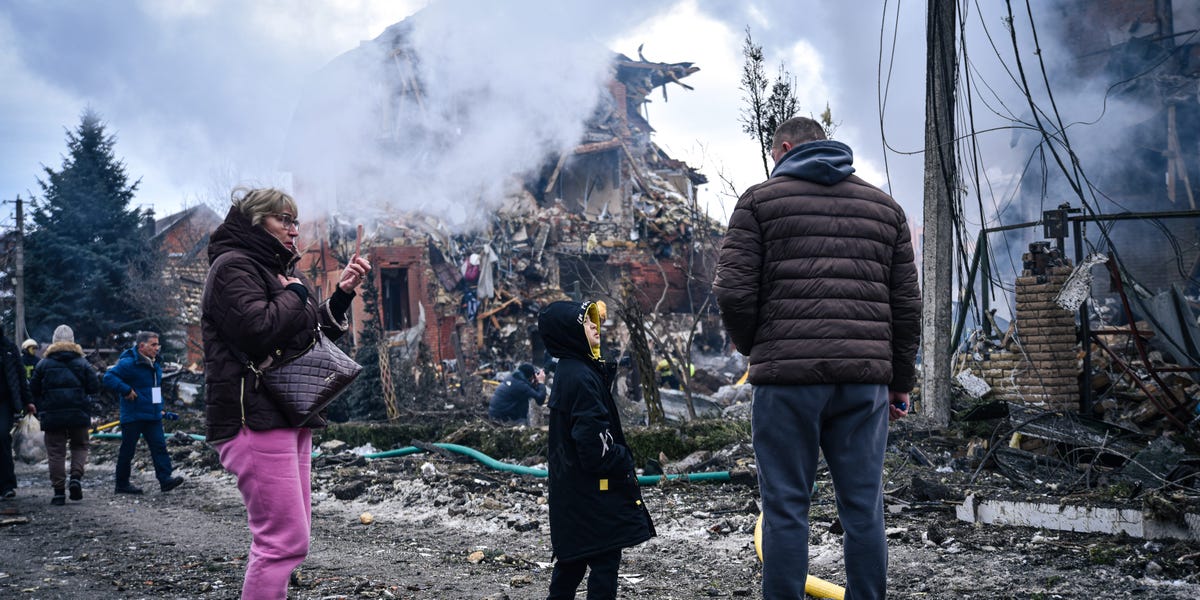
US special ops veterans train Ukrainian civilians in emergency trauma care. The program signals a prolonged conflict, extending demand for defense medical gear and aid budgets.
US special ops veterans are teaching Ukrainian civilians emergency trauma care. The training prepares regular people to stabilize wounds and control bleeding when medics cannot reach them. The conflict has been described as “just so blatantly civilian.” That detail is not merely humanitarian. It signals a war expected to continue at high intensity, with sustained civilian exposure. For defense investors, the training program becomes a leading indicator for procurement cycles and aid budgets.
The program trains non-soldiers in combat first aid. It assumes that casualties will keep occurring and that professional medical response will remain stretched. This is not a short-term course. It implies that the conflict’s duration and civilian footprint will stay elevated for months or longer. When a war requires civilians to perform battlefield medicine, the demand for tactical medical kits, tourniquets, and portable supplies becomes a recurring line item. One-time shipments shift to replenishment orders. The US special ops veterans are essentially building a civilian trauma-response layer that government budgets will need to equip.
The training program points to extended procurement for defense contractors that supply medical gear. Tactical medical kits and hemostatic dressings are consumables. Every training session and every new civilian trained creates potential inventory demand. The pattern across prolonged conflicts is that initial stockpiles deplete, then replenishment orders arrive, then new specifications emerge. The civilian training statistic suggests phase two is underway. Bid activity for US military medical contracts should increase as the Pentagon and allies restock. Private military contracting firms that run advisory and training missions also stand to benefit. These firms often receive funding through foreign military financing programs. If the training expands, contracting firms with training expertise may see multi-year revenue streams.
The Fiscal 2026 defense budget debate in early spring will include testimony on Ukraine’s humanitarian costs. Lawmakers who support continued aid will cite the civilian training program as evidence that the conflict remains lethal. Investors should watch for supplemental funding requests that include line items for trauma training equipment. A new aid package with such a line item would confirm the demand thesis. A shift toward de-escalation or a freeze in aid would weaken the case. For now, the training program is a concrete indicator that the war’s civilian footprint is growing and that the US response will extend beyond weapons shipments. Defense investors should treat this as a signal for demand duration, not just demand level. For broader context on geopolitical catalysts, see our stock market analysis.
Prepared with AlphaScala research tooling and grounded in primary market data: live prices, fundamentals, SEC filings, hedge-fund holdings, and insider activity. Each story is checked against AlphaScala publishing rules before release. Educational coverage, not personalized advice.