Stocks● Neutral
Glyphosate Fight: Singh-Watson Puts UK Farmers on Notice
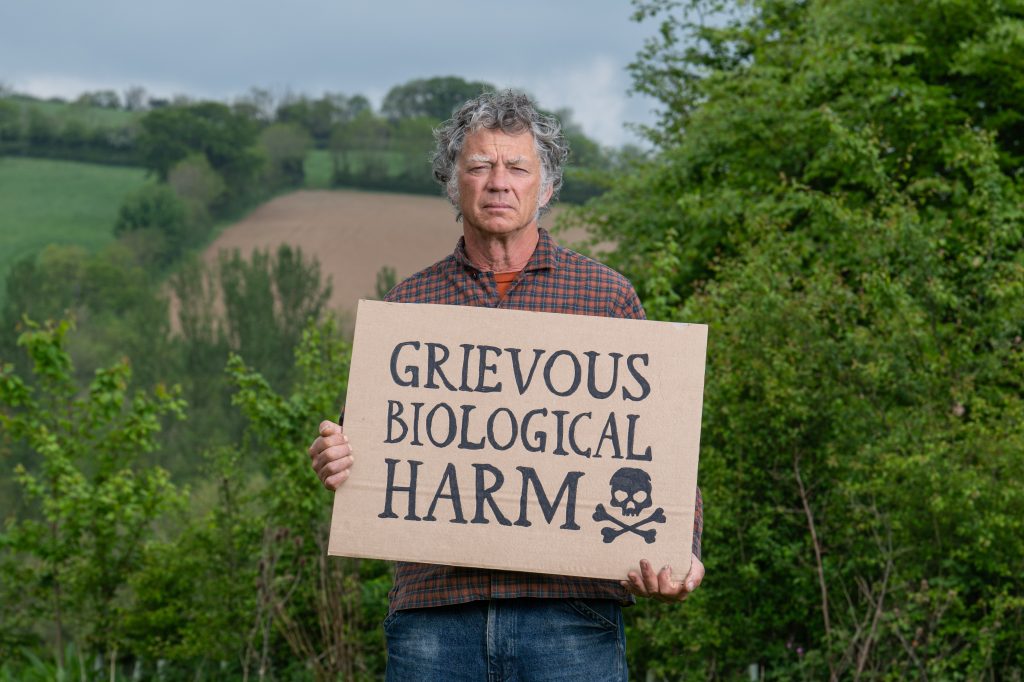
Organic founder calls glyphosate "poison in plain sight". UK farmers face regulatory risk as HSE review looms in 2026. Watch Defra subsidy signals for portfolio impact.
Continue with
An organic food company founder has escalated the glyphosate debate in the UK. Singh-Watson, whose business operates in the organic sector, called for tighter restrictions on the weedkiller, describing it as "poison in plain sight" and arguing that British farmers have become too reliant on farm chemicals. The interview positions glyphosate as a systemic risk embedded in the food system, not merely a farm input choice.
For investors tracking UK agriculture, the statement is one data point in a longer regulatory story. The simple read: an organic advocate wants a ban. The better market read: the UK’s post-Brexit regulatory autonomy lets the government set its own pesticide policy, and the Health and Safety Executive (HSE) is currently reviewing glyphosate approval with a decision due in 2026. That timeline turns advocacy into a real, if gradual, regulatory risk.
Singh-Watson’s Glyphosate Critique
The founder’s argument focuses on human and environmental dangers. Singh-Watson claims glyphosate use has become pervasive across conventional farming, making the UK food system dependent on a chemical that faces ongoing legal and scientific scrutiny elsewhere. The European Union has already restricted glyphosate use in public spaces and non-agricultural areas. The UK could follow a similar or stricter path.
Three factors shape the investment angle here:
- Regulatory timeline: The HSE review in 2026 is the first hard deadline. A ban or significant restriction would disrupt supply chains for Bayer (the primary glyphosate producer) and raise input costs for conventional grain and oilseed farmers.
- Consumer pressure: Demand for organic products in the UK has grown steadily. Retailers such as Waitrose and M&S have expanded organic lines, giving the regulator political cover to tighten rules.
- Supply transition lag: Organic certification requires a three-year conversion period for land. Even if a policy shift comes in 2026, supply cannot respond quickly. That lag points to margin pressure for conventional farmers and a pricing tailwind for existing organic operators.