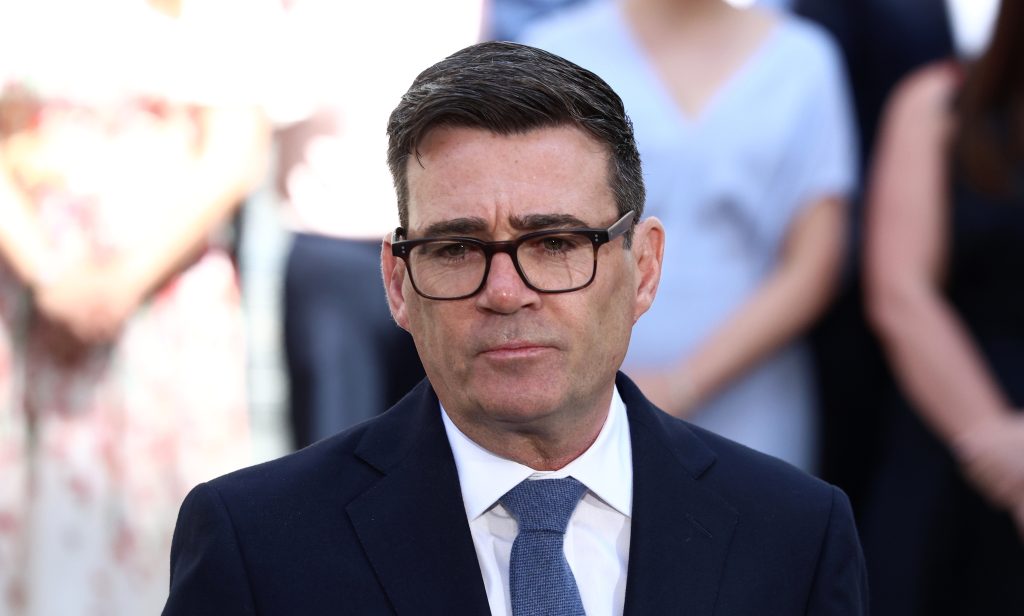
Andy Burnham has been prime minister for 24 days. In that time his government has announced a clampdown on fake discounts, accelerated subscription-cancellation rules, and a 20% cut in business rates for pubs and grassroots music venues. The policies land unevenly across retail, and the compliance timelines are tightening.
The discount rules, announced August 9 as part of a cost-of-living package, target artificially inflated sale prices, misleading was prices, and deceptive recommended retail prices. The government says it will consult on the specific practices in autumn 2026, then bring forward secondary legislation. An implementation date has not been set.
Retailers with large promotional calendars face the biggest headache. Grocers, fashion chains, and general-merchandise sellers all rely on seasonal sales cycles where pricing systems, advertising, and supplier-funded promotions have to align. A change to was pricing would force those workflows to adjust. The government estimated the entire package could save consumers around £400 million a year.
Talon.One senior director Sam Panzer welcomed the principle but questioned enforcement. The worst offenders, Panzer said, are not household names. They are dropshippers and marketplace sellers with little UK presence who are the hardest to catch.
Burnham also pulled forward subscription cancellation rules to January 2027, from a spring 2027 timetable set by the previous government. The legislation, first announced in April, requires clearer sign-up information, reminders before trials end and automatic renewals hit, and a straightforward online exit route where the customer signed up online. Consumers will get a 14-day cooling-off period after a discounted trial ends or a 12-month contract auto-renews.
The government estimates there are 155 million active subscriptions in the UK, with nearly 10 million unwanted. The average unwanted subscription costs around £14 a month, or £170 a year. Total consumer savings from the reform were pegged near £400 million annually.
Katrina Anderson, a partner at law firm Mills & Reeve, said the date has moved three times already – spring 2026, autumn 2026, then spring 2027. This is the first time it has shifted the other way. Businesses using recurring payments should review their sign-up flows, notification systems, terms, and staff training now, Anderson said. DMA CEO Rachel Aldighieri welcomed clearer rules, adding that consumers need to know what they are signing up for, what they will pay, and how they can cancel.
The business rates cut targets pubs, social clubs, and grassroots live music venues in England. The 20% reduction takes effect in April 2027, the start of the 2027-28 financial year. The government said 32,000 venues would qualify, with a typical saving of £1,100 a year. The largest live music venues will not qualify; the threshold will be set at the Budget.
The cut was funded by reviewing relief for businesses the government described as not making a positive contribution to local communities, such as vape shops. An earlier proposal to fund the cut by raising rates on large warehouses ran into arithmetic. The Financial Times reported that around 1,900 large warehouses already pay the top multiplier, with only 129 operated by online-only retailers. Even doubling the top rate would not cover a 20% cut, the FT found.
Woods Foodservice managing director Darren Labbett called the reduction relief, not rejuvenation. Employment costs, food inflation, and energy bills remain pressures.
The government is consulting on extending VAT liability to online marketplaces, making platforms responsible for preventing seller avoidance. The proposal covers domestic sales of goods such as retail products and takeaway food. HMRC estimates tens of thousands of UK businesses trading through marketplaces may not meet VAT obligations, with the gap potentially worth hundreds of millions of pounds. The consultation launched June 23, a policy inherited by Burnham. No implementation date has been set.
On August 12, during a heatwave with wildfire risk, Burnham urged retailers to stop selling disposable barbecues. The government is considering further action but has not announced a ban. The NFU wrote to Burnham on his first day as PM urging food security to be treated as critical national infrastructure, alongside energy and defence.
Single bus fares in England will be capped at £2 from January 1, 2027, restoring a policy used previously to cut transport costs. The fare applies outside London, where Transport for London sets its own prices. The existing £3 cap runs through the end of 2026.
Burnham has also criticised the growth of remote job interviews, saying young people struggle to show personality through Zoom. He raised the issue in late July but proposed no ban or timetable. Charles Hipps, founder of recruitment software firm Oleeo, challenged the idea that moving away from AI screening would make hiring fairer. Recruiters made quick decisions long before AI existed, Hipps said. Manual screening does not automatically make the process more considered.