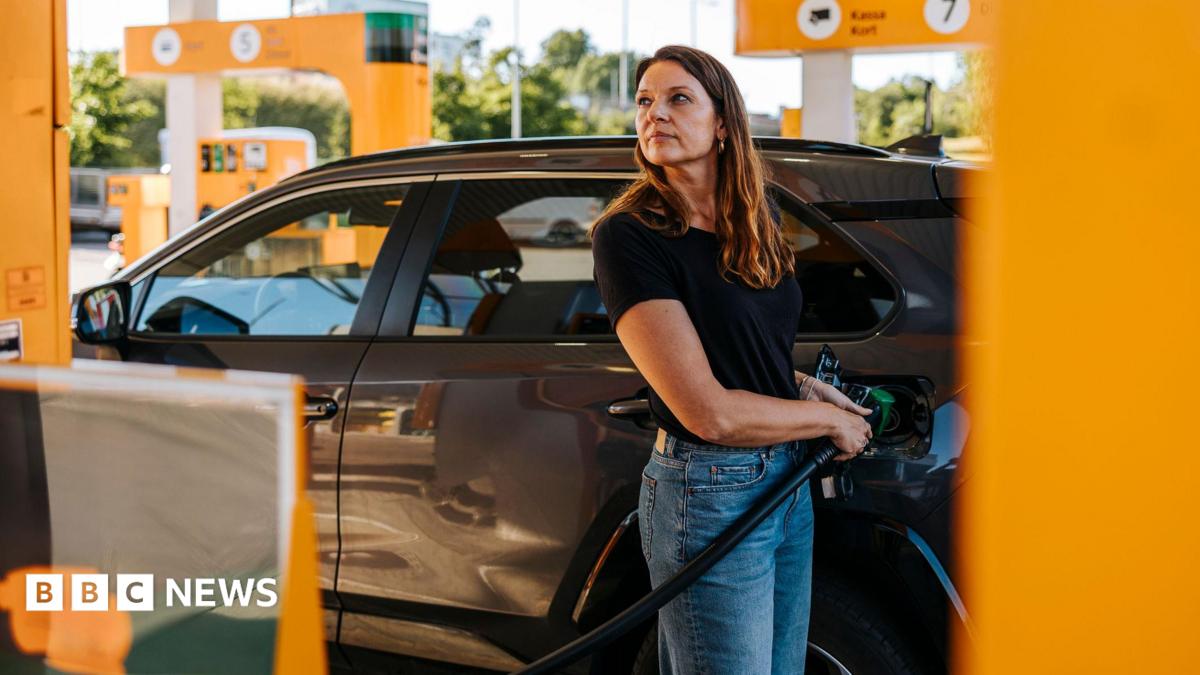
Petrol fell 2p to 151.98p a litre after the US-Iran deal. RAC says cuts should be faster, especially diesel at 168.64p. Next catalyst: Strait of Hormuz reopening timeline.
Alpha Score of 66 reflects moderate overall profile with moderate momentum, moderate value, strong quality, moderate sentiment.
UK motorists are seeing cheaper fuel after the US and Iran reached a framework deal to end their war. Since the agreement on 26 June, Brent crude has fallen below its pre-conflict level of $72.48 a barrel. The price touched $70 before settling near $76.
The pass-through to the pump is underway. RAC data shows petrol averaged 151.98p a litre on Friday 26 June, down 2p in a week. Diesel dropped 4p to 168.64p. That brings the cost of filling a 55-litre family car to £83.59 for petrol and £92.75 for diesel – still £10.50 and £14.40 more than before the war started on 28 February.
Simon Williams, the RAC's head of policy, said the reductions should be faster. 'Drivers really ought to see average prices of below 150p for unleaded and below 160p for diesel in the next week or so,' he said in a statement.
Crude oil is the main input. Every $10 move in Brent shifts UK pump prices by roughly 7p a litre, analysts calculate. The wholesale-to-retail lag is about two weeks, which means the full impact of the latest oil drop has not yet reached forecourts.
The RAC noted that diesel's decline lagged petrol's, citing tighter wholesale margins. At the pump the spread between petrol and diesel stands at nearly 17p, reflecting that imbalance.
The deal ended active hostilities. Shipping through the Strait of Hormuz – which carries about 20% of global oil and LNG – has not returned to normal. Experts quoted in the source say a full reopening will take months. If the channel remains restricted, supply premiums could re-emerge, limiting further price drops.
Prime Minister Sir Keir Starmer postponed a planned 5p fuel duty increase from September to 31 December because of the conflict. No new date has been set for the increase.
Prepared with AlphaScala research tooling and grounded in primary market data: live prices, fundamentals, SEC filings, hedge-fund holdings, and insider activity. Each story is checked against AlphaScala publishing rules before release. Educational coverage, not personalized advice.