Stocks● Neutral
UK Exporters Face New EU Pallet Rules: 40% Reuse by 2030
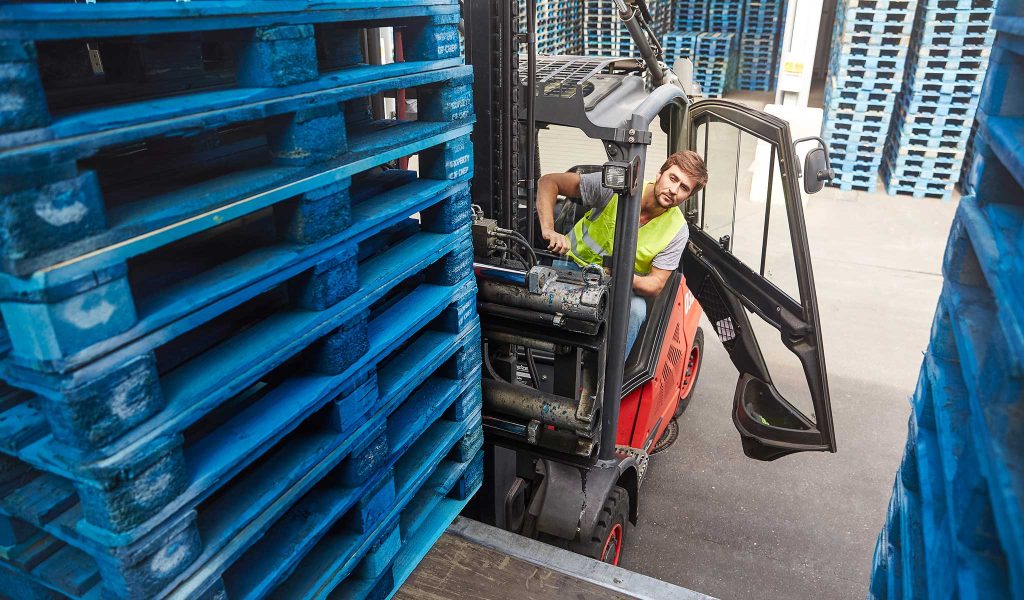
CHEP warns UK exporters must audit pallet tracking, recovery, and data systems before 2030 to comply with EU PPWR reuse targets, or risk supply chain disruptions.
Continue with
British exporters sending goods into the European Union will face a 40% reuse mandate for transport packaging from January 2030, under the EU's Packaging and Packaging Waste Regulation. Pallet pooling company CHEP has warned that the requirement creates a compliance risk for UK businesses that lack visibility over where their pallets, boxes and containers travel after crossing the border.
The PPWR entered into force in February 2025 and applies generally from August 2026. The reuse targets for specified transport packaging – including pallets, boxes, trays and plastic crates – are among the later milestones. Stricter rules apply to packaging moving between sites owned by the same company or linked businesses, and to certain deliveries within a single EU member state. Those movements must use a registered reuse system from 2030.
European Commission guidance softens the obligation for goods imported from outside the EU, including the UK. The reuse target attaches only after the goods are placed on the EU market and subsequently move through the internal supply chain. If the first EU warehouse is also the shipment's final destination, businesses are not required to unpack and repack the consignment solely to meet the reuse target, the guidance states.
CHEP commercial director Katie Ingham said the regulation puts transport packaging "firmly in the spotlight." For British exporters, pallets and containers can no longer be treated as a low-profile operational issue, she said. "Businesses will need to show how those assets move through a genuine reuse system," Ingham said. "The challenge is that once packaging moves across different sites, partners and markets, visibility can easily be lost."