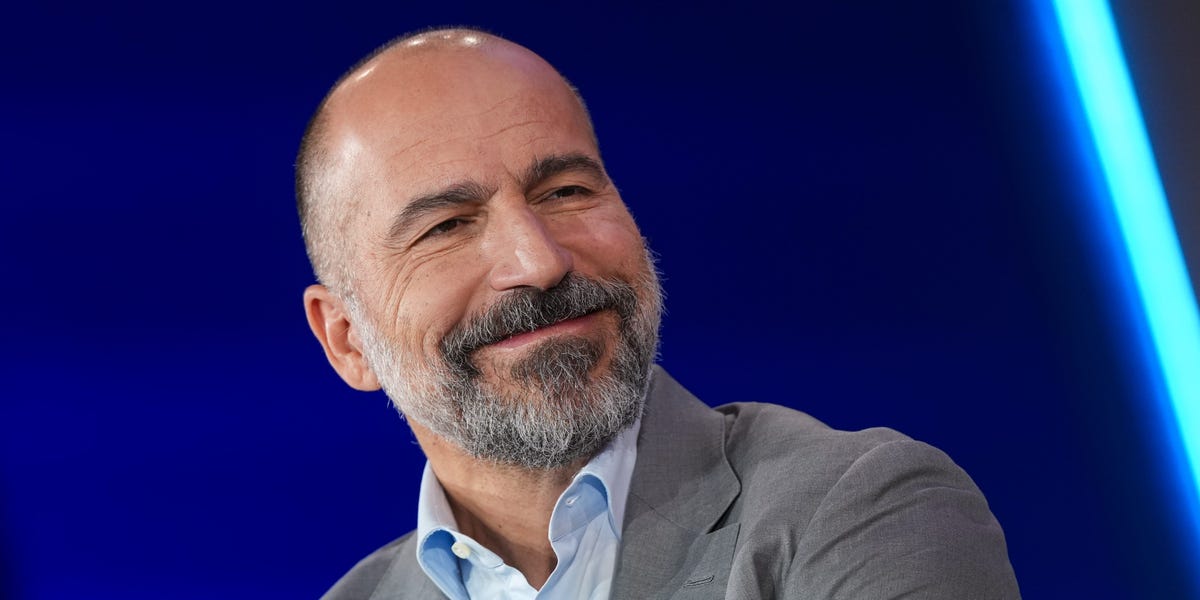
Uber CEO Dara Khosrowshahi disclosed his rider rating has climbed to 4.83, an improvement from the last time he shared the number publicly. The figure itself is a curiosity, but the real signal is what it says about the rating system that governs driver-passenger matching across Uber's global network.
A CEO's personal score is not a financial metric. Yet the fact that even the company's top executive cannot hit a perfect 5.0 – and that he tracks the number closely enough to cite it – reveals how deeply the two-way rating mechanism is embedded in Uber's platform. For traders, the disclosure is a reminder that user behavior on the app, not just ride volume or take rate, shapes the marketplace's equilibrium.
The Rating Flywheel and Why 4.83 Matters
The naive read is that this is a lighthearted anecdote. The better market read is that the rating system is a real-time trust signal that allocates supply and demand. Drivers with low ratings get fewer trip requests or are deactivated; passengers with low ratings face longer wait times or cancellations. The system is designed to enforce quality without Uber having to employ drivers directly.
Khosrowshahi's 4.83 sits above the typical passenger average but below perfection. That gap is structural: a single low rating from a driver who had a bad experience can drag a score down, and the algorithm does not round up. For the marketplace, this means the rating distribution is a constant source of friction. A passenger who feels unfairly rated may reduce usage. A driver who sees their rating dip may switch to a competitor. The CEO's own score, improving but not flawless, mirrors the platform's ongoing challenge: balancing strict quality control with user retention.
UBER's Mixed Alpha Score and the Sentiment Setup
Uber's stock carries an AlphaScala Alpha Score of 51, labeled Mixed. That score reflects a tug-of-war between strong gross bookings growth and persistent questions about eventual profitability normalization, regulatory risk, and driver classification costs. The rating system sits at the intersection of those debates. If Uber can demonstrate that its reputation mechanism reduces customer acquisition cost or lowers churn, it strengthens the moat narrative. If the system instead creates user resentment – as occasional viral complaints about unfair deactivations suggest – it becomes a liability.
The CEO's improved rating could be interpreted as a sign that the system is becoming more forgiving, or that Khosrowshahi is simply riding more often and behaving better. Neither interpretation moves earnings per share. But the fact that the company's leader uses his own score as a talking point indicates that management views the rating flywheel as a core asset, not a side feature. That matters when evaluating Uber's ability to sustain pricing power without alienating either side of the marketplace.
What the Rating Reveal Changes Next
The immediate catalyst is noise. The follow-through catalyst is whether Uber begins to disclose aggregate rating trends or ties them to engagement metrics on earnings calls. If the company starts treating average rider rating as a key performance indicator, it would signal that the trust layer is being formalized as a competitive advantage. Conversely, any regulatory push to make rating algorithms more transparent could force changes that weaken the system's disciplinary effect.
For now, the 4.83 figure is a single data point. It does not alter Uber's revenue trajectory or its path to GAAP profitability. But it does put the rating mechanism back in focus at a time when the stock's mixed Alpha Score suggests the market is undecided about the durability of Uber's platform model. The next concrete marker is the Q2 earnings call, where any commentary on driver supply, rider frequency, or product changes tied to the rating system will show whether this anecdote was just a CEO's humble brag or a preview of a deeper strategic emphasis.