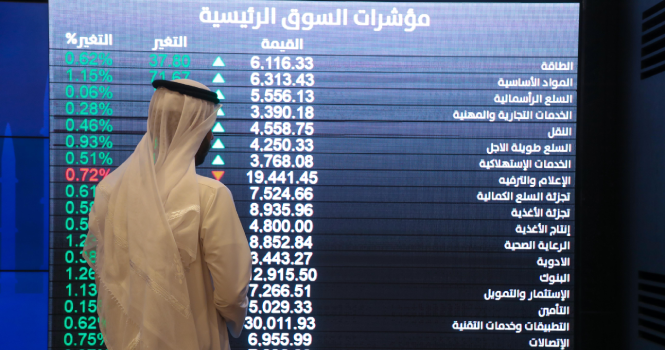
Al Moammar Information Systems and Al Yamamah Steel reached 52-week highs on TASI today, signaling momentum in IT services and steel. The move puts breakout traders on alert for follow-through or a failed-breakdown reversal.
Al Moammar Information Systems (MIS) and Al Yamamah Steel Industries Co. both printed fresh 52-week highs on the Saudi Exchange (TASI) today, May 10. The simultaneous breakouts put two very different sectors–IT services and steel fabrication–on the same momentum radar, forcing traders to ask whether the moves are driven by stock-specific catalysts or a broader TASI bid.
A 52-week high is not just a psychological marker. It removes overhead supply, meaning every shareholder who bought in the last year is now sitting on a gain. That can reduce selling pressure in the short term and attract breakout-chasing flows, but it also raises the bar for follow-through. Without a clear fundamental catalyst, the next few sessions will test whether these prints represent genuine accumulation or just a liquidity sweep.
MIS operates in Saudi Arabia’s IT services space, a sector that has benefited from government digital-transformation spending tied to Vision 2030. The stock’s 52-week high suggests the market is pricing in continued contract wins or margin improvement, but no specific announcement accompanied today’s move. That absence of news is itself a signal: either the move is driven by quiet institutional accumulation, or it is a momentum trade that could reverse quickly if volume fails to confirm.
For traders, the key question is whether MIS can hold above the prior high. A close back below that level within a few days would turn the breakout into a failed move, often triggering a sharp unwinding. Conversely, a consolidation above the breakout point with above-average volume would strengthen the case for a sustained trend. Without earnings or a major contract disclosure on the immediate horizon, the stock’s own price action becomes the primary data point.
Al Yamamah Steel’s 52-week high lands against a backdrop of rising steel demand tied to Saudi Arabia’s giga-projects. The company produces structural steel, pipes, and poles, making it a direct play on construction activity. While no new project award was announced today, the stock’s strength may reflect market expectations of upcoming contract wins or a favorable pricing environment.
Steel stocks are cyclical, and a 52-week high in this sector often coincides with rising raw-material costs or supply constraints that support product pricing. However, traders should note that steel names can be prone to sharp reversals if input costs spike faster than selling prices. The breakout is a statement of confidence, but it needs to be monitored against global steel price trends and any updates on Saudi project timelines.
Two stocks from unrelated sectors hitting 52-week highs on the same day can indicate a rising tide lifting many boats. The TASI has been supported by elevated oil prices and a strong domestic spending pipeline, but index-level strength does not guarantee individual stock follow-through. Traders should watch whether other TASI names begin printing new highs in the coming sessions, which would confirm a broader momentum shift, or whether these two remain isolated cases.
A related contrast is the recent plunge in Budget Saudi and Care to 52-week lows, showing that TASI’s strength is not uniform. That divergence reinforces the need to treat each breakout on its own technical and fundamental merits rather than as a blanket buy signal.
The immediate test for both MIS and Al Yamamah Steel is whether they can hold above their breakout levels through the next two to three sessions. A high-volume close above the 52-week high would attract momentum traders and could set off a cascade of stop-buy orders. A failure to hold, especially on light volume, would suggest the move was a head-fake. For those tracking these names, the next concrete marker is any company-specific news–earnings, contract awards, or guidance updates–that either validates or undermines the price action.
Drafted by the AlphaScala research model and grounded in primary market data – live prices, fundamentals, SEC filings, hedge-fund holdings, and insider activity. Each story is checked against AlphaScala publishing rules before release. Educational coverage, not personalized advice.