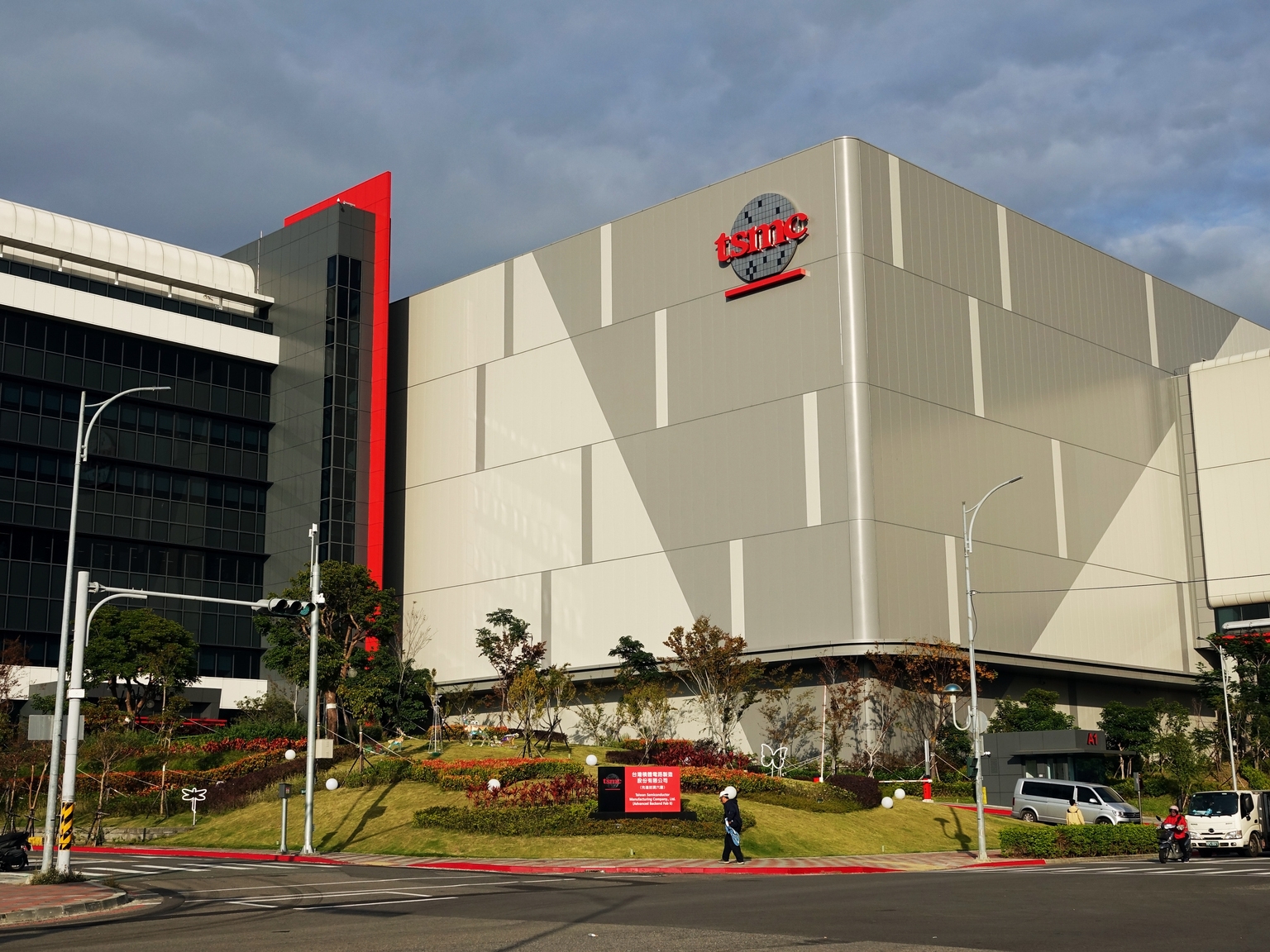
Taiwan Semiconductor (TSM) reported Q1 2026 revenue of $29.4 billion, exceeding consensus estimates by $1.1 billion. The foundry giant also posted a net income of $10.8 billion, representing a 36.7% net profit margin that continues to set the benchmark for the semiconductor manufacturing sector.
Operational Performance and Capacity
The company’s performance reflects sustained demand for high-performance computing and artificial intelligence infrastructure. Capacity utilization rates for advanced nodes, specifically 3nm and 5nm, remain near peak levels as global hyperscalers continue to secure production slots. Capital expenditure for the quarter hit $7.2 billion, signaling that management remains committed to aggressive capacity expansion despite the softening of consumer electronics demand in other segments.
"Our leadership in advanced process technology remains the primary driver of our revenue growth, as demand for data center and AI-related silicon continues to outpace broader market softening," said TSM management.
| Metric | Q1 2026 Result | Year-over-Year Change |
|---|
| Revenue | $29.4B | +22% |
| Net Income | $10.8B | +18% |
| Gross Margin | 54.2% | +120 bps |
Market Context and Valuation
While operating results are clearly superior, the market reaction is tempered by a valuation that reflects perfection. TSM currently trades at a forward P/E multiple that sits at the high end of its five-year range. Traders should note that while the company is the primary foundry for NVIDIA (NVDA), a significant portion of the growth narrative is already priced into the stock. The disconnect between record-breaking fundamentals and stock price movement suggests that the market is beginning to prioritize margin sustainability over top-line growth.
Implications for Traders
- Correlation Risks: TSM serves as a bellwether for the entire semiconductor supply chain. If TSM encounters supply chain bottlenecks or yield issues, expect immediate downside volatility in downstream equipment providers and design firms.
- Valuation Compression: With the stock trading at a premium, any minor guidance revision in the upcoming quarters could trigger a sharp correction. Look for divergence between technical price action and RSI levels to identify potential entry points for a long-term position.
- Sector Rotation: Increased focus on TSM’s capital expenditure might signal a shift in liquidity away from smaller cap chip plays as institutional investors consolidate holdings in the proven market leader.
What to Watch
Watch for commentary on the 2nm ramp-up schedule, as this will determine the company's ability to maintain its margin profile into 2027. Investors tracking broader stock market analysis should monitor the $200 psychological level, which has acted as resistance in recent sessions. Any sustained breakout above this level on heavy volume would invalidate the current neutral thesis, while a failure to hold support at $185 would likely invite further selling pressure.
The company remains a high-quality asset, but the current risk-reward profile suggests that investors should wait for a pullback rather than chasing a near-term breakout.