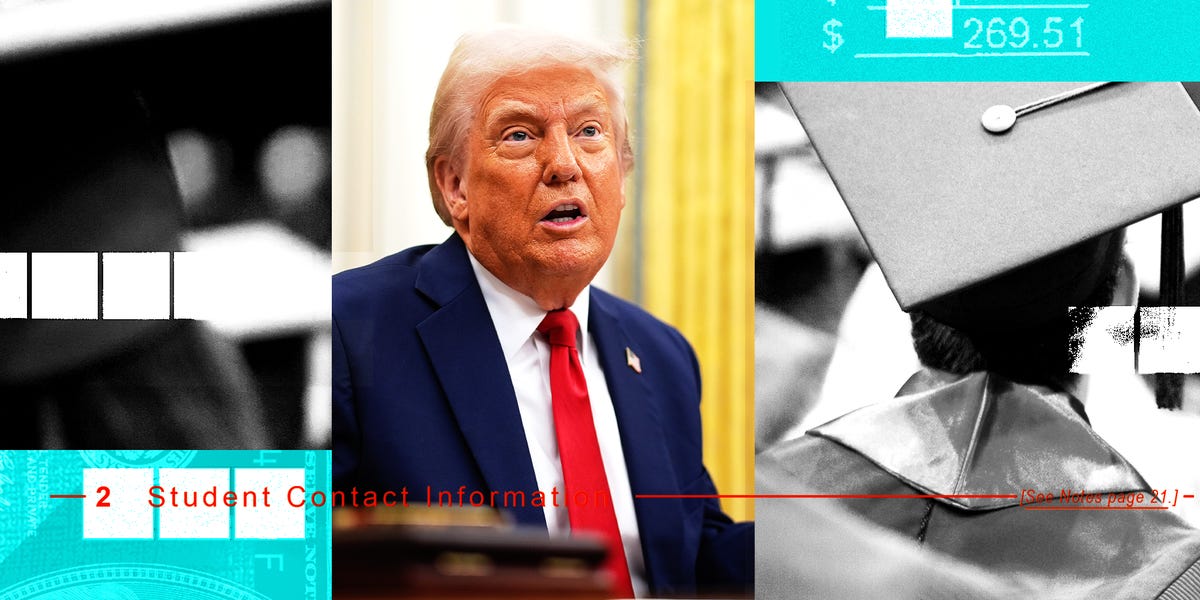
New repayment limits and tighter forgiveness rules take effect July 1. Borrowers face higher monthly payments, which could ripple through consumer spending and credit markets.
President Donald Trump's student-loan changes took effect July 1. For millions of borrowers, the immediate impact is a higher monthly bill.
The Department of Education rolled out new repayment plan options while tightening access to forgiveness programs like Public Service Loan Forgiveness. Borrowers who had been on income-driven plans may see their payments rise. The new rules cap how long interest can be subsidized, which means more of each payment goes to principal.
Higher loan payments leave less money for other spending. Consumer spending drives about two-thirds of U.S. economic activity. When households divert cash to the government, retailers and service providers feel the difference. Credit card balances already topped $1 trillion last year, according to Federal Reserve data. Delinquency rates have risen over the past year.
The changes also affect the student loan servicing industry. Companies that manage repayment plans face shifts in volume. The July retail sales report, due Aug. 15, will show whether the higher bills are showing up in spending patterns. The Education Department said it will release data on repayment plan enrollment in the coming weeks.
Prepared with AlphaScala editorial tooling from the source reporting linked above. Indexable analysis may include a cited Alpha Score value. Publishing checks screen each story before release. Educational coverage, not personalized advice.