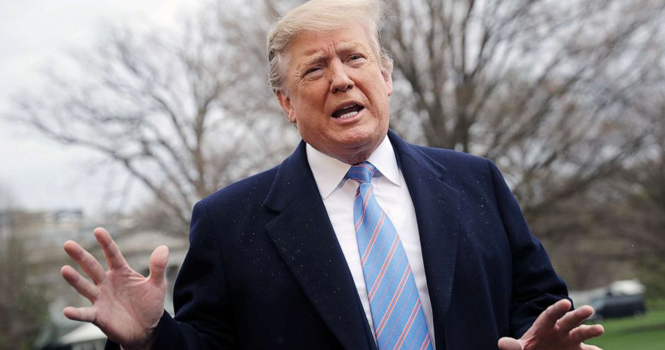
Donald Trump said in a post on his Truth Social platform on Monday that Iran is highly motivated to reach an agreement, adding that such a deal would be beneficial. The statement carries weight because it comes from the same president who withdrew from the 2015 nuclear accord in 2018 and reimposed sanctions on Tehran. A shift in tone, even through a social media post, changes the risk calculus for energy markets and geopolitical positioning.
The naive read is that Trump is softening his stance after years of maximum pressure. The better market read is that the statement signals a potential opening for formal negotiations, which could ultimately lift some sanctions on Iranian oil exports. Iran currently produces about 3.5 million barrels per day, with a significant share of that output going to China via gray-market channels. Any deal that legitimately reinstates export routes would add supply to a global market already absorbing OPEC+ cuts.
Oil Supply Risk and the Crude Price Premium
The first-order effect of a credible deal is a reduction in the geopolitical risk premium baked into crude prices. Brent crude has traded above $70 per barrel in part because of uncertainty around Iranian and Russian export volumes. A diplomatic breakthrough with Iran would reduce that premium, all else equal. The mechanism is straightforward: sanctions relief would allow Iran to ramp exports by 500,000 to 1 million barrels per day within months, pressuring prices.
Traders should watch the next signal from Washington – a formal invitation to negotiate or a sanctions waiver for a specific Iranian buyer. Absent that, Trump’s post remains a headline with no concrete mechanism. The follow-up catalyst is whether the U.S. Treasury issues a general license or a specific license allowing a non-Iranian entity to purchase crude. That would be the real tell.
Geopolitical Positioning and Regional Stability
The second read-through is to regional proxies and defense stocks. A U.S.-Iran deal lowers the probability of escalation in the Strait of Hormuz, where Iran has harassed commercial vessels. Shipping insurance rates for tanker transit through the strait could decline, directly benefiting firms like Frontline and Euronav that operate in the region. Conversely, defense contractors with exposure to Middle Eastern tensions – Lockheed Martin and RTX – could see a modest derating as the risk premium on the region contracts.
The post also shifts the narrative around the Gulf Cooperation Council states. Saudi Arabia and the UAE want stability to execute their Vision 2030 and 2031 economic plans. A U.S.-Iran deal reduces the chance of a Saudi-Iran proxy conflict spilling into the oil infrastructure. That is a tailwind for sovereign credit spreads in the region, though not immediately tradable in public equity markets.
Decision Point: The Next Leap
The single most important question for traders is whether this post is a trial balloon or a policy pivot. Trump has previously signaled openness to talks while maintaining sanctions. If the next step is a direct meeting between U.S. and Iranian officials, the oil risk premium will compress sharply. If the post is followed by no action or by further sanctions, the move fades.
Brent crude is the cleanest hedge for the scenario. A call spread on Brent that would profit if WTI drops below $65 in the next month could capture the dislocation from a genuine breakthrough. For equity traders, the logistics and tanker names offer a more identifiable catalyst: shipping rates respond faster than supply-demand balances.
For now, watch the State Department and OFAC announcements. One license change is worth a hundred social media posts.