Trump weighs strikes on Iran energy infrastructure to pressure Tehran. About 20% of world oil flows through Hormuz. Decision could land within days.
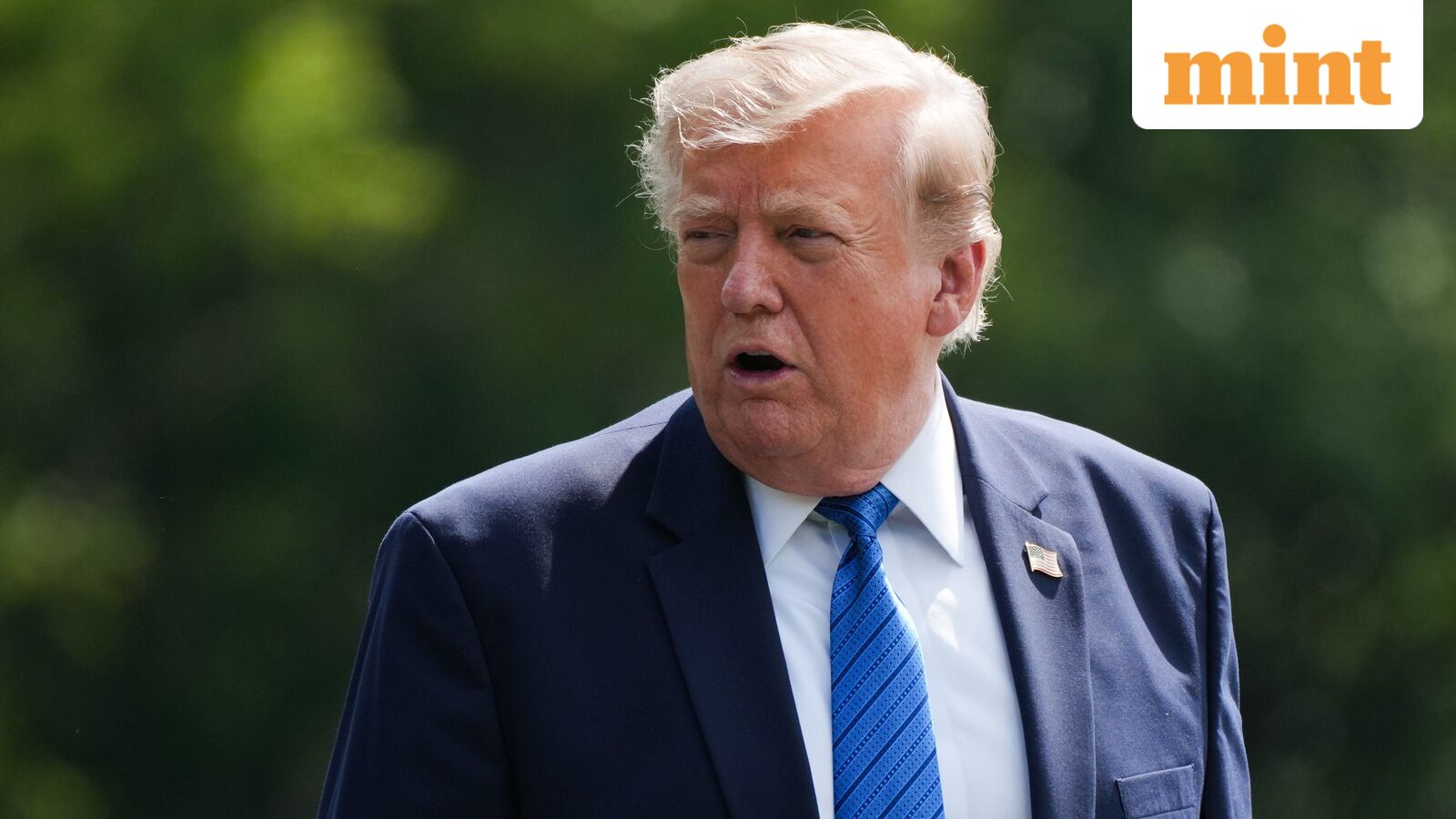
President Donald Trump is seriously considering authorising US strikes on Iran's energy infrastructure in the coming days, a US official told Axios. The strikes would pressure Tehran into accepting Washington's terms in ceasefire negotiations.
Trump signalled the military campaign was not finished during a Cabinet meeting at Camp David on Friday. "We just want to win," he told reporters, adding that the United States would hit Iran "very hard" until Tehran "can't take it anymore."
White House Press Secretary Karoline Leavitt accused Iran of violating last month's memorandum of understanding meant to support a ceasefire. Tehran attacked commercial shipping and killed American troops, she alleged.
"President Trump is not going to stand by and allow this terrorist behavior to occur," Leavitt said. "Iran will continue to pay until they come to the table in what President Trump deems a meaningful way."
Iran's Islamic Revolutionary Guard Corps asserted full control over the Strait of Hormuz, one of the world's most important oil shipping routes. Iranian state broadcaster IRIB quoted the IRGC as saying two oil tankers attempting to leave via what it described as an "unsafe route" south of the strait turned back after a severe fire broke out aboard one vessel.
"The Strait of Hormuz is our land, and the IRGC navy has full control over it," the statement said. The force warned that foreign powers would not be allowed to interfere in maritime movements. The waterway could not be reopened while the United States continued what Tehran called threats and interference, the IRGC added, and countries assisting Washington could face a "harsh response."
US CENTCOM rejected the assertion in a statement issued earlier this week. "The Strait of Hormuz is an international waterway. The IRGC has no authority to dictate routes for free and open traffic flow," CENTCOM said.
Merchant shipping continues to move through the strait under the protection of American forces in the region, the military said.
The confrontation has already spread beyond Iran. The latest exchanges follow fresh US strikes inside Iran earlier this week, launched after Washington accused Tehran of attacking American forces stationed in the Middle East.
A drone struck a US-owned gas storage tanker at Egypt's Damietta port, according to maritime security firm Ambrey. US and Saudi forces carried out joint strikes against Iran-aligned groups in Iraq. Iran launched missiles at US military bases in Jordan and confirmed attacks on ships transiting the strait.
Saudi Arabia falls within the scope of the IRGC's "harsh response" warning, since its forces joined the US strikes in Iraq.
Crude already pierced $100 a barrel after the earlier strikes hit Iranian targets from the Caspian to the Gulf. Energy infrastructure is a different kind of target. Refineries and export terminals are the revenue base for the Iranian government and the IRGC, so strikes there would cut at Tehran's ability to fund the conflict, traders said.
Hormuz concentrates the supply risk. Roughly 20 million barrels a day of crude and refined products move through the strait, about a fifth of global consumption, according to US Energy Information Administration data. A full closure would pull those barrels off the market overnight, pushing prices well past the current level, traders said.
Shipping costs are the second-order signal. A Hormuz closure forces crude carriers onto longer routes around the Arabian Peninsula, and freight rates tend to jump before spot prices do, traders said. Most of the Gulf's crude heads to Asian buyers, and a closure would force those importers into a bidding war for Atlantic Basin supply.
Last month's memorandum of understanding is the off-ramp. The White House says Iran already broke it by attacking shipping and killing American troops, so the agreement's survival depends on Tehran returning to negotiations, analysts said.
Traders said the IRGC's "harsh response" warning points to a wider front, one where attacks on Gulf shipping or on American bases in Jordan would draw more states into the conflict.
Axios cited the official as saying the window for a decision is the coming days. Leavitt, in her Friday statement, repeated the administration's position on the nuclear programme, warning that Iran "will not have a nuclear weapon" under Trump's watch.
Drafted by a large language model from the source reporting linked above, then screened by automated publishing checks. It is not read by a journalist before publication. Some articles cite our Alpha Score. Verify prices and figures against the original source. Educational coverage, not personalized advice.