(Bloomberg) – For decades, Batam was an Indonesian island that barely registered with global investors. Now, it’s gaining traction as an emerging manufacturing hub thanks to US President Donald Trump.
The US-China trade war, escalated under Trump’s second term, is pushing more companies including Chinese toy maker Dongguan Welson Plastic Hardware Products Co., which counts Walt Disney Co. and Crayola LLC as customers, to shift production to Batam, lured by the island’s young workforce, tax incentives and close proximity to Singapore, a shipping hub.
In July, Welson’s local unit, PT Welson Group Indonesia, opened its first factory outside of China. It will produce more than 30 novelty items for Disney theme park gift shops, including Cinderella pumpkin carriage popcorn holders and figurines of Olaf the snowman and Sulley from Pixar’s Monsters, Inc.
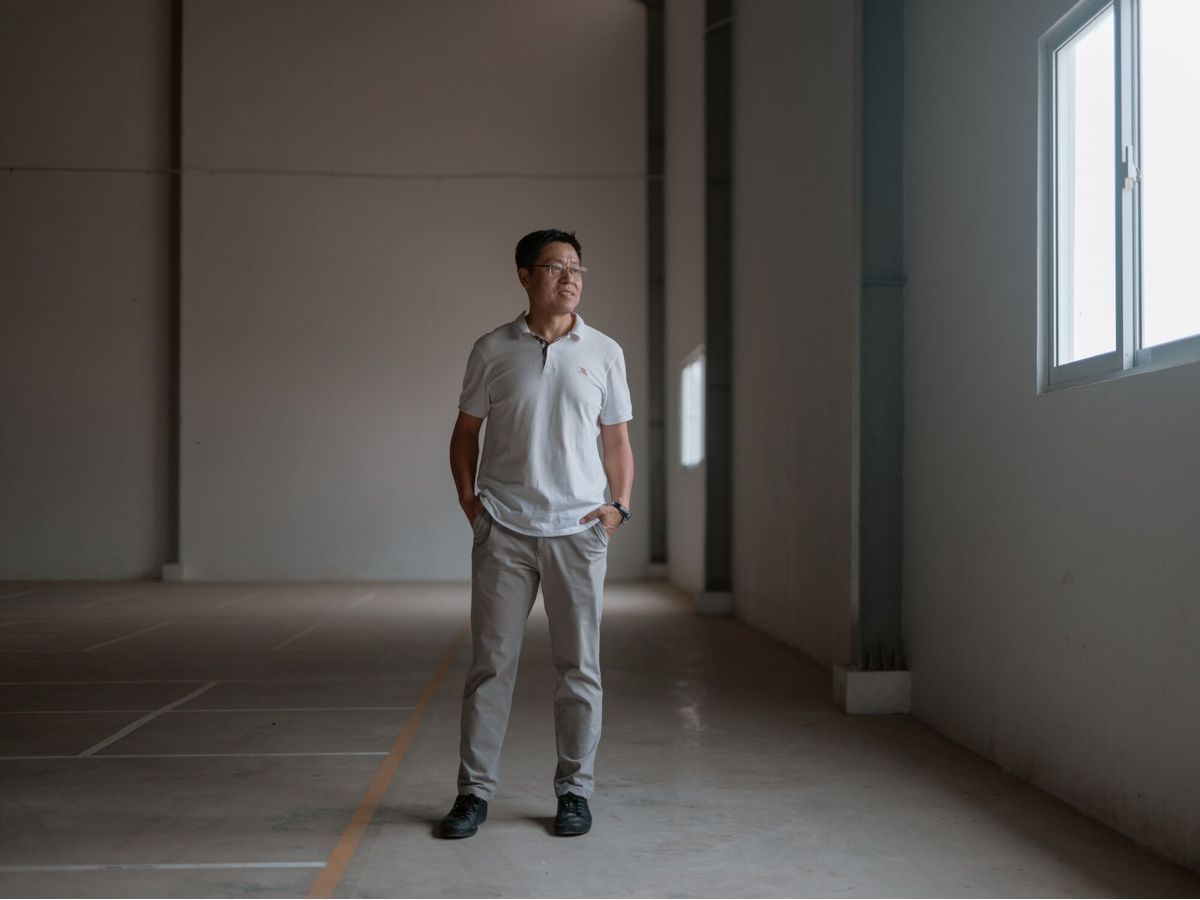
“We had no choice but to diversify,” Welson’s general manager Andy Yao said during a recent visit to Batam to check the factory’s final specifications. “If we stayed in China, we risked losing orders.” Trump’s Liberation Day tariffs in April last year triggered Welson’s search after customers demanded the company diversify its supply chain. Costs in China were also getting more expensive, Yao said.
Batam wasn’t Welson’s first choice. Yao had no knowledge of the island. He first surveyed Malaysia, Thailand, Cambodia and Vietnam before an acquaintance suggested Batam. Three months after his visit in July last year, Welson signed a lease.
The island ticked several boxes: it’s a 40-minute ferry ride from Singapore, making it easy to ship products and convenient for customers to travel to Batam for audits, and more than half its population is under 30, providing a deep labor pool at a time when much of Southeast Asia is grappling with shortages, Yao said. Welson will hire 300 workers to start and plans to raise that to 600 by the end of next year.
Batam’s free trade zone status was also key. It means companies enjoy raw materials and machinery imports that are exempt from tax and firms also pay zero export duty on finished goods. Since Trump’s first presidency in 2017, the island’s exports have more than doubled to some $19.6 billion as of 2025.
Outside of benefiting from the supply chain diversification that’s seen manufacturers expand beyond China into Southeast Asia, Batam’s rise is a bright spot for Indonesia more broadly. The region’s biggest economy is grappling with mounting fiscal strain, a weak domestic currency and corruption at President Prabowo Subianto’s flagship free meals program, among other challenges.
Although Batam is only about four times the size of Manhattan and has a population of slightly over 1.2 million, its economic growth has outpaced Indonesia’s since the pandemic, supported by exports, manufacturing and investment. As of 2025, Batam’s gross domestic product stood at 6.8% compared to the national expansion rate of 5.1%. In the first quarter, Batam’s economy expanded by 5.8%, slightly better than the whole country’s 5.6%.
For Disney, the shift carries supply-chain risk. The toy maker’s move to Batam ties a portion of its production to a region with lower wages but also exposes it to Indonesia’s regulatory and currency volatility. Disney’s Alpha Score of 50 reflects mixed fundamentals, with the stock trading near 52-week lows as the company navigates streaming losses and a weakening consumer. A prolonged trade war could accelerate more Disney suppliers out of China, reducing tariff exposure but adding logistical complexity.
Welson’s decision underscores how Trump’s tariff strategy is redrawing global factory maps. Yao said the company had no choice. “If we stayed in China, we risked losing orders.”