Back to Markets
Macro● Neutral

Trump Signals Intent to Oust Fed Chair Powell

April 15, 2026 at 12:27 PMBy AlphaScalaEditorial standardsSource: cnbc.com
Trump Signals Intent to Oust Fed Chair Powell
AONASSO

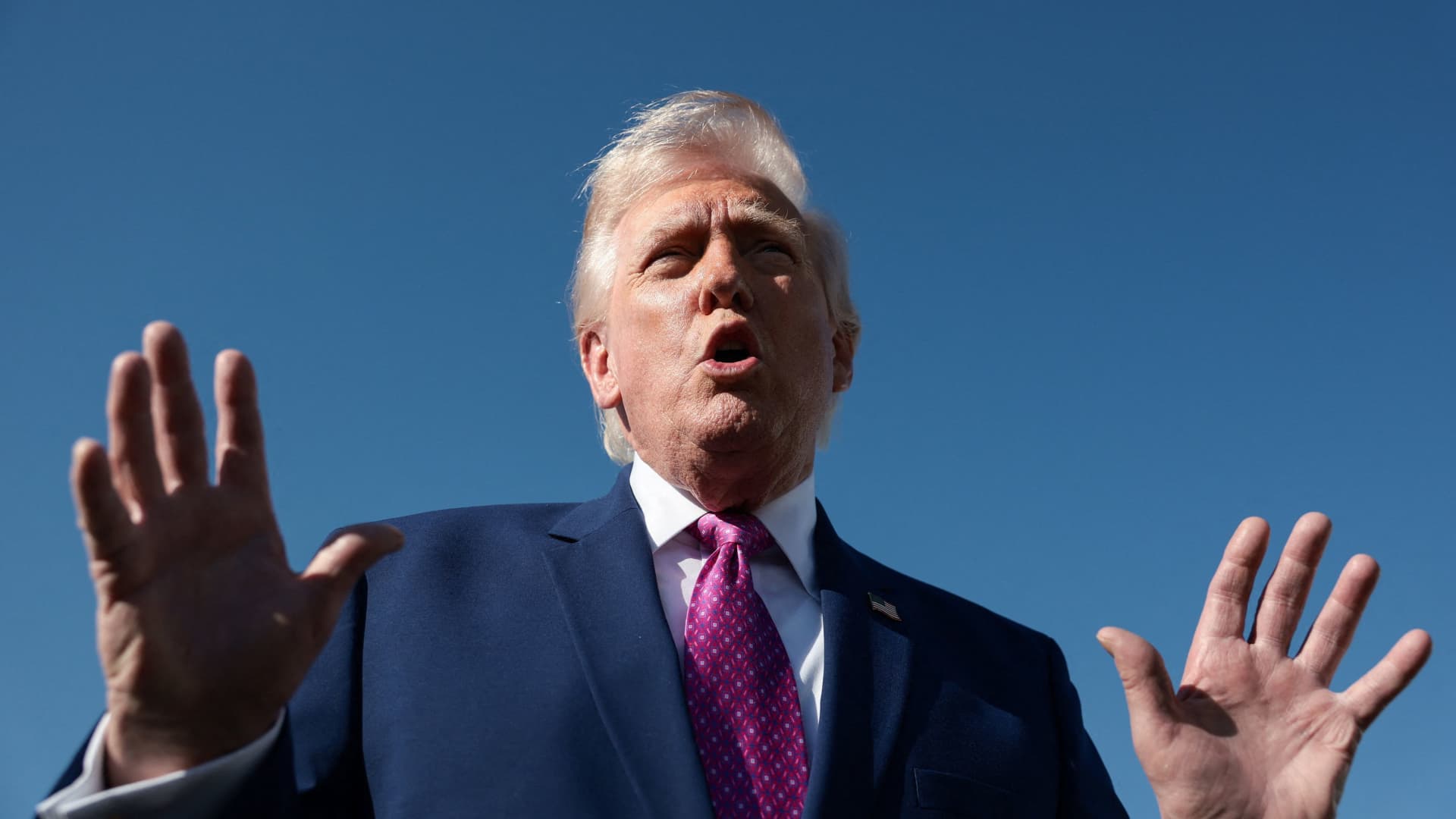
President-elect Donald Trump has threatened to fire Federal Reserve Chair Jerome Powell, setting the stage for a potential constitutional and market crisis regarding central bank independence.

AlphaScala Research Snapshot
Live stock context for companies directly referenced in this story
Alpha Score
55
Moderate

Alpha Score of 55 reflects moderate overall profile with moderate momentum, moderate value, moderate quality. Based on 3 of 4 signals — score is capped at 90 until remaining data ingests.

Alpha Score
45
Weak

Alpha Score of 45 reflects weak overall profile with strong momentum, poor value, poor quality, weak sentiment.

Consumer Cyclical
Alpha Score
47
Weak

Alpha Score of 47 reflects weak overall profile with moderate momentum, poor value, moderate quality. Based on 3 of 4 signals — score is capped at 90 until remaining data ingests.

Utilities
Alpha Score
47
Weak

Alpha Score of 47 reflects weak overall profile with moderate momentum, poor value, weak quality, moderate sentiment.

This panel uses AlphaScala-native stock data, separate from the source wire linked above.

President-elect Donald Trump has signaled his intent to remove Federal Reserve Chair Jerome Powell, stating he would fire the central bank head if he does not vacate the office voluntarily. While historical precedent suggests Fed chairs depart once their successors are named or their terms conclude, Powell has declined to confirm his plans, maintaining that he would not resign if asked to do so by the incoming administration.

The Legal and Political Friction

Removing a sitting Fed chair is legally precarious and would set off a constitutional firestorm. The Federal Reserve Act allows for the removal of a member of the Board of Governors only for cause, yet the statute is silent on whether the President possesses the authority to demote or terminate the Chair specifically. Market participants are already pricing in a potential clash between the White House and the Eccles Building, as any move to force Powell out would likely trigger significant volatility in the SPX and IXIC.

Historically, the independence of the Federal Reserve is a core pillar of U.S. monetary policy. A challenge to this autonomy would likely force an immediate repricing of risk across both equity and fixed-income markets. Traders should monitor the following areas for signs of institutional stress:

  • Treasury Yields: A perceived threat to Fed independence could lead to a spike in the 10-year yield as investors demand a higher risk premium.
  • USD Strength: The dollar often reacts sharply to political interference in central bank governance.
  • Market Volatility: Expect a widening of implied volatility spreads on major index options.

Implications for Interest Rate Policy

Powell’s current term runs through May 2026, creating a lengthy window for potential friction if the incoming administration pushes for a change in leadership. Markets currently operate on the assumption of a professional, data-driven path for interest rates. If the executive branch successfully exerts influence over the Fed, the traditional market-based approach to inflation targeting could be replaced by more populist monetary directives.

"Though most Fed chairs in the past have left after being replaced, Powell has demurred on what he plans to do."

Traders should continue to look for signals from the Federal Open Market Committee regarding their commitment to policy independence. Any hawkish or dovish shifts in rhetoric from board members in the coming weeks will likely serve as a proxy for the internal temperature at the Fed. For those tracking market analysis, the focus remains on whether the institutional guardrails of the central bank hold against executive overreach.

What to Watch

Keep an eye on the spread between short-term and long-term interest rates, as this will be the first place to reflect concerns about long-term monetary stability. If the administration begins to formalize a legal challenge to Powell’s tenure, look for sharp movements in the DXY index. Asset managers are likely to rotate toward safe-haven assets if the standoff escalates, potentially increasing demand for gold profile as a hedge against institutional uncertainty.

Institutional stability remains the primary variable for risk-on assets. If the threat of termination evolves into an active attempt to unseat the Chair, expect a sharp repricing of risk across all major indices.

How this story was producedLast reviewed Apr 15, 2026

AI-drafted from named sources and checked against AlphaScala publishing rules before release. Direct quotes must match source text, low-information tables are removed, and thinner or higher-risk stories can be held for manual review.

Editorial Policy·Report a correction·Risk Disclaimer