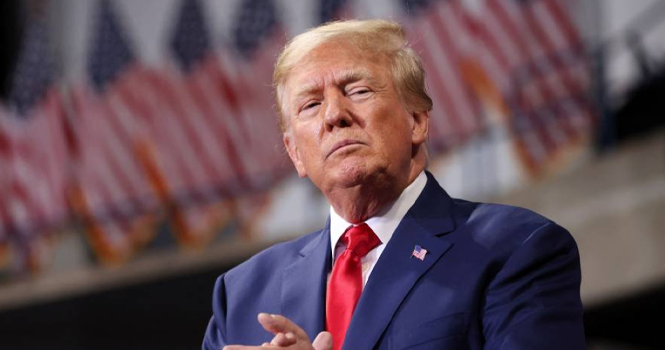
Donald Trump stated in a Fox News interview that the conflict with Iran is “close to over,” suggesting that he anticipates a resumption of peace talks. This prospective de-escalation marks a shift in the tone surrounding Middle Eastern security, which has been a primary driver of volatility in energy markets over the recent term.
Geopolitical Risk Premium and Energy Pricing
Markets have been pricing in a significant risk premium for months, primarily through the volatility of energy futures. Traders have closely monitored the potential for supply chain disruptions in the Strait of Hormuz, where any escalation typically triggers a flight to safety in assets like the gold profile. A resolution would likely force a rapid repricing of this premium, potentially leading to a sharp compression in energy spreads.
Investors should consider the following impacts if the conflict enters a de-escalation phase:
- Crude Oil (CL): A reduction in regional tension often leads to a sell-off as the 'war premium' is stripped from the front-month contract.
- Defense Equities: Companies heavily exposed to regional military spending may see a rotation of capital as budget priorities shift.
- Safe Haven Assets: Reduced geopolitical heat often correlates with a modest cooling in XAU/USD demand, as investors move back into higher-beta equity sectors.
The Market Mechanism of Peace Talks
When political rhetoric shifts toward “peace talks,” institutional desks look for confirmation in the form of diplomatic back-channels and reduced naval activity. Markets are inherently skeptical of verbal interventions, so price action will likely remain range-bound until there is tangible evidence of a ceasefire or formal engagement. Traders should look for stability in the crude oil profile as a primary indicator of whether this rhetoric is being priced as a durable event or a temporary headline.
Watchlist for Traders
The immediate reaction in the SPX and IXIC will likely be positive if energy costs stabilize, as lower input prices act as a tailwind for consumer discretionary margins. However, the macro picture remains tethered to central bank policy, meaning any relief rally in oil may be quickly eclipsed by interest rate expectations. Keep a close eye on the front-month WTI futures spread for signs of a structural shift in supply expectations.
"I see the war with Iran could end very soon, indicating that he expects peace talks to resume." — Donald Trump
Ultimately, the market will treat this as a headline trade until the structural supply narrative changes. Monitor the daily volume in energy-related ETFs to see if institutional flows are confirming the sentiment shift or merely hedging against further shocks.