Trump Secures US Control of 65 Billion Barrels of Venezuelan Oil
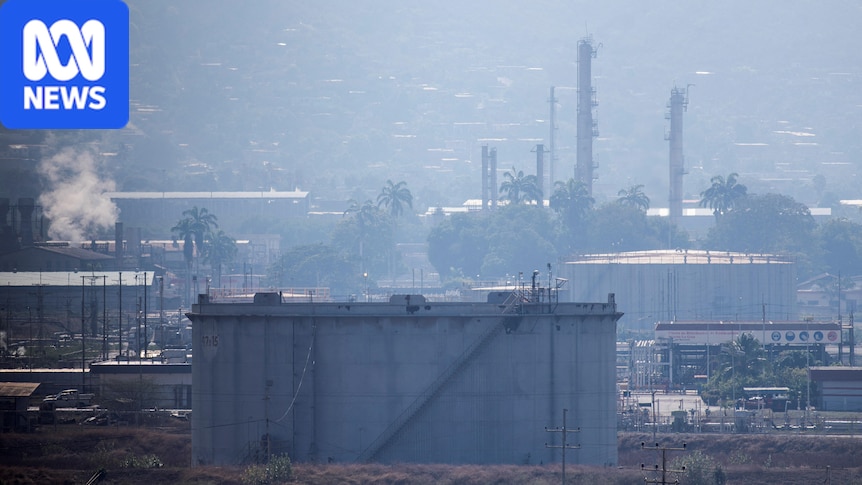
Trump says the US secured majority control of 65 billion barrels of Venezuela's proven oil reserves through a private partnership, with Marco Rubio promising $100 billion in investment and lower gas prices.
The United States has struck a deal with Venezuela to secure "majority US control" of more than 65 billion barrels of the country's proven oil reserves, President Donald Trump announced Friday on social media. The arrangement, which Trump called "the biggest oil deal in world history," was negotiated with Secretary of State Marco Rubio, Secretary of War Pete Hegseth, and Venezuela's interim President Delcy Rodriguez, through a partnership with private business, at no cost to US taxpayers.
Rubio said on X that the agreement would bring $100 billion in private investment into Venezuela and lead to lower US gas prices. The White House did not identify the private-sector partners. The Venezuelan government's press office did not respond to a request for comment.
The deal comes nearly nine months after US forces captured Venezuelan President Nicolás Maduro and brought him to the US to face federal narcoterrorism and drug trafficking charges. Days after Maduro's ouster, Trump gathered oil executives at the White House and urged them to return to Venezuela. ExxonMobil CEO Darren Woods said at the time he saw the country as "un-investable."
Rodriguez, in one of her early moves after taking power, signed a law opening Venezuela's oil sector to privatisation, reversing a bedrock tenet of the self-proclaimed socialist movement that had ruled for more than two decades. Venezuela holds an estimated 303 billion barrels of crude oil, about 17% of the world's supply, according to the US Energy Information Administration. But dilapidated infrastructure means the country produces only about 1% of global output.
Trump faces mounting pressure to address high US gas prices as the war against Iran reaches a six-month mark. The conflict has slowed Gulf oil moving through the Strait of Hormuz, which handled about 20% of the world's petroleum before the fighting. The average US gas price stood at $4.09 a gallon Friday, up from $3.21 a year earlier, according to the American Automobile Association.
The US has tapped its strategic petroleum reserves, which fell below 300 million barrels in early August, down more than 100 million barrels since the start of 2026.
Persuading major US oil companies to return to Venezuela could be difficult given the unrest and decades of badly damaged infrastructure. Exxon's Woods called the country "un-investable" after Maduro's fall. But Trump argued his administration has brought stability. The deal, if executed, would add a significant new supply source at a time when the US is drawing down emergency stockpiles and global trade routes face disruption.
For the oil sector, the read-through is a potential increase in long-term supply from a low-cost, high-reserve region, which could pressure crude prices if production ramps. US refiners that once sourced heavy crude from Venezuela may see renewed access, though the timeline is uncertain. The infrastructure rebuild alone would require years and billions in capital. Rubio's $100 billion investment claim implies a scale that, if realised, would rank among the largest single foreign direct investments in the energy industry.
Marco Rubio said the agreement would usher in $100 billion in private investment into Venezuela and lead to lower gas prices in the United States. "This deal is a huge win for both the American and Venezuelan people," he posted on X.
Drafted by a large language model from the source reporting linked above, then screened by automated publishing checks. It is not read by a journalist before publication. Some articles cite our Alpha Score. Verify prices and figures against the original source. Educational coverage, not personalized advice.