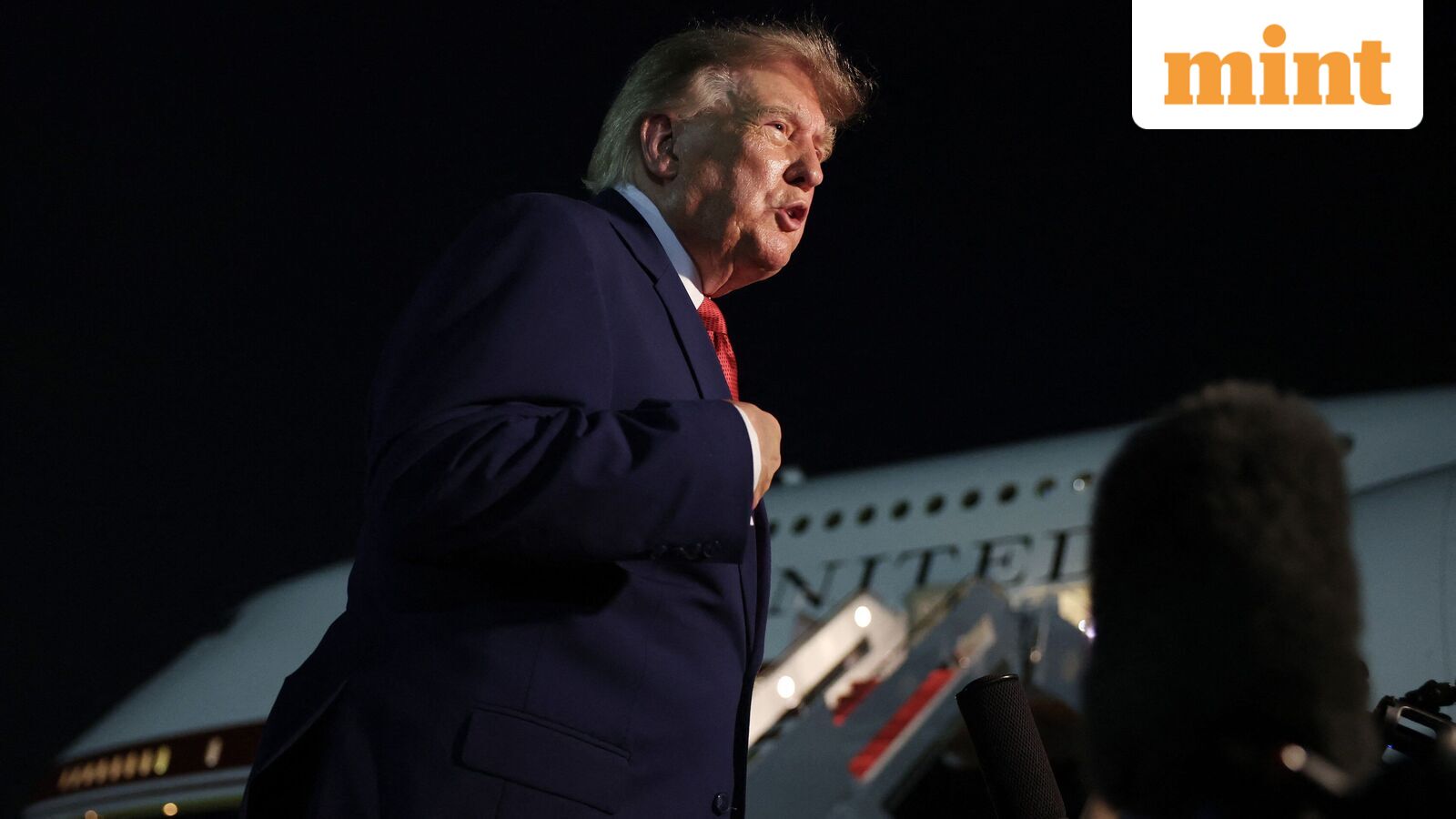
President Donald Trump said Friday that Iran wants an agreement with the United States but is not yet prepared to accept the terms he considers necessary, a statement that keeps geopolitical risk in oil markets elevated.
“They would love to make a deal, but they are not ready to make the right deal, in my opinion,” Trump told reporters at Joint Base Andrews. He listed Iran’s economic and military weakness: “They have no money. They have no navy. They have no air force. They’re not paying their soldiers. They’re not paying their police. They have 350% inflation.”
The remarks came a day after Trump threatened “tremendous economic consequences” for countries that do business with Tehran. Vice President JD Vance has said the conflict has entered a phase where economic pressure is Washington’s most effective tool. Treasury Secretary Scott Bessent said the United States would impose the “toughest sanctions in history.”
Iran’s foreign minister, Abbas Araghchi, dismissed the campaign. “14 years ago: ‘Most crippling sanctions in history.’ Failed. 8 years ago: ‘Maximum pressure.’ Failed. 5 months ago: ‘Unconditional surrender.’ Failed. Today: ‘Most crushing economic operation ever.’ Bound to fail,” he wrote on X. “We have seen this movie before. Same bull. Different bullies.”
China officially pushed back on Trump’s threat of an “economic D-Day” against Iran. Sanctions do not “fit the interest of any party,” a Chinese foreign ministry spokesperson said. The U.S. has limited leverage over Beijing, which remains Iran’s largest trade partner and a major buyer of its oil.
Trump claimed the U.S. has “total control” of the region around the Strait of Hormuz, the narrow waterway through which about a fifth of the world’s oil passes. “They would love to make a deal, but they’re not ready to make the right deal, in my opinion,” he said, according to the Times of Israel.
For markets, the risk is that escalating sanctions or a confrontation in the Strait disrupt crude flows. Iran’s oil exports have already fallen sharply under existing restrictions, but any further tightening could push prices higher, especially with global inventories already low. Tanker owners and Gulf state equities are the most exposed. A diplomatic breakthrough – signaled by direct talks or a softening of U.S. demands – would reduce the premium. A military incident or a full blockade would send oil sharply higher.
No date has been set for the next round of negotiations. Trump’s comments suggest the administration is not ready to ease pressure, leaving traders to watch for the next concrete step: new sanctions designations, a naval deployment, or a shift in China’s buying patterns.
“We’re seeing what happens,” Trump said.