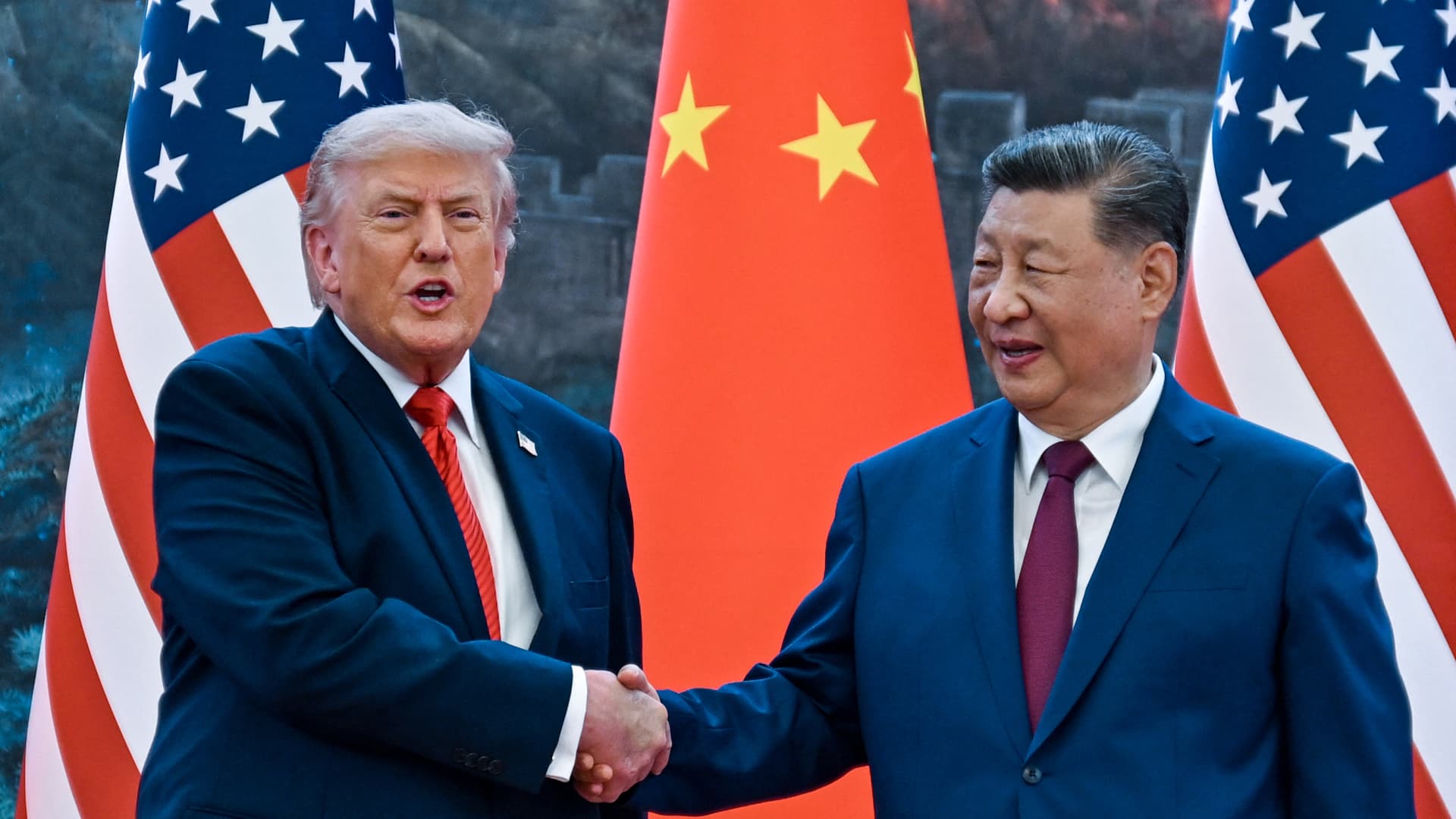
President Donald Trump said China has agreed to purchase American crude oil, speaking in a Fox News interview that aired Thursday evening. The statement, made after his meeting with President Xi Jinping in Beijing, named Texas, Louisiana, and Alaska as loading points. No volumes or timelines were provided.
The remark lands during a two-day summit heavy on pageantry and dealmaking. It signals that energy trade is on the table as both nations look for concrete wins. For crude markets, the immediate question is whether this verbal commitment translates into physical cargo bookings that alter global flows.
The Catalyst: A Presidential Nod for U.S. Oil Exports to China
Trump’s statement is not a signed purchase agreement. It is a political signal that China is willing to direct its state-owned refiners toward U.S. barrels. China is the world’s largest crude importer, and the United States has become a significant exporter since the shale revolution. A shift in Chinese sourcing would have measurable effects on benchmark pricing and vessel demand.
The U.S. exported about 4 million barrels per day of crude in recent months, with Asia already a key destination. Adding Chinese demand on a large scale would tighten the availability of light sweet crude on the Gulf Coast, potentially lifting West Texas Intermediate (WTI) relative to global benchmark Brent. The Brent-WTI spread, a closely watched arbitrage indicator, would be the first place to see the impact.
Why the Brent-WTI Spread Is the First Place to Look
The spread between Brent and WTI reflects the cost of moving U.S. crude to international markets. When the spread is wide enough, it becomes profitable to ship U.S. barrels overseas. A narrowing spread signals that domestic crude is being pulled more aggressively into the export market, reducing the discount needed to attract buyers.
If Chinese refiners begin booking Very Large Crude Carriers (VLCCs) for loading in Texas or Louisiana, the physical market would tighten. The spread could compress, especially if the purchases are large enough to strain export terminal capacity. The Louisiana Offshore Oil Port (LOOP) and Corpus Christi terminals would be the key chokepoints to monitor.
Alaska, mentioned by Trump, adds another dimension. Alaskan North Slope crude typically flows to the U.S. West Coast or Asia. A direct Chinese purchase of Alaskan barrels would bypass the Gulf Coast entirely, potentially diverting supply that would otherwise compete with Middle Eastern grades in Asian markets.
The Next Decision Point: VLCC Bookings and Export Capacity
The market will now watch for fixture reports showing Chinese charterers booking tankers for U.S. Gulf loadings. Shipping data and trade flow trackers will provide the first hard evidence of whether the presidential statement is followed by action. Without actual cargo bookings, the announcement remains a headline with no physical impact.
The timing matters. U.S. export capacity has grown but remains subject to weather and logistical constraints. A sudden surge in Chinese demand could test the system, pushing up vessel rates and widening the premium for prompt-loading barrels. The next concrete catalyst is a confirmed VLCC booking by a Chinese refiner for a Texas or Louisiana loading date.
For traders, the setup is clear: a narrowing Brent-WTI spread would confirm that the market is pricing in a real flow shift. The absence of bookings would leave the spread rangebound, and the political statement would fade as a driver. The Trump-Xi summit has produced a potential energy trade catalyst; now the physical market must deliver the proof.