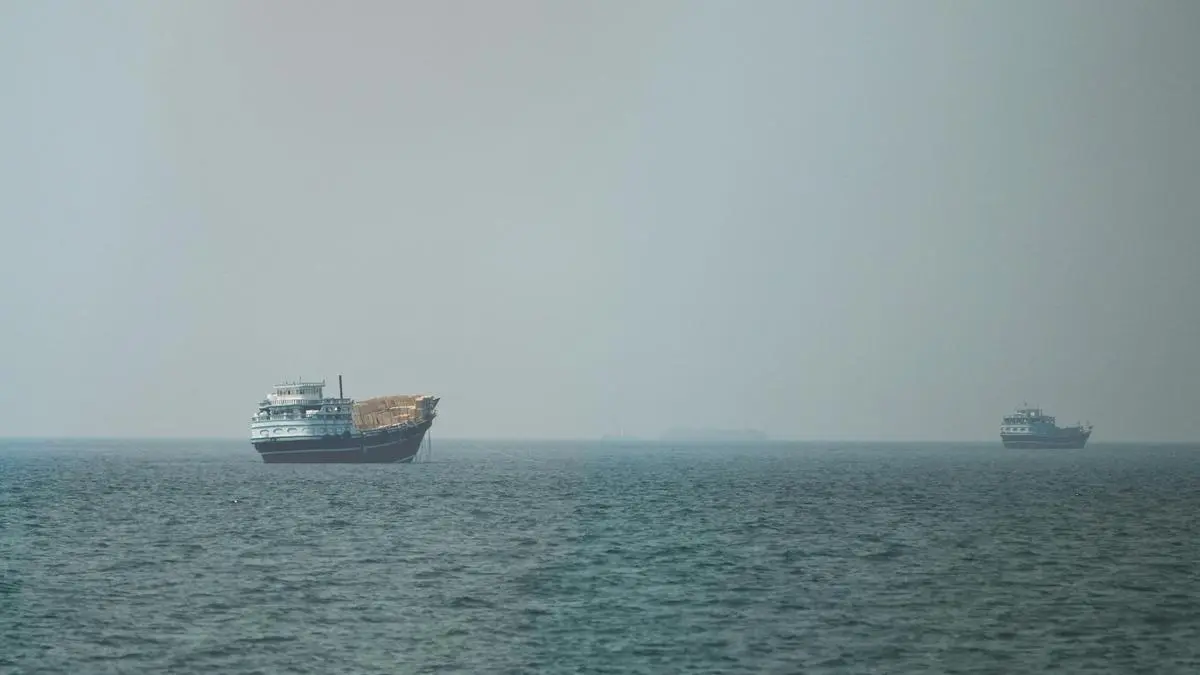
Brent crude jumped 7.8% to $81.92 after Trump reinstated the Iran blockade and proposed a 20% cargo fee for safe passage. The next catalyst is Tuesday's blockade resumption.
Brent crude jumped 7.8% to $81.92 a barrel on Monday after President Donald Trump announced the United States will reinstate a blockade on Iran in the Strait of Hormuz and charge other ships a 20% cargo fee for safe passage. The move reverses a temporary peace deal reached last month that had lifted an earlier blockade. Traffic through the strait had picked up after the interim agreement. It remained well below prewar levels.
Trump said on social media that the US will be "reimbursed" by 20% of cargo value to cover security costs. The US military said it will resume the blockade of Iranian ports Tuesday at 4 p.m. EDT. Iran's Foreign Minister Abbas Araghchi mocked the announcement on social media, saying Iran has always been the guardian of the strait and will charge a fair fee. The International Maritime Organization said there is no legal basis for mandatory tolls on international waterways.
The 20% fee on cargo value would apply to all ships transiting the strait, not just Iranian vessels. That would raise the cost of a typical tanker carrying 2 million barrels of crude by roughly $32 million, based on Monday's price. The price spike is still well below the nearly $120 reached at the height of the war in late February. The renewed uncertainty has already pushed shipping costs higher.
Iran vowed to fight back against any US interference. Exchanges of fire have escalated in recent days. The US military struck dozens of sites in Iran on Monday in response to an Iranian attack on a container ship. The US used drone ships for the first time to hit an Iranian ship maintenance facility and submarine. Missile alert sirens sounded in Bahrain, home to the US Navy's 5th Fleet. Kuwait reported attacks on its consulate in Iraq and on a maritime oil drilling platform. Jordan said it shot down four Iranian missiles. Iran reported at least two killed in strikes on multiple provinces.
The US had lifted the blockade in mid-April as part of an interim peace deal. Secretary of State Marco Rubio had spoken forcefully against any tolls for transit through the strait. Rubio told reporters in Bahrain on June 25 that there was "zero support among the Gulf countries for any sort of toll or fees." Trump's reversal suggests the deal is collapsing. Mediators including Pakistan, Qatar and Egypt continue efforts to reach a final agreement. Iran and the US are nearly halfway through the 60-day period in which they were supposed to negotiate a final deal addressing Iran's nuclear program.
The blockade and proposed fee threaten to cut off the waterway that carried a fifth of the world's oil and gas before the war began in February. The 20% levy would add about $16 per barrel to the cost of crude shipped through the strait, based on Monday's settlement price. That would compound the price shock from the initial blockade and the war itself. For energy markets, the immediate risk is a prolonged disruption to supply from the region. The next catalyst is the US military's resumption of the blockade on Tuesday. Iran has vowed to fight back.
Prepared with AlphaScala editorial tooling from the source reporting linked above. Indexable analysis may include a cited Alpha Score value. Publishing checks screen each story before release. Educational coverage, not personalized advice.