Back to Markets
Commodities● Neutral

Trump-Modi Dialogue Highlights Concern Over Strait of Hormuz Oil Flows

Trump-Modi Dialogue Highlights Concern Over Strait of Hormuz Oil Flows
CLXAU/USDSPXDJI

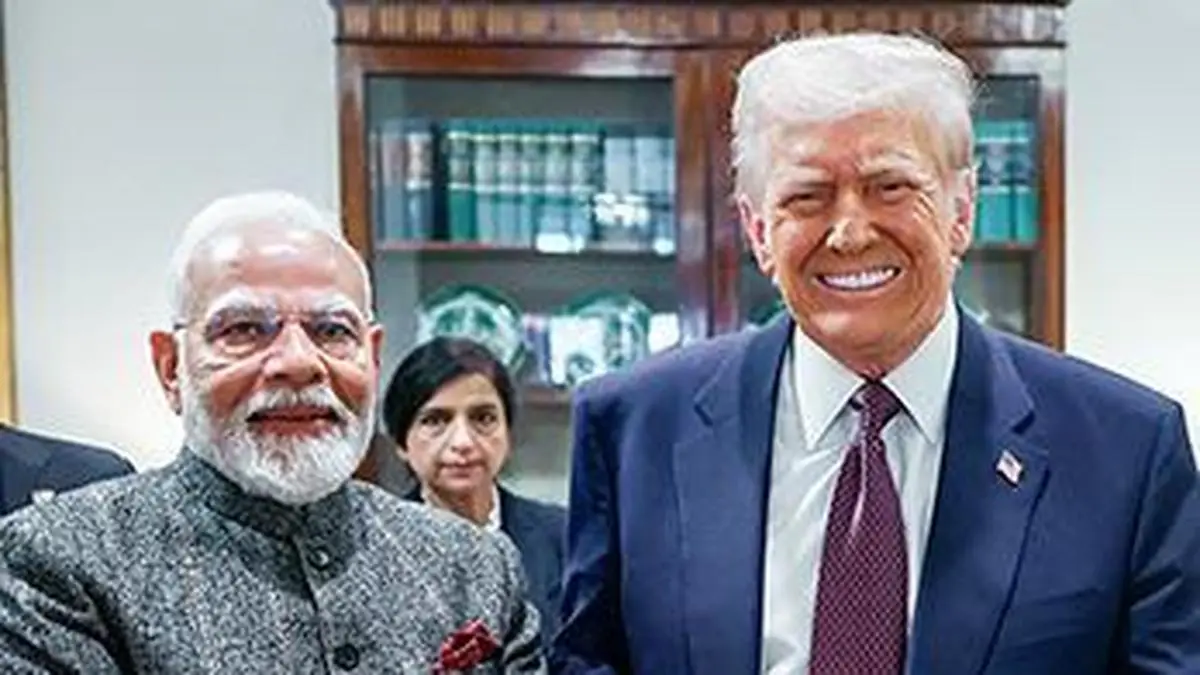
Donald Trump and Indian PM Narendra Modi held discussions regarding the Iran conflict, focusing on the security of the Strait of Hormuz and its impact on global oil supplies.

Donald Trump confirmed a high-level discussion with Indian Prime Minister Narendra Modi, focusing on the escalating conflict in Iran and its potential to disrupt critical energy transit corridors. The conversation centered on the security of the Strait of Hormuz, a chokepoint that remains essential for global crude oil supply chains.

Geopolitical Risk and Energy Security

The Strait of Hormuz serves as a vital artery for the global economy, moving roughly one-fifth of the world's total oil consumption daily. Any meaningful threat to this passage forces an immediate premium into energy pricing, as traders recalibrate risk models for tanker insurance and transit times. India, as one of the world's largest crude importers, maintains a direct incentive to ensure these routes stay open, making this diplomatic outreach a move to stabilize supply expectations.

Market participants tracking crude oil futures are currently balancing ongoing supply-demand fundamentals against the potential for sudden geopolitical friction. The dialogue between Trump and Modi suggests that major powers are actively monitoring the region to prevent supply shocks that could trigger volatility in the CL (WTI) and Brent benchmarks. Traders observing the crude oil profile will recognize that even minor news regarding regional security can cause rapid swings in liquidity.

Market Impact and Trader Focus

The intersection of regional instability and energy logistics often impacts broader equity indices like the SPX and DJI, as higher energy costs act as a tax on consumer discretionary spending. When tensions rise in the Middle East, capital flows often shift toward defensive assets. This dynamic creates a secondary effect where investors monitor the gold profile as a traditional hedge against regional escalation.

Market participants should watch for the following indicators:

  • Tanker insurance premiums for vessels transiting the Persian Gulf.
  • Inventory data from major importing nations like India and China, which signal vulnerability to supply chain interruptions.
  • Technical support levels in crude oil futures, specifically if prices break above recent resistance zones during periods of heightened tension.

"I had a very good call with PM Modi, discussing the Iran conflict and the security of oil routes," Trump noted regarding the exchange.

Implications for Energy Portfolios

For those managing energy-heavy portfolios, the conversation underscores the fragility of current supply routes. While the physical flow of oil remains unhindered, the threat of escalation creates a risk-off environment for energy stocks that rely on consistent global demand. Traders should pay close attention to statements from regional stakeholders, as these often precede shifts in commodities analysis regarding supply-side availability. The focus remains on whether diplomatic channels can contain the conflict before it impacts the physical movement of barrels globally. Expect markets to remain sensitive to any further developments regarding the security of international maritime trade.

How this story was producedLast reviewed Apr 16, 2026

AI-drafted from named primary sources (exchange feeds, SEC filings, named news wires) and reviewed against AlphaScala editorial standards. Every price, earnings figure, and quote traces to a specific source.

Editorial Policy·Report a correction·Risk Disclaimer

Asset Profiles