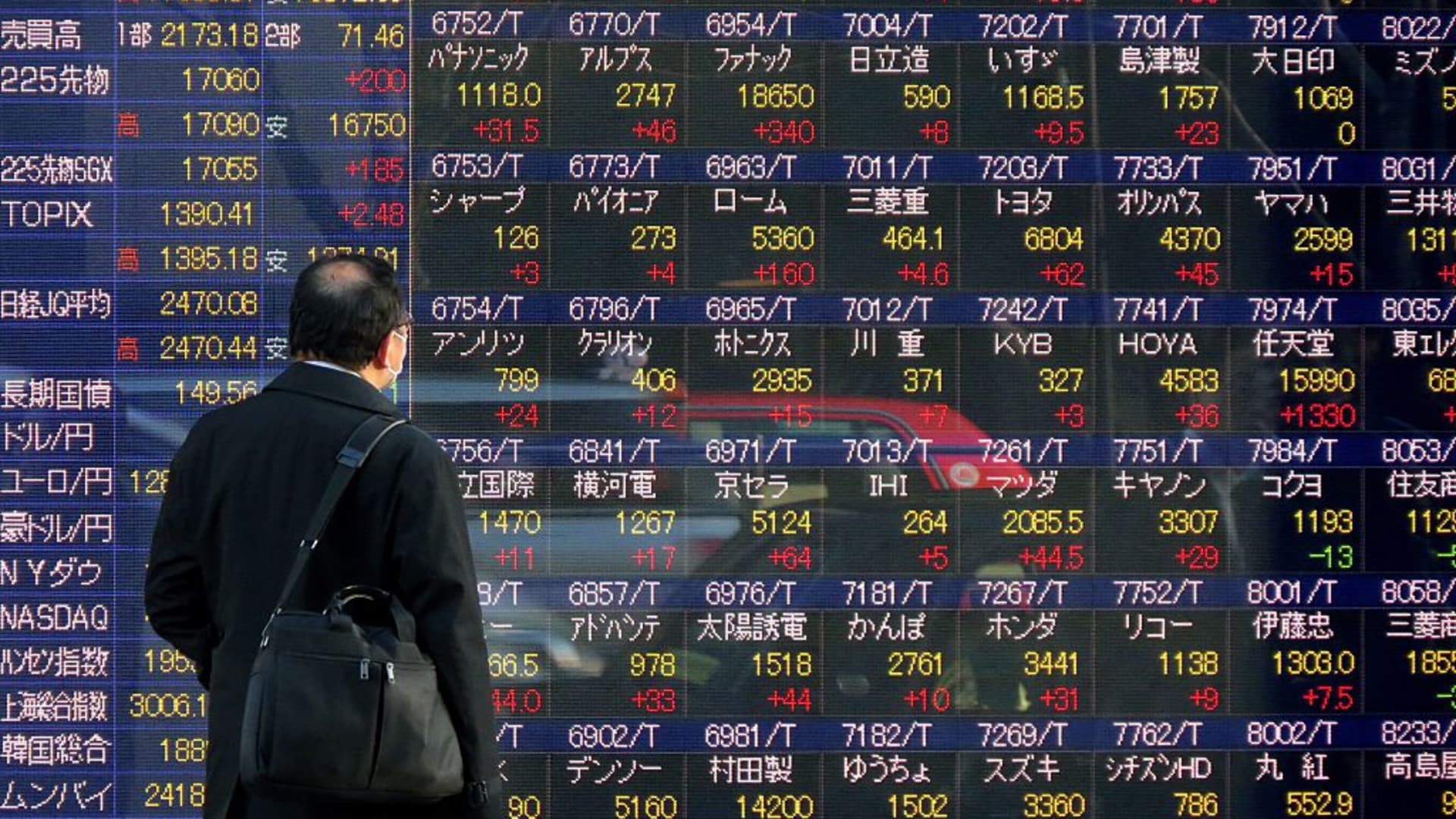
Asia Markets Face Mixed Open as Middle East Ceasefire Shifts Sentiment

Asia-Pacific markets are expected to open mixed as a fragile Israel-Lebanon ceasefire offsets the impact of record-closing highs on Wall Street.
Regional Outlook and Wall Street Divergence
Asia-Pacific markets are set for a mixed open on Friday as investors weigh a fragile Israel-Lebanon ceasefire against the backdrop of record-breaking momentum on Wall Street. While the S&P 500 and Dow Jones Industrial Average finished Thursday at all-time peaks, the enthusiasm appears to be cooling as traders shift their focus toward geopolitical stability and local macroeconomic data.
Market participants are recalibrating risk exposure. The move toward a ceasefire in the Middle East has provided a small buffer for sentiment, yet the underlying fragility of the agreement means capital flows remain cautious. Traders should note that while US indices are hitting fresh highs, the transmission of that bullishness into Asian sessions has been inconsistent throughout the week.
Geopolitical Risk and Asset Correlation
Geopolitical developments in the Middle East typically influence energy markets first. Crude oil futures often react sharply to stability in the region, which in turn dictates the local currency performance for importers across Asia. Investors looking at stock market analysis should watch how regional energy-heavy indices respond to the ceasefire news.
- S&P 500 (SPX): Closed at record highs, signaling strong US investor confidence.
- Dow Jones (DJI): Also finished at a record, reflecting demand for blue-chip exposure.
- Middle East Geopolitics: Ceasefire status remains the primary variable for risk-off sentiment in regional trading.
Implications for Traders
The divergence between US record-setting performance and Asian hesitation suggests that local market participants are prioritizing regional stability over global momentum. If the ceasefire holds, expect a potential rotation into cyclical equities that have been suppressed by war-related risk premiums. However, if the situation deteriorates, safe-haven assets will likely see immediate inflows.
Traders should monitor the following during the Friday session:
- Currency Volatility: Watch for shifts in the USD against regional pairs, as safe-haven demand often dictates liquidity during uncertain openings.
- Energy Prices: Monitor crude oil benchmarks for signs of de-escalation pricing. A sustained drop in energy costs could act as an unexpected tailwind for regional manufacturing hubs.
- Volume Profiles: Low conviction in the early hours could lead to artificial price swings. Ensure stop-loss levels are adjusted for potential morning volatility.
"The fragility of current diplomatic efforts remains a key constraint on institutional risk appetite, despite the bullish signals emanating from major US exchanges."
What to Watch
Keep an eye on the liquidity levels during the first hour of trading. Markets often exhibit a 'wait and see' bias when a significant geopolitical event overlaps with a record-high close in another time zone. Focus on the opening gap; a failure to hold early gains would suggest that the regional market is more concerned with local headwinds than the broader global rally. Asset managers should remain disciplined regarding their exposure to sectors most sensitive to energy-cost fluctuations and regional supply chains.
AI-drafted from named primary sources (exchange feeds, SEC filings, named news wires) and reviewed against AlphaScala editorial standards. Every price, earnings figure, and quote traces to a specific source.