Trump Immigration Order Could Boost Stablecoin Use
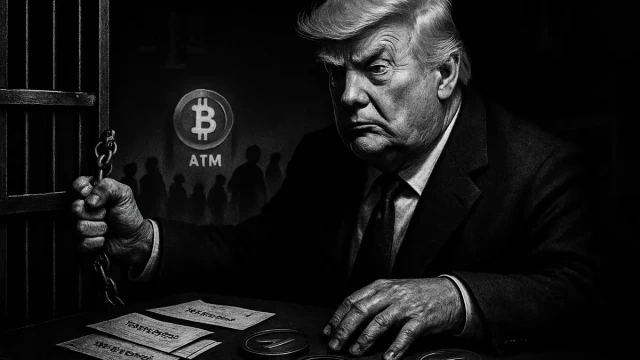
Tighter immigration rules may push underbanked users toward stablecoins. The shift could invite faster regulatory enforcement.
President Trump signed an executive order tightening immigration rules. The move raises barriers for underbanked individuals who rely on traditional banking for remittances and cross-border payments.
Bitcoin ATMs offer one alternative. They are expensive. They remain one of the easiest cash-to-crypto on-ramps for people without easy ID access. If formal channels become more restrictive, kiosk-based conversion could pick up.
Stablecoins offer another. A stablecoin transaction does not care about the sender's identity or the amount. The neutrality makes them useful for households and a headache for regulators concerned about sanctions evasion and tax leakage. Major payment firms like Visa and Mastercard have already moved into stablecoins, launching an open USD stablecoin with over 140 firms.
The same features that make stablecoins attractive also invite tougher enforcement. Any spike in informal stablecoin usage could bring faster wallet surveillance and KYC standards. Tether's USDT and Circle's USDC are the largest stablecoins by market cap.
Stablecoins do not need to capture all displaced demand. They just need to be the fastest working alternative when the usual rails get slower or stricter.
Drafted by a large language model from the source reporting linked above, then screened by automated publishing checks. It is not read by a journalist before publication. Some articles cite our Alpha Score. Verify prices and figures against the original source. Educational coverage, not personalized advice.