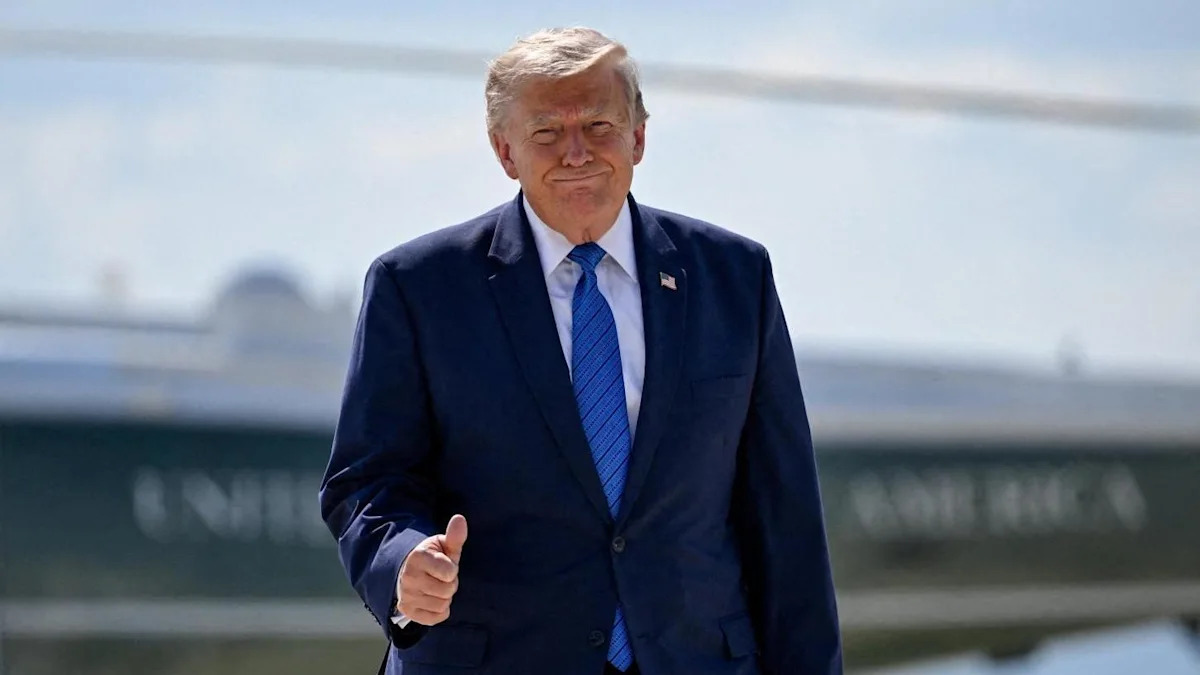
Donald Trump said he canceled planned strikes against Iran, tying the decision to what he called a rapid agreement that would open the Strait of Hormuz and end Tehran's nuclear threat.
The U.S. president wrote on Truth Social that he had "decided to cancel the attack, subject to being able to rapidly make a DEAL." The terms would include the "Immediate, Complete, and Total OPENING OF THE HORMUZ STRAIT" and an end to Iran's nuclear program. Trump said the decision was made alongside Israel.
The announcement came as U.S. media outlets reported that Washington and Israel had been planning one of the harshest bombing campaigns of the conflict, aimed at energy infrastructure inside Iran. Multiple sources told CBS News the plan was discussed during Trump's cabinet meeting Friday. While reporters were still in the room, Trump said: "We'll be hitting them very hard."
The U.S. and Israel have been striking Iranian targets since late February, after a ceasefire collapsed. Washington has blockaded Iranian ports and bombed sites, while Iran has fired missiles at U.S. assets and targeted shipping in the Strait of Hormuz, a waterway that handles about a fifth of global oil consumption.
Saudi Crown Prince Mohammed bin Salman spoke with Trump on Saturday and expressed concern about the potential strikes, Axios reported. Reuters also confirmed the call.
Tehran earlier accused the U.S. of escalating tensions, warning that any regional state cooperating with Washington would be "engulfed by the flames of war." Iran has not yet responded to Trump's latest statement.
The U.S. government issued a security alert urging Americans across the Middle East to be prepared for flight cancellations, airspace closures and travel disruptions should escalation resume.
Oil Sector Reaction
The cancellation removes the immediate threat of a strike on Iran's energy export capacity, a risk that had been propping up crude prices since the war resumed in June. The Strait of Hormuz is the chokepoint for most Persian Gulf crude. A negotiated reopening, if realized, would unwind a portion of the supply premium built into oil futures.
Major oil producers with exposure to Gulf crude flows – including Exxon Mobil (XOM) and Chevron (CVX) – are directly affected by the outcome. Tanker operators and shipping insurers also face a reversal of the war premium that pushed freight rates higher. Refiners reliant on Middle Eastern crude, particularly in Asia and Europe, could see lower feedstock costs if the strait reopens.
Trump said the "perimeters of a deal has been agreed to," though no formal agreement has been signed. Iran has not confirmed any negotiations. The question now is whether the rapid deal Trump referenced materializes or whether the threat of strikes returns.
For the energy sector, the next concrete marker is any official response from Tehran and the resumption of shipping traffic through the strait. Until then, the war premium in oil will remain compressed but not erased.