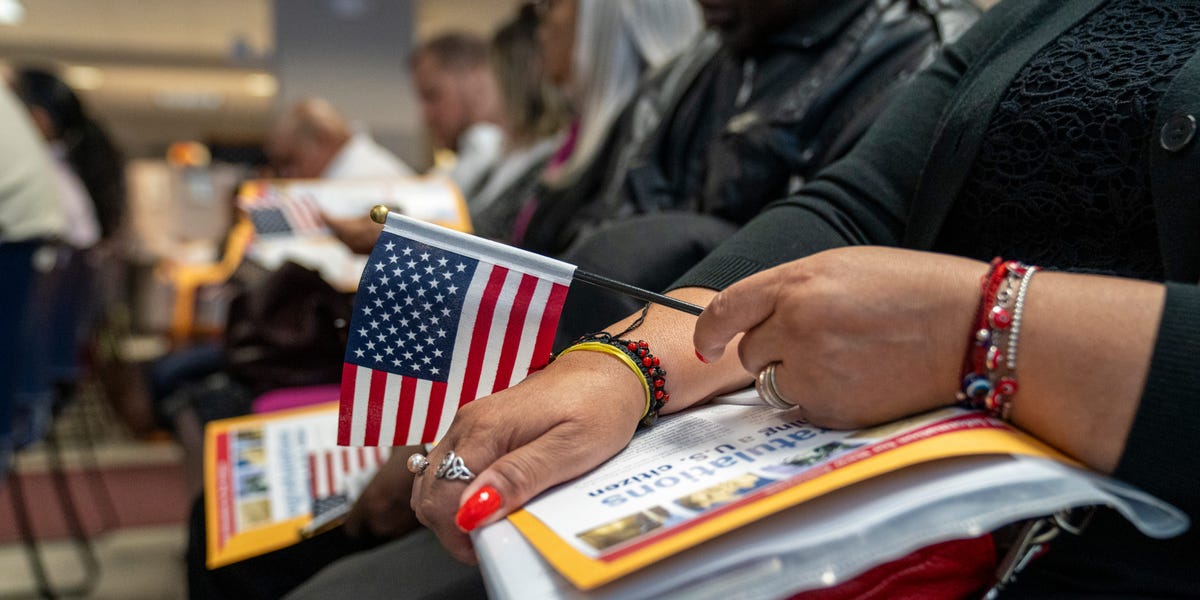
A White House memo on green card processing landed just before a holiday weekend, sending immigration lawyers and their clients into a scramble for answers. Lynden Melmed, a former U.S. Customs and Immigration Services chief counsel who now advises corporations on visa compliance, said he was forced to cancel family time to field calls. The memo, reported Friday afternoon, introduces new restrictions on work‑authorized green card applicants, raising compliance costs and delaying hiring for companies that depend on skilled foreign talent.
The crackdown targets the adjustment of status process, the primary path for foreign workers already in the U.S. on H‑1B or L‑1 visas to obtain permanent residency. Lawyers say clients now face sudden in‑person interview requirements and stricter documentation standards. For employers, the policy shift injects immediate uncertainty into workforce planning, especially in sectors that rely on the program to fill engineering, medical, and technical roles.
Why Tech and Labor‑Dependent Sectors Are Most Exposed
The memo’s impact falls hardest on multinational technology firms, consulting companies, and healthcare systems that routinely sponsor employees for green cards. Companies like Microsoft, Amazon, and Google – though not named in the source – are the largest users of employment‑based immigration. Any bottleneck in the green card queue means longer waits for key personnel to reach full productivity, or in some cases, forces permanent departures back to home countries.
Beyond tech, the policy creates headwinds for agriculture, hospitality, and construction, where seasonal or project‑based labor needs often collide with slow visa processing. The pre‑holiday timing amplifies the disruption because lawyers and HR teams lose business days to process the new requirements. Immigration law firms report emails and calls doubling over the weekend, indicating a surge in urgent compliance work rather than routine filings.
Next Decision Point: Litigation and Congressional Action
For traders and investors, the memo itself is a regulatory catalyst – it tightens labor supply in an already tight market. The immediate reaction may surface in the professional services and temporary staffing subsectors, where compliance costs are a direct line item. Companies with high exposure to visa‑dependent workers could see margin pressure if they absorb added legal fees or lose billable hours.
The next concrete marker will be legal challenges. Immigration advocacy groups and trade associations have a track record of filing injunctions against executive‑branch immigration changes. A court‑ordered stay would restore the previous process, neutralizing the memo’s effect. Without a stay, the policy stands until Congress acts, which is unlikely before the 2026 midterms. Investors should watch the federal docket in D.C. for emergency filings this week – the absence of a swift legal response would signal that the memo is likely to stick.
AlphaScala’s coverage continues to track how immigration policy shifts alter labor dynamics for public companies. The next real‑world test will be the August payrolls report: any drop in foreign‑born workforce participation would confirm the memo is more than a procedural change.
stock market analysis
best stock brokers