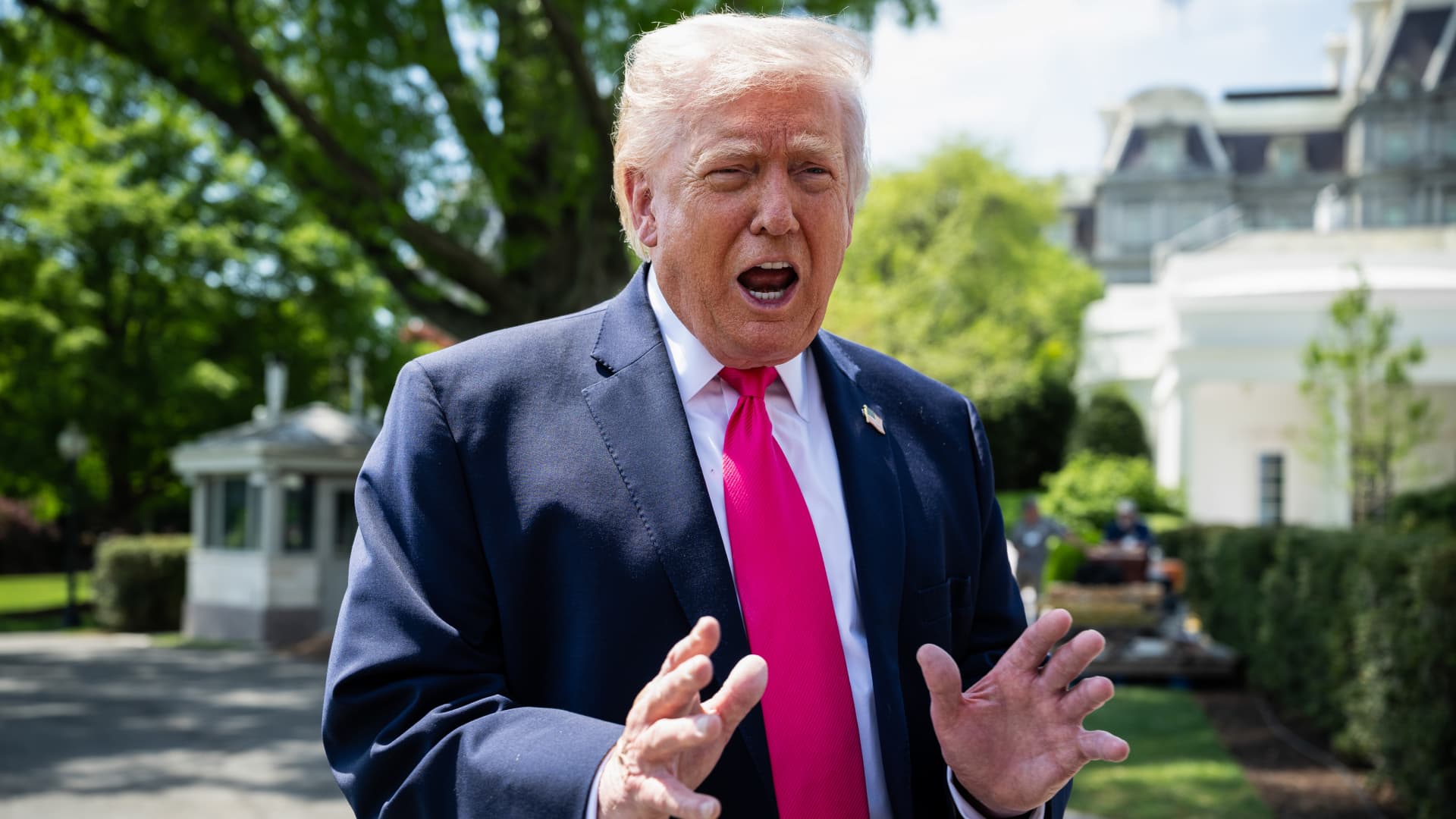
Trump Forecasts Iran Conflict Resolution Following Israel-Lebanon Ceasefire

President Donald Trump has expressed confidence in a swift conclusion to the conflict involving Iran, following the implementation of a ceasefire between Israel and Lebanon.
President Donald Trump stated that the conflict involving Iran is proceeding "swimmingly" and expects the situation to conclude in the near term. This outlook surfaced shortly after Israel confirmed a formal ceasefire agreement with Lebanon, marking a shift in the regional security environment.
Geopolitical Shifts and Market Pricing
The timing of these comments follows a period of heightened volatility across energy and safe-haven assets. Markets have spent months pricing in a risk premium related to potential supply chain disruptions in the Middle East, particularly concerning the Strait of Hormuz. When conflict intensity cools, the immediate effect is often a retracement in the crude oil profile, as traders unwind geopolitical risk hedges that were built up during periods of escalation.
For institutional desks, the primary concern remains the delta between diplomatic rhetoric and actual output stability. While the ceasefire with Lebanon provides a localized reduction in kinetic activity, the broader regional posture remains fluid. Traders should distinguish between a temporary cessation of hostilities and a durable normalization of trade routes.
Implications for Risk Assets
Equities often react to such announcements through a lower volatility regime. If the market perceives a lower probability of direct conflict involving major energy producers, the bid for safety in assets like the gold profile tends to soften. We are watching for the following shifts in market positioning:
- Energy Futures: Potential for a sustained offer in Brent and WTI as geopolitical risk premiums evaporate.
- Safe-Haven Bid: A rotation out of precious metals if the perceived tail risk of a regional conflagration recedes.
- Currency Correlation: Impacts on regional currencies that have been sensitive to the duration and intensity of the conflict.
What to Watch
The market will now test whether this diplomatic progress translates into actual supply chain normalization. Watch the price action in energy-linked indices and the broader market analysis for signs of a sustained move in either direction. Investors should focus on the following indicators over the next 72 hours:
| Indicator | Expected Reaction to De-escalation |
|---|---|
| Crude Oil Futures | Downward pressure on spot prices |
| Gold Spot | Potential retracement from recent highs |
| Volatility Indices | Compression in implied volatility |
Traders should avoid over-extrapolating from political commentary until physical flow data confirms a change in regional stability. The immediate focus remains on how these diplomatic developments influence the energy complex, which serves as the primary transmission mechanism for regional conflict risk into the global economy.
AI-drafted from named primary sources (exchange feeds, SEC filings, named news wires) and reviewed against AlphaScala editorial standards. Every price, earnings figure, and quote traces to a specific source.