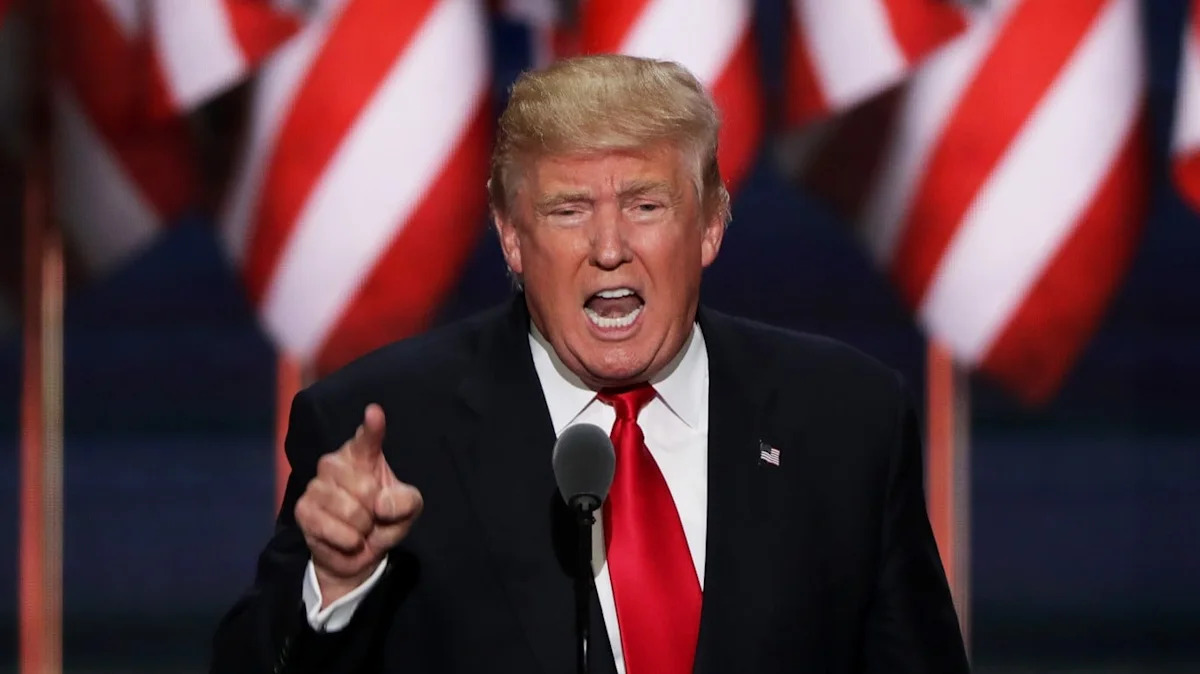
AAA says the national average for regular gasoline sits around $4.10 a gallon, up from roughly $2.98 before the Iran conflict erupted earlier this year. President Donald Trump took aim at Chevron this morning after CEO Mike Wirth appeared on Fox Business discussing the company's strong performance. In a Truth Social post, Trump argued Chevron's success was possible only because of his administration's actions in Venezuela, including reopening the country's oil industry to U.S. companies after Nicolas Maduro's removal. He then demanded Chevron and other producers "get your consumer (retail!) Oil Prices DOWN, NOW!"
That criticism misses how gasoline pricing actually works. According to the American Petroleum Institute, fewer than 5% of U.S. gas stations are owned directly by major oil companies. Chevron, ExxonMobil, Shell, and other integrated oil companies rarely determine the price consumers see on station signs. Retail stations are largely price takers rather than price makers. Owners price fuel based on what it will cost to replace the next shipment, local competitors' prices, labor costs, rent, credit card fees, taxes, and margins that are often just pennies per gallon. Many convenience stores earn more profit selling coffee and snacks than gasoline itself.
Chevron can influence wholesale fuel costs through its refining business. It cannot simply order independently owned stations across America to slash prices.
The biggest move in gasoline prices this year followed Trump's military action against Iran at the end of February. Oil markets immediately priced in the possibility of supply disruptions throughout the Middle East, sending both West Texas Intermediate and Brent crude above $100 per barrel before easing. WTI has since fallen below $80 and Brent has retreated to roughly $83 after Trump again delayed retaliatory strikes against Iran. Crude remains well above where it traded when his administration negotiated a temporary truce with Tehran.
Markets continue to build a geopolitical risk premium into oil prices because Trump's repeated threats to resume military action create uncertainty over future supply. That uncertainty -- not Chevron's earnings call -- is what has kept gasoline prices elevated.
Ironically, Chevron is benefiting from stronger crude prices that largely reflect geopolitical developments beyond its control. That is exactly what integrated energy companies are designed to do. Higher oil prices typically expand upstream profits, even if refining margins fluctuate.
For investors, the more important variables remain global supply, OPEC+ production decisions, U.S. shale output, refinery utilization, and geopolitical tensions. Not presidential demands directed at corporate executives.
When oil prices rise, retail gasoline follows. When crude falls for a sustained period, wholesale prices decline, and competition gradually pushes pump prices lower. No social media post changes that equation.
The jump from roughly $2.98 per gallon before the Iran conflict to more than $4 today largely reflects higher crude prices driven by geopolitical risk, not decisions made by Chevron or ExxonMobil. Energy stocks will continue to rise and fall with global oil fundamentals, while consumers will keep paying prices determined primarily by wholesale markets and local station owners.
Trump's criticism of Chevron shifts attention away from the biggest factor behind today's gasoline prices. The merits of his foreign policy can be debated. Investors understand that protecting strategic interests sometimes carries economic costs. Assigning responsibility for higher gasoline prices to oil companies ignores how commodity markets function.
AlphaScala rates Chevron at 56/100 and ExxonMobil at 56/100, both Moderate. The commodities analysis page tracks the broader sector.