Trump Announces US-Venezuela Oil Deal: 65 Billion Barrels
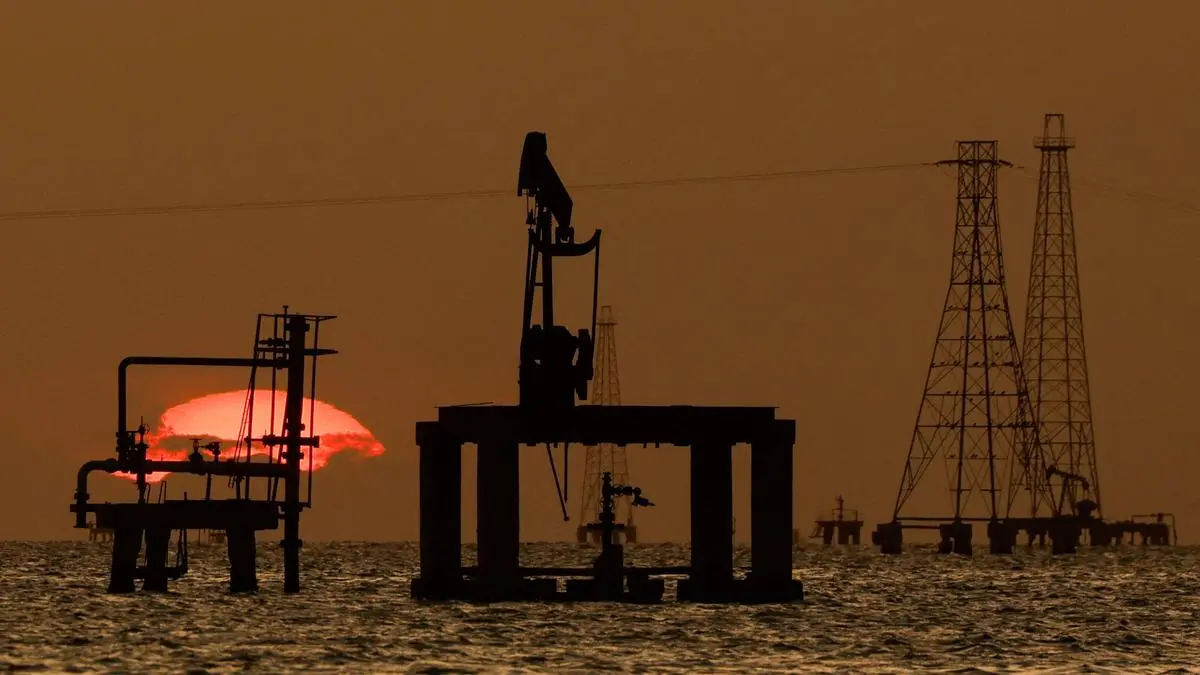
Trump announced a US-Venezuela deal for 65 billion barrels of oil reserves. Marco Rubio said it could bring $100 billion in private investment and lower US gas prices from $4.09 a gallon.
President Donald Trump on Friday said the United States has entered an agreement with Venezuela to take control of 65 billion barrels of the country's oil reserves. He wrote on social media that Secretary of State Marco Rubio, Defense Secretary Pete Hegseth and Venezuela's interim President Delcy Rodriguez negotiated the deal.
"The United States of America has just entered into an Agreement with the Country of Venezuela on, THE BIGGEST OIL DEAL IN WORLD HISTORY!" Trump wrote. The Venezuelan government's press office did not respond to a request for comment.
Rubio said on X the deal would bring $100 billion in private investment into Venezuela and push U.S. gas prices lower. "This deal is a huge win for both the American and Venezuelan people," Rubio posted.
The announcement lands nearly nine months after the U.S. military captured Venezuela's president Nicolás Maduro and flew him to the U.S. to face federal narcoterrorism and drug trafficking charges. Trump has faced pressure to address gas prices as the U.S.-Iran war reached six months with no resolution. The average U.S. gas price stood at $4.09 a gallon on Friday, according to AAA, up from $3.21 a year earlier.
The U.S. has drawn down its Strategic Petroleum Reserve, which fell below 300 million barrels in early August, down more than 100 million barrels since the start of 2026. The U.S.-Israel war against Iran has slowed Gulf oil shipments through the Strait of Hormuz, a chokepoint that handled about 20% of global petroleum before the conflict.
Venezuela holds an estimated 303 billion barrels of crude oil in the ground, roughly 17% of the world's supply, according to the U.S. Energy Information Administration. Geologists say the reserves are largely mapped and known. Decaying infrastructure limits the country to about 1% of global output.
Persuading major U.S. oil companies to return faces obstacles after decades of infrastructure decay. Days after Maduro's capture, Trump gathered oil executives at the White House and urged them to re-enter Venezuela. Executives expressed interest but also caution based on past losses.
Darren Woods, CEO of ExxonMobil, the largest U.S. oil company, said at the time he considered Venezuela "un-investable." Trump has argued that his administration has brought stability to the country and that Venezuela stole U.S. oil when former president Hugo Chavez nationalised hundreds of foreign-owned assets decades ago.
Rodriguez, early in her interim presidency, signed a law to privatise Venezuela's oil sector, reversing a core tenet of the socialist movement that ruled for more than two decades. The White House did not reply to a request for details on the private sector partners involved in the arrangement.
Drafted by a large language model from the source reporting linked above, then screened by automated publishing checks. It is not read by a journalist before publication. Some articles cite our Alpha Score. Verify prices and figures against the original source. Educational coverage, not personalized advice.