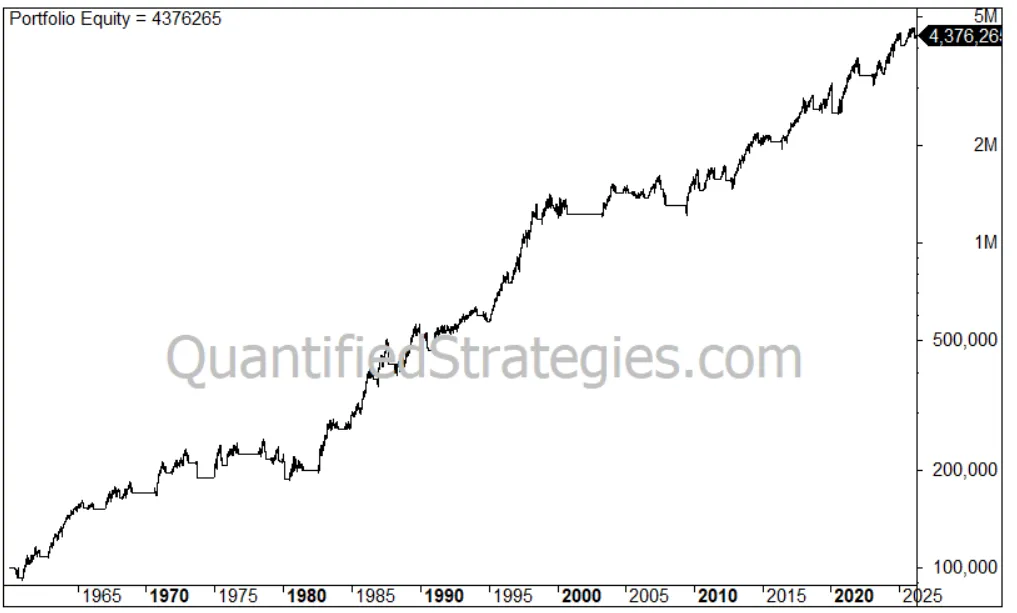
The narrative surrounding S&P 500 index management has shifted toward the efficacy of systematic trend following. By moving to cash when the index falls below a specific moving average and re-entering during periods of positive momentum, the strategy attempts to mitigate the impact of prolonged drawdowns. This approach prioritizes capital preservation during structural declines, contrasting with the traditional buy and hold methodology that accepts full market exposure regardless of volatility levels.
Systematic Exposure and Volatility Mitigation
The core of this strategy rests on the binary decision to hold the index or move to a cash equivalent. When the S&P 500 maintains a position above its long term moving average, the strategy captures the primary upward trajectory of the equity market. The shift occurs when the index breaches this threshold, triggering a transition to a defensive posture. This mechanism is designed to bypass the most severe phases of market corrections, though it inherently risks missing the initial stages of a recovery if the market rebounds sharply from a technical floor.
Investors evaluating this model must consider the trade off between reduced volatility and the potential for whipsaw losses. Whipsaw occurs when the index triggers a sell signal followed by a rapid reversal, forcing the strategy to sell low and buy back at a higher price. While the strategy effectively avoids the deepest troughs of a bear market, the cumulative effect of small, frequent losses during range bound or choppy market conditions can erode the performance gains achieved during bull runs. The success of the strategy depends on the frequency and magnitude of sustained trends versus the frequency of false signals.
Structural Implications for Index Allocation
Applying a trend following overlay to the S&P 500 changes the risk profile of a portfolio from one of pure equity beta to one of conditional exposure. This shift is particularly relevant for those monitoring market analysis to determine whether current index levels justify full participation. The strategy effectively transforms the S&P 500 from a static asset into a dynamic one, where the primary risk is no longer just market direction, but the timing of the signal itself.
For context on how individual industrial components might react to broader market shifts, Bloom Energy Corp maintains an Alpha Score of 46/100, categorized as Mixed within the Industrials sector. You can track further developments on the BE stock page. As the market continues to navigate stock market analysis regarding interest rate sensitivity and growth expectations, the reliance on technical indicators for index exposure will likely increase.
The next concrete marker for this strategy involves the upcoming monthly close, which will determine if the S&P 500 maintains its position relative to the primary trend line. A breach of this level would force a re-evaluation of the current allocation, moving the focus toward the next support level and the potential for a sustained defensive shift.