Back to Markets
Stocks● Neutral

Consumer Brand Visibility and the Economics of Event Sponsorship

Consumer Brand Visibility and the Economics of Event Sponsorship
ASONKEYBE

The strategic alignment of consumer brands with elite athletic events serves as a key driver for market positioning and long-term brand equity in the competitive personal care sector.

AlphaScala Research Snapshot
Live stock context for companies directly referenced in this story
Consumer Cyclical
Alpha Score
47
Weak

Alpha Score of 47 reflects weak overall profile with moderate momentum, poor value, moderate quality. Based on 3 of 4 signals — score is capped at 90 until remaining data ingests.

Alpha Score
45
Weak

Alpha Score of 45 reflects weak overall profile with strong momentum, poor value, poor quality, weak sentiment.

Financials
Alpha Score
68
Moderate

Alpha Score of 68 reflects moderate overall profile with strong momentum, strong value, moderate quality, moderate sentiment.

Industrials
Alpha Score
46
Weak

Alpha Score of 46 reflects weak overall profile with strong momentum, poor value, poor quality, moderate sentiment.

This panel uses AlphaScala-native stock data, separate from the source wire linked above.

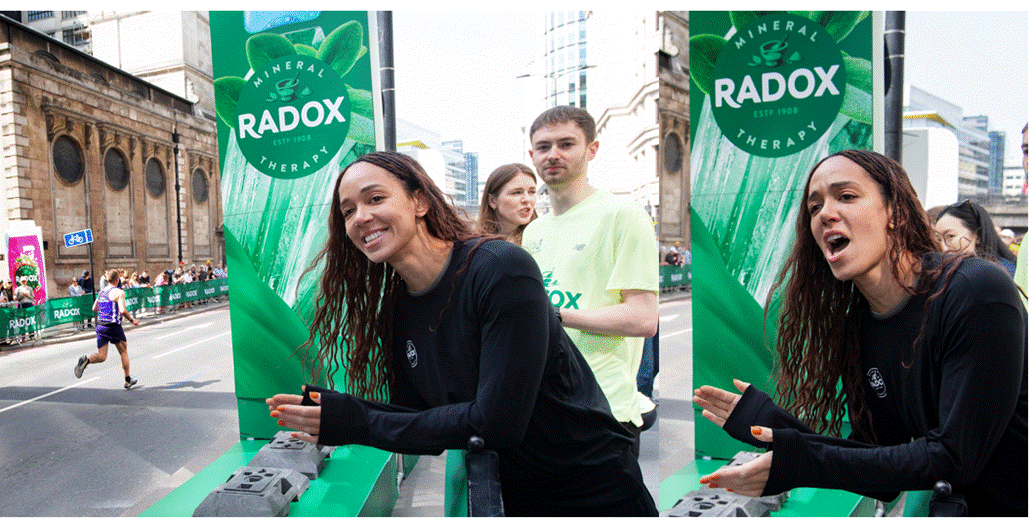
The presence of high-profile athletes at major endurance events like the TCS London Marathon serves as a primary vehicle for consumer brands to anchor their market positioning. When a brand like Radox aligns itself as the official bath and shower gel partner, the objective extends beyond simple logo placement. It creates a direct association between the physical recovery needs of elite performers and the everyday utility of the product line. This strategy relies on the transfer of brand equity from the athlete to the consumer goods manufacturer, aiming to solidify market share in the competitive personal care sector.

The Commercial Logic of Endurance Partnerships

For consumer-facing companies, the London Marathon represents a concentrated demographic of health-conscious individuals. By integrating brand ambassadors into the event ecosystem, firms attempt to bridge the gap between aspirational athletic performance and routine household consumption. The partnership functions as a targeted marketing funnel, where the visibility of the brand during a high-stakes athletic event reinforces product relevance. This is particularly effective in the personal care space, where brand loyalty is often driven by perceived quality and lifestyle alignment rather than price alone.

Strategic Brand Positioning and Market Reach

Strategic sponsorships provide a measurable touchpoint for consumer engagement that traditional advertising often lacks. By leveraging the credibility of figures like Katarina Johnson-Thompson, the brand gains an immediate narrative advantage. This type of engagement is designed to sustain brand awareness long after the event concludes. The effectiveness of such campaigns is typically evaluated through social sentiment, direct engagement metrics, and the subsequent impact on retail shelf velocity.

These partnerships often signal a broader shift in how companies approach stock market analysis regarding consumer discretionary spending. When firms invest heavily in event-based marketing, they are betting on the resilience of the consumer's desire for premium-positioned personal care products. The success of these initiatives often hinges on the ability to translate the excitement of the event into consistent, recurring revenue streams at the retail level.

Evaluating the Sponsorship Lifecycle

The long-term value of these sponsorships is found in the consistency of the brand message across multiple event cycles. Companies that successfully integrate their products into the recovery and wellness routines of the marathon demographic often see improved brand retention. This approach is a critical component of Saudi Vision 2030 Reshapes Financial Sector Infrastructure style initiatives, where large-scale event participation is used to drive broader economic and brand development goals.

Investors should monitor the next quarterly earnings reports for mentions of marketing efficiency ratios and customer acquisition costs related to these high-profile events. The ability to convert event-day visibility into sustained sales growth remains the primary indicator of whether such sponsorships provide a genuine return on investment or merely serve as a vanity expense. The next marker for this strategy will be the upcoming retail sales data, which will reveal if the brand's presence at the marathon translated into tangible volume gains in the personal care segment.

How this story was producedLast reviewed Apr 26, 2026

AI-drafted from named sources and checked against AlphaScala publishing rules before release. Direct quotes must match source text, low-information tables are removed, and thinner or higher-risk stories can be held for manual review.

Editorial Policy·Report a correction·Risk Disclaimer