Back to Markets
Crypto▲ Bullish

Treasury Secretary Bessent Calls for Urgent Congressional Action on Crypto Regulatory Framework

April 9, 2026 at 11:33 AMBy AlphaScalaSource: Blockonomi
Treasury Secretary Bessent Calls for Urgent Congressional Action on Crypto Regulatory Framework

Treasury Secretary Scott Bessent has called for immediate Congressional action on the Crypto Clarity Act, signaling a shift toward definitive federal regulation to stabilize the digital asset market.

A Pivot Toward Legislative Certainty

In a decisive move signaling a shift in the administration's approach to digital assets, Treasury Secretary Scott Bessent has issued an urgent mandate for Congress to fast-track the passage of the Crypto Clarity Act. The call to action underscores a growing consensus within the executive branch that the current regulatory vacuum is not only stifling innovation but creating significant systemic risk within the U.S. financial architecture.

Secretary Bessent’s directive comes at a time when the digital asset ecosystem is transitioning from a speculative fringe to an integrated component of the global capital markets. By demanding a comprehensive legislative framework, the Treasury is effectively signaling that the era of 'regulation by enforcement'—which has defined much of the last three years—is unsustainable and potentially detrimental to the competitive standing of the U.S. dollar in the burgeoning tokenized economy.

The Cost of Regulatory Ambiguity

For market participants, the lack of a unified federal standard has been a primary source of volatility and capital flight. The Crypto Clarity Act is positioned as the definitive legal remedy to delineate the jurisdictional boundaries between the Securities and Exchange Commission (SEC) and the Commodity Futures Trading Commission (CFTC).

'We can no longer afford the luxury of legislative inertia,' Secretary Bessent stated, emphasizing that the current ambiguity serves as a deterrent for institutional capital. For traders and institutional investors, this lack of clarity has made it notoriously difficult to assess risk exposure, leading to wider bid-ask spreads and a reluctance to integrate digital assets into traditional portfolio allocation strategies.

Historically, financial markets thrive on predictability. The current patchwork of state-level regulations and inconsistent federal litigation has hindered the development of deep, liquid markets for digital assets. By pushing for a federal framework, the Treasury aims to provide the legal certainty necessary for banks, custodians, and asset managers to enter the space with confidence.

Market Implications: Why Traders Should Care

For the trading community, the implications of a swift legislative victory are twofold. First, the formalization of asset classifications—distinguishing between commodities and securities—would likely lead to a reduction in the 'regulatory discount' currently applied to many digital tokens. Assets that have been suppressed due to pending litigation or threat of SEC intervention could see a significant repricing once their legal status is codified under the proposed Act.

Second, a clear regulatory path will likely pave the way for a new wave of exchange-traded products and institutional-grade custody solutions. Historically, when regulatory barriers are lowered—as seen with the approval of spot Bitcoin ETFs—the result is an influx of passive and active institutional capital, which historically correlates with sustained price appreciation and reduced long-term volatility.

Looking Ahead: The Legislative Hurdle

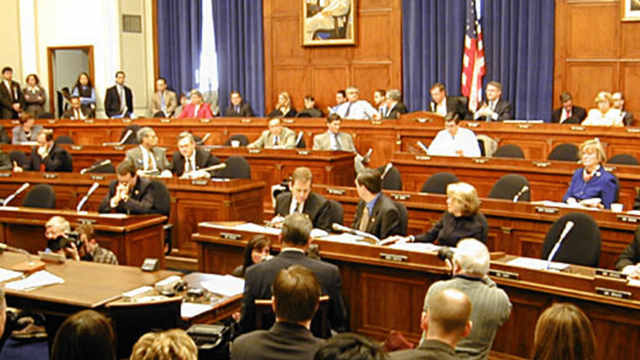
The road to enactment will not be without friction. While the Treasury’s support provides significant momentum, the Crypto Clarity Act must still navigate a divided legislature. Traders should monitor the House Financial Services Committee and the Senate Banking Committee for signals of bipartisanship. Any indication that the bill is being stalled or diluted will likely trigger a risk-off sentiment across digital asset markets, as the market currently has 'legislative progress' priced into the valuation of several major assets.

As the debate moves to the floor, market participants should remain focused on the specific language regarding stablecoin oversight and anti-money laundering (AML) compliance. These provisions will be the true bellwethers for how the U.S. intends to balance technological progress with national security and consumer protection. For now, the Treasury’s firm stance marks the beginning of a new chapter in the institutionalization of crypto-assets.