Treasury doubles max buyback to $4B starting Sept. 9 to boost liquidity in long-dated bonds. Bessent says next auction schedule unchanged. Impact on yields and TGA balances under watch.
Treasury Secretary Scott Bessent said Monday that the regular schedule of Treasury auctions will continue unchanged, even as the department raised its maximum buyback authority to at least $4 billion per operation from $2 billion.
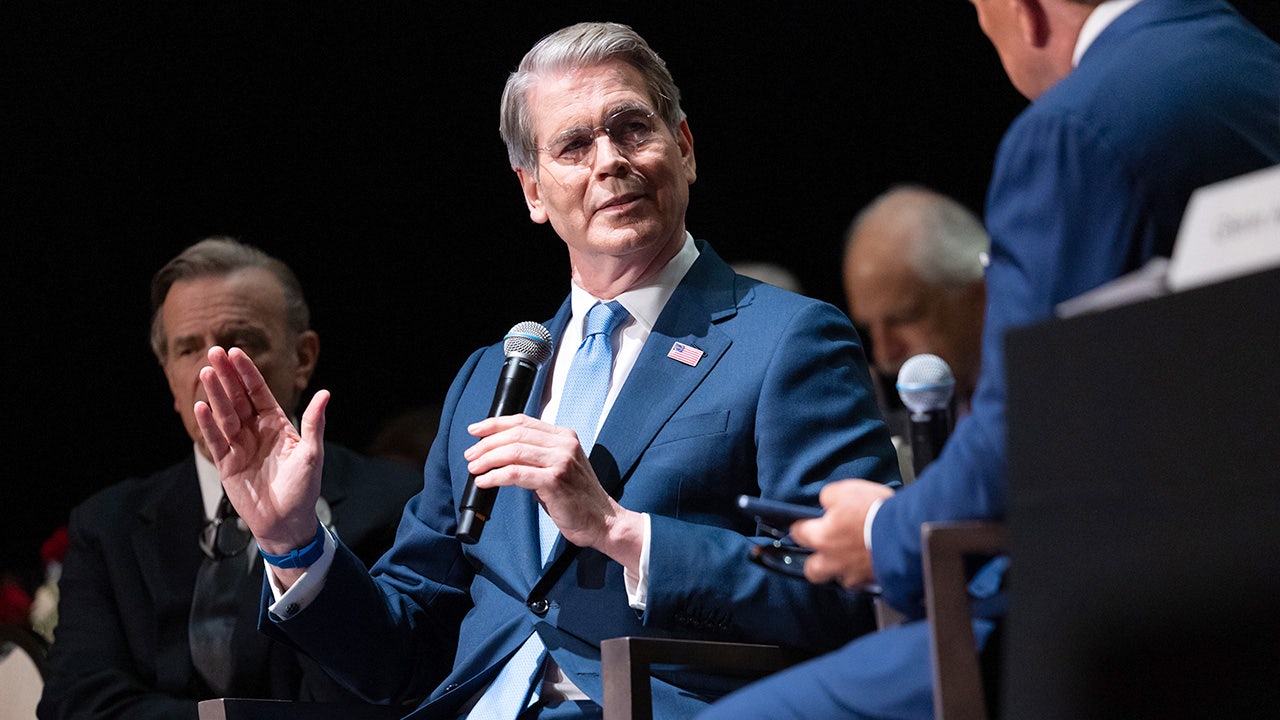
Bessent spoke at a press conference on new secondary sanctions targeting Iran's trading partners. He was asked whether the Treasury might reduce the size of long-dated auctions to help lower yields. "We are going to continue with our regular program of auctions," Bessent said. "We haven't bought a single bond yet."
The change takes effect Sept. 9 and is expected to remain through Nov. 4. Bessent said the next auctions of longer-dated Treasurys, including the 10-year note and the 20- and 30-year bonds, are scheduled for mid-September, the earliest the new buyback structure could affect the market.
The Treasury announced the higher buyback cap on Aug. 19. Under the new terms, the $4 billion level is a floor, not a cap, letting buyback sizes adjust to market conditions. The Treasury said the increase reflects its desire to provide greater liquidity support in longer-dated nominal sectors where there is consistent strong sponsorship from market participants, as evidenced by the volume of high-quality offers it routinely receives.
Yields on the 10-year note and 20- and 30-year bonds fell briefly after the Aug. 19 announcement but largely retraced by week's end. Monday saw yields edge lower again, though the move was modest, traders said.
Bessent said the larger buybacks aim to support liquidity in a more thinly traded part of the curve, particularly the 30-year sector, which has been competing with heavy corporate bond issuance tied to artificial intelligence buildouts. The buyback program is small relative to the roughly $28 trillion Treasury market, but investors watch it as a marginal liquidity signal.
The Treasury did not specify the funding source for the buybacks. A Reuters report noted the Treasury General Account at the Federal Reserve could be used because it would avoid issuing new short-dated debt, though it would draw down cash reserves. The TGA stood at roughly $940 billion as of last Wednesday. The account has averaged about $840 billion over the past year, the highest outside its pandemic-era buildup, and has been used to pay for tariff refunds after a Supreme Court ruling struck down part of President Donald Trump's tariff regime.
The U.S. gross national debt passed $40 trillion last week for the first time. Higher yields on long-dated Treasurys increase interest costs on that debt, adding fiscal pressure. The buyback program, if funded from the TGA rather than new issuance, would not add to supply but could tighten cash in the financial system.
For bond market participants, the key question is whether the larger buybacks meaningfully improve liquidity in the 30-year sector or whether the impact stays marginal. Bessent's commitment to keeping the auction calendar unchanged removes one uncertainty. The next real test comes in mid-September when the new buyback structure coincides with the quarterly refunding auctions.
The Treasury said it will provide more information about future buyback sizes after Nov. 4, the end of the current quarter's planned period.
Drafted by a large language model from the source reporting linked above, then screened by automated publishing checks. It is not read by a journalist before publication. Some articles cite our Alpha Score. Verify prices and figures against the original source. Educational coverage, not personalized advice.