Stocks● Neutral
Treasury Doubles Long-Dated Bond Buybacks After Yields Hit 5.3%
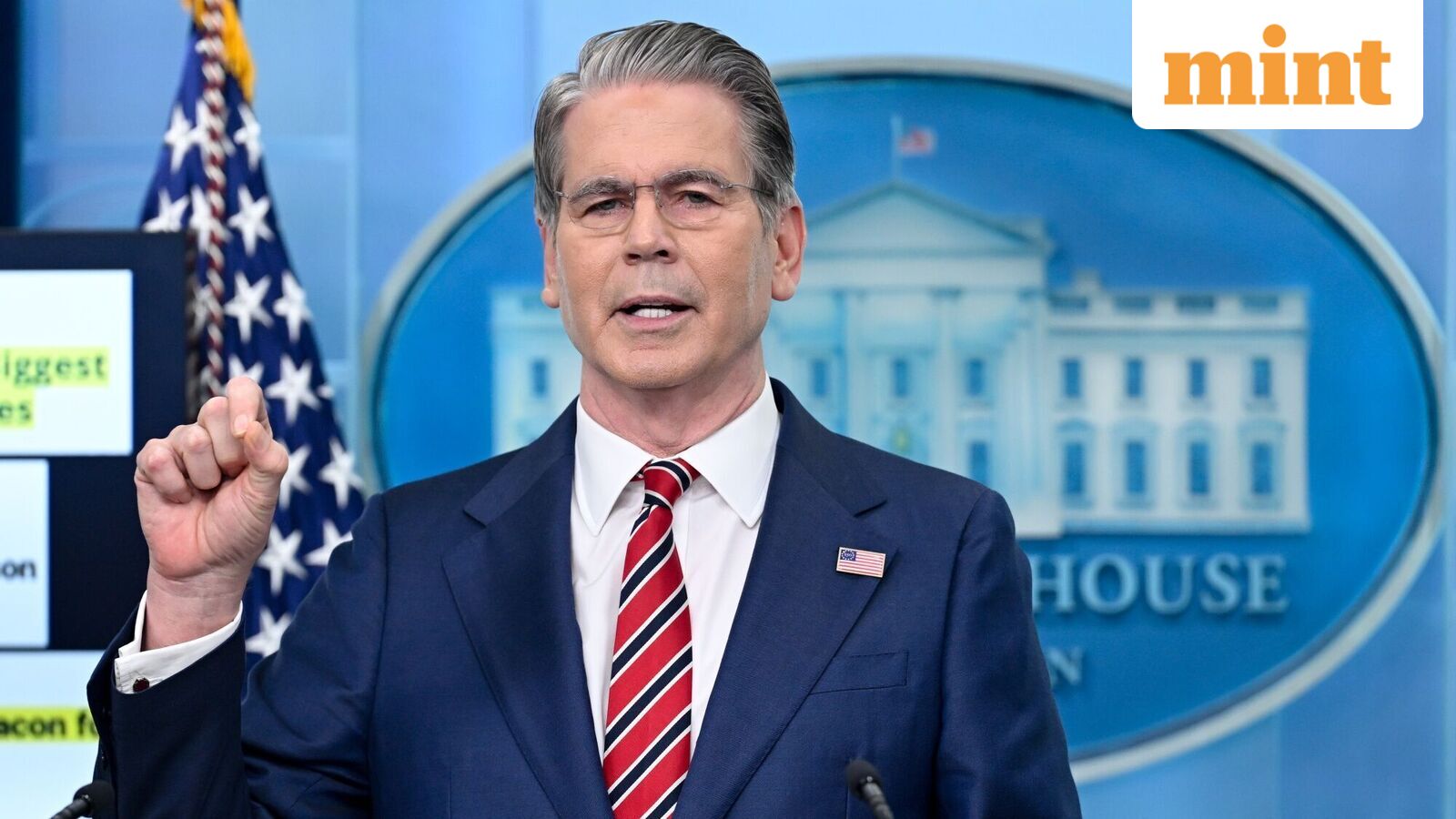
The Treasury will buy $32 billion per quarter in long-dated bonds, a sliver of the $40 trillion market. Yields eased from 2007 highs, but the buyback's scale leaves broader demand as the real driver.
Continue with
The US Treasury Department said it would double the pace of buybacks on long-dated bonds after the 30-year yield rose above 5.3% for the first time since 2007. The yield eased to 5.2% on the announcement, the Mint editorial board reported.
The plan calls for roughly $32 billion in quarterly purchases of Treasury bonds with maturities of 10 years or longer. Total investor-held Treasury debt with face value exceeds $40 trillion, making the buyback roughly 0.3% of outstanding paper per quarter. The Mint editorial board argued that such a small sum is unlikely to shift a market of that depth. One trader at a primary dealer, quoted in the article, called the move "more a signal than a lever."
The yield climb reflects the federal government's debt crossing $40 trillion, a fiscal deficit near 6% of GDP, and persistent inflation fears. The Federal Reserve's rate path remains uncertain. Added supply of corporate bonds from AI-related issuers has also piled onto the bond market, raising overall supply.