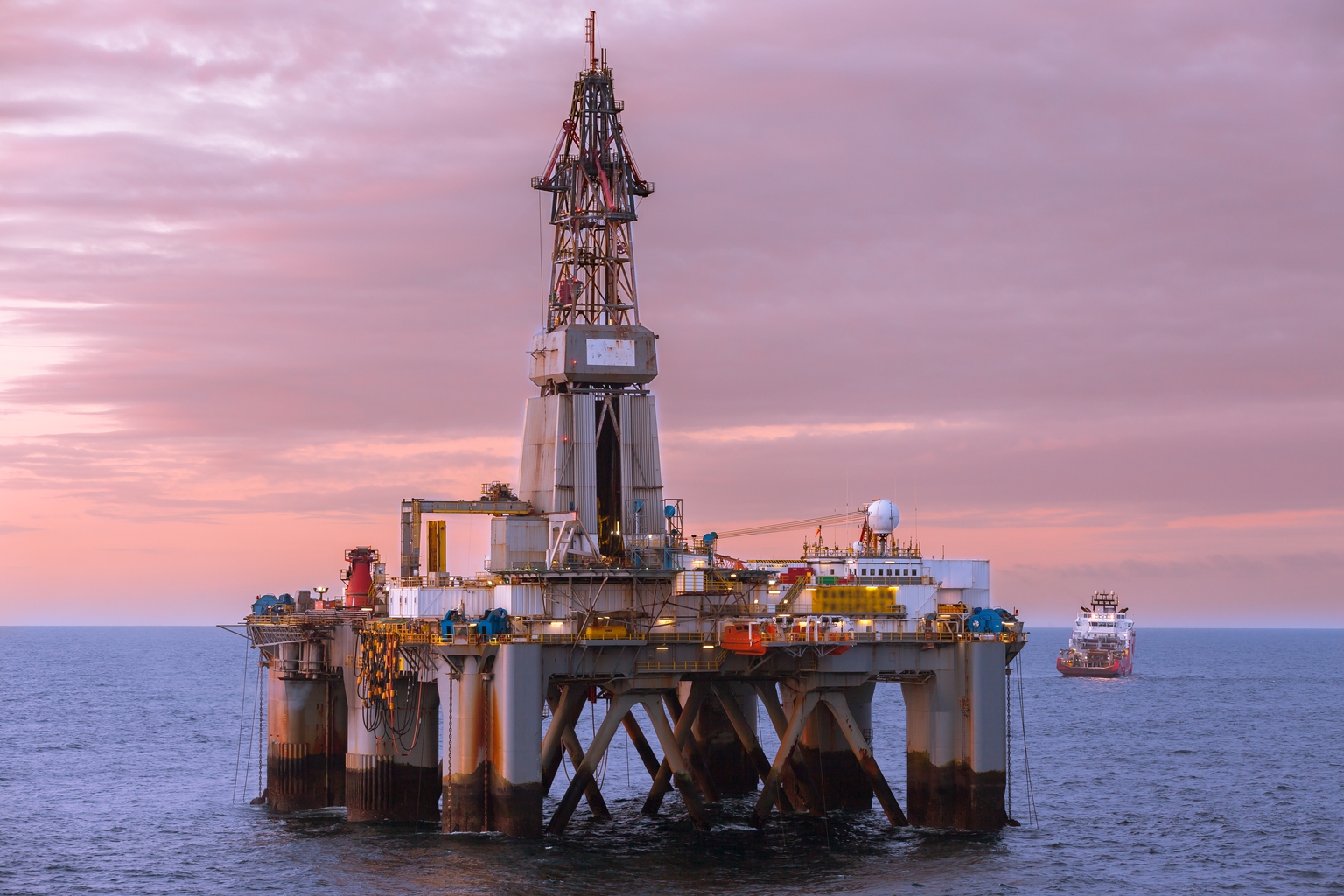
Transocean Ltd. is winning contracts at $375,000 a day for its newbuild drillships, down from the $450,000 levels seen a year ago, according to rig fleet data. The floater market is still digging out of the post-2014 glut. The implied pricing floor keeps getting lower.
The $75,000 gap matters because of the fleet's age profile. The average drillship in Transocean's active fleet is about nine years old. Five of its 11 newbuild-class rigs are on contract. Three of those are working at or near the $375,000 level. The other two are stacked, costing cash to maintain without generating revenue.
Goldman Sachs analysts in March flagged the floater market as "near a trough" in a note to clients, pointing to a slow recovery in deepwater project sanctions. That trough has been near for two years running. The real question for Transocean is whether the Valaris acquisition, which closed earlier this year, actually delivers the cost savings management promised. The combined fleet is 39 floaters, the largest in the sector. The integration is still early.
Transocean's second-quarter results are due in early August. The consensus calls for a $0.12 per share loss on $670 million in revenue. That revenue figure would be flat with the prior quarter, suggesting no pricing leverage yet from the Valaris deal.
The stock trades at 8.7 times trailing EBITDA, a discount to Valaris at 11.3 times and Noble Corp. at 10.1 times. That discount either reflects skepticism about the merger's synergy math or a market that sees 2025 before Transocean's cash flow turns positive. The next check-in is the August earnings call.