Stocks● Neutral
Total solar eclipse draws millions to Spain, Iceland
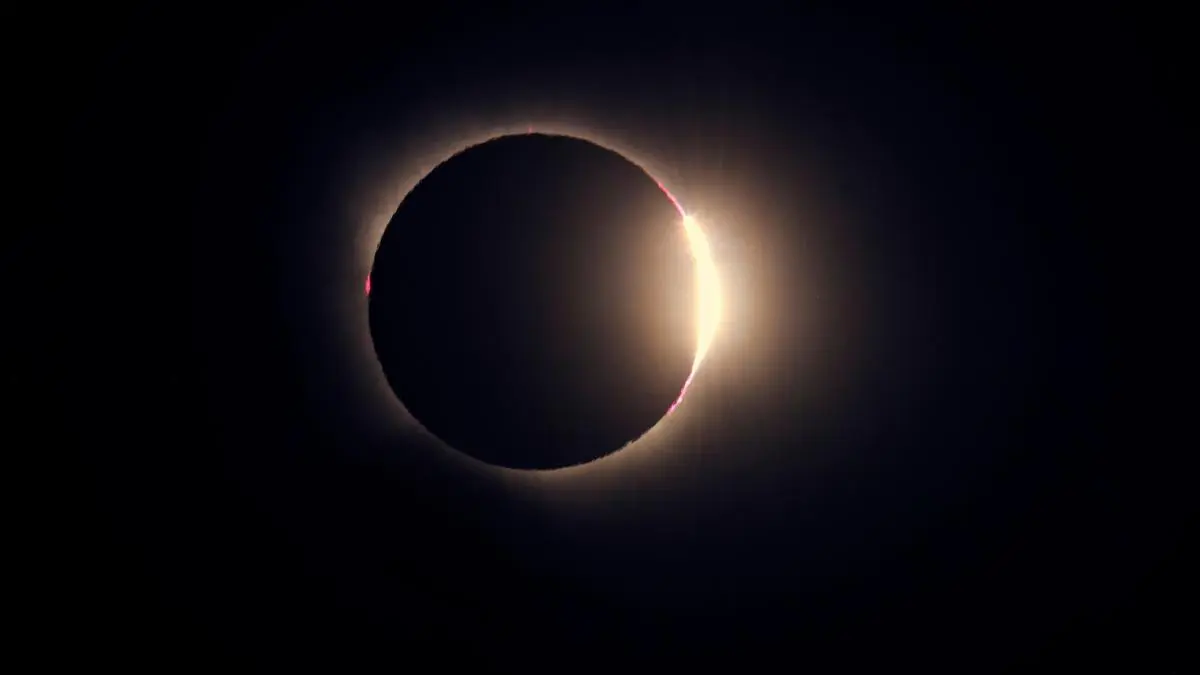
Western Europe's first total solar eclipse in 27 years drew up to 6 million visitors to northern Spain and 80,000 to Iceland. Spain deployed 25,000 police.
Continue with
The moon completely covered the sun over northern Spain on Wednesday evening, plunging the region into darkness for roughly a minute in Western Europe's first total solar eclipse in 27 years.
Viewers in Buitrago de Lozoya, a rural district north of Madrid, clapped and cheered as the sky dimmed and Baily's beads – bright points of sunlight that shine around the moon's edge during totality – appeared just after 8:30 p.m. local time.
"It's impressive how the colours return little by little after totality – first the reds, then the blues – just like at dawn and sunset, totally deceiving your brain," said Diego Fernandez, a 32-year-old economist who watched from the area.
Rafael Jiménez, 50, a Madrid resident, called the event science fiction. "It was an absurd scene; we even got soaked when the garden sprinklers kicked in," he said. "And then, just like that, we were watching the sunset again."
Spain deployed 25,000 police officers and set up special viewing sites in rural areas along the eclipse's path, which also crossed the Balearic Islands. Authorities expected up to 6 million visitors in mostly rural zones.
A small fire broke out near a viewing point in Peñíscola, in the Valencia region, local authorities said. It started in a vehicle and spread to 33 more before firefighters contained it. Emergency crews including aircraft responded. No wildfire linked to eclipse chasers had been reported as of Wednesday evening, authorities said.