The Supreme Court gave states six weeks to reply to a plea requiring shop owners to display identity, registration and employee details. Only five states have responded so far. The next hearing is in three months.
The Supreme Court on Wednesday gave states and union territories six weeks to respond to a petition that would require shop owners to display their identity, registration details and employee count.
A bench of Justices Vikram Nath and Sandeep Mehta was hearing a public interest litigation filed by lawyer and BJP leader Ashwini Kumar Upadhyay. Only Haryana, Punjab, Bihar, Assam and the Andaman and Nicobar Islands have filed responses so far, Upadhyay told the court. The next hearing is in three months.
The petition asks every shop to post its name, address, contact information and registration number at the entrance, visible to consumers. The 2019 Consumer Protection Act gives buyers the right to pursue complaints about defective products or deficient services. Upadhyay argued that consumers cannot use that right without knowing who they are dealing with.
"Every consumer has a right to know about not only the quality, quantity, potency, purity standards, manufacturing and expiry date, BIS/FSSAI certification, but also the details of distributors, dealers, sellers and shop owners," the petition said. It called the disclosure a prerequisite for seeking redressal against unfair trade practices.
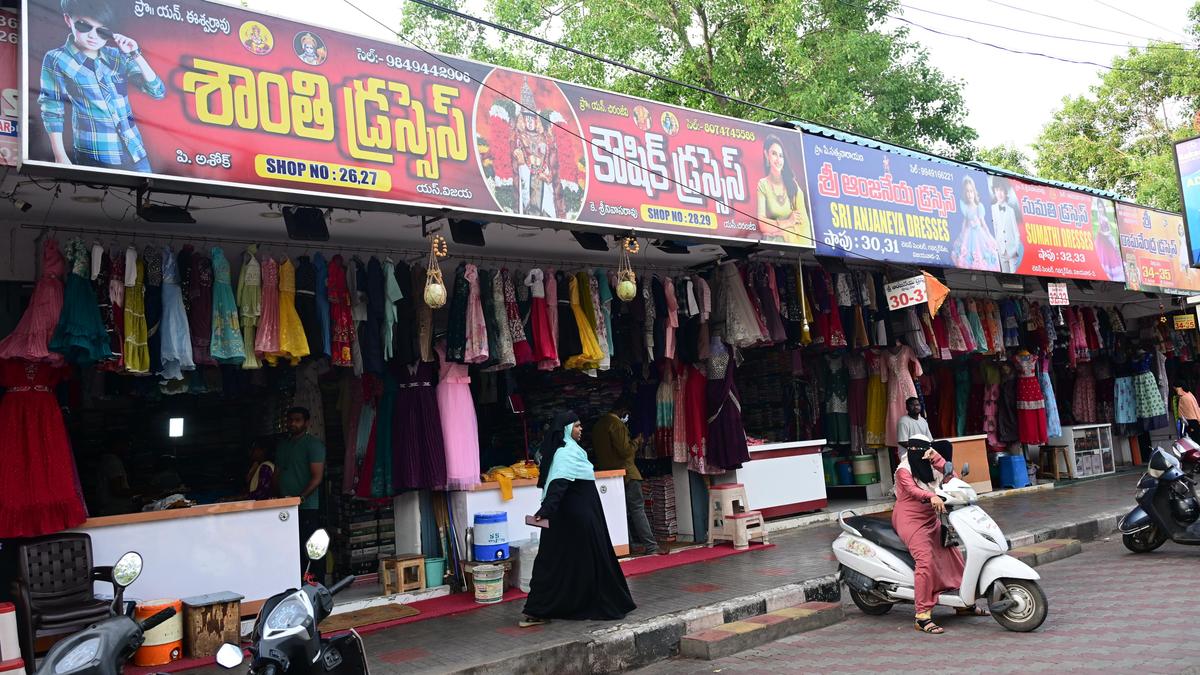
The case gets at a structural gap in Indian retail. Small shops, roadside vendors and unregistered dealers often operate without posted credentials. A ruling in Upadhyay's favor would require those establishments to publish their registration status, potentially bringing millions of informal retail points under formal consumer-disclosure rules.
Consumer-rights cases in India tend to move slowly through the courts. The six-week window and the three-month adjournment suggest the bench is treating this as a procedural matter for now. The real test will come when states file their positions. Some may argue the requirement burdens small traders without proportionate consumer benefit. Others may back the transparency push.
Upadhyay has filed several public interest litigations on consumer and governance issues. His previous cases include a plea for voter-verifiable paper audit trails on all EVMs and a petition seeking a ban on political parties promising freebies during elections. The shop-disclosure case follows the same pattern: a statutory right exists on paper, he argues, but the enforcement mechanism is missing without mandated information at the point of sale.
The petition also argued that informed choice is a consumer right under the 2019 Act. "Each consumer has right to be informed about quality, quantity, potency, purity, standard and price of goods and services to protect him against unfair trade practices, restrictive trade practices and unscrupulous exploitation," it said.
Drafted by a large language model from the source reporting linked above, then screened by automated publishing checks. It is not read by a journalist before publication. Some articles cite our Alpha Score. Verify prices and figures against the original source. Educational coverage, not personalized advice.