Princeton Review ranks top 10 schools for financial aid. Princeton University offers the lowest out-of-pocket cost at $10,787 after average need-based scholarship of $80,837.
With some colleges now charging more than $100,000 a year, cost remains the single biggest barrier to entry for prospective students, recent studies show. Families seldom pay the sticker price. Students and their parents spent closer to $35,000 on average on college costs–tuition, fees, books, room and board, technology and other expenses–during the 2025-26 academic year, according to Sallie Mae's How America Pays for College report. In most cases, families tap savings and cobble together other resources, including scholarships, second jobs, and federal or private student loans.
Of all possible sources, merit aid is an underutilized resource, said Robert Franek, editor-in-chief at The Princeton Review. Beyond federal assistance from the U.S. Department of Education and state aid, many schools are increasingly offering students more scholarship funds. These are grants, money that students don't have to pay back. "That is significant," Franek said.
Between the 2014-15 and 2024-25 academic years, institutional grant aid rose by 24% to $85.1 billion. During 2024-25, institutional money accounted for about half of all grant aid for undergraduate and graduate students, according to the College Board, which tracks pricing and student aid trends.
Financial aid is increasingly influencing college decisions. Nearly 89% of students said they would have chosen a different college for more scholarship aid, according to a report by education software company Ellucian, based on a survey of more than 2,000 current and prospective college students in the U.S.
The Princeton Review ranked colleges by how generous their financial aid awards are and how satisfied students are. The 2027 edition of its Best Colleges guide is based on surveys of 170,000 students during the 2025-26 academic year. Sticker prices are based on the upcoming school year as of June.
The colleges that ranked highest met students' growing need for assistance, Franek said. "There is money out there, great big buckets of money," he added.
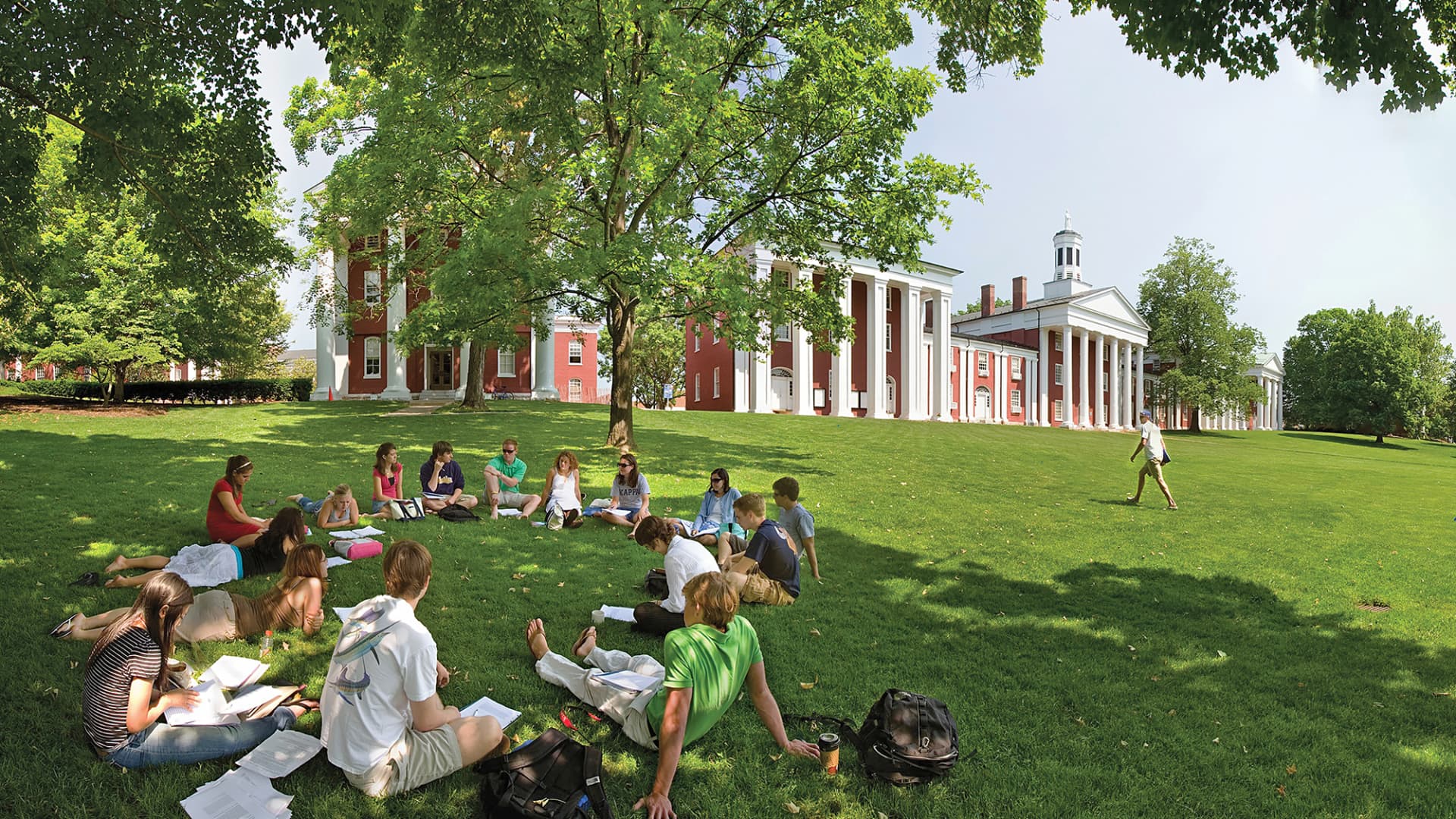
Washington and Lee University is the most expensive school on the list with a sticker price near six figures. The school's average need-based scholarship is nearly $72,000, which brings the total out-of-pocket cost to around $25,000, according to The Princeton Review. Its spokesperson Drewry Sackett said Washington and Lee meets the full financial need of its students without loans, remains need-blind in admissions, and provides full-ride Johnson Scholarships to 10% of each entering class.
| Rank | College | Location | Sticker Price | Avg Need-Based Scholarship | Out-of-Pocket Cost | Need Met for First-Year Students |
|---|---|---|---|---|---|---|
| 1 | Washington and Lee University | Lexington, VA | $97,335 | $71,985 | $25,350 | 100% |
| 2 | Juniata College | Huntingdon, PA | $78,700 | $19,336 | $59,364 | 90% |
| 3 | Princeton University | Princeton, NJ | $91,624 | $80,837 | $10,787 | 100% |
| 4 | Amherst College | Amherst, MA | $93,090 | $76,445 | $16,645 | 100% |
| 5 | Reed College | Portland, OR | $91,048 | $57,550 | $33,498 | 100% |
| 6 | Vanderbilt University | Nashville, TN | $95,374 | $75,271 | $20,103 | 100% |
| 7 | Gettysburg College | Gettysburg, PA | $90,070 | $55,859 | $34,211 | 90% |
| 8 | Franklin W. Olin College of Engineering | Needham, MA | $89,686 | $56,968 | $32,718 | 99% |
| 9 | St. Olaf College | Northfield, MN | $82,200 | $56,959 | $25,241 | 100% |
| 10 | Lafayette College | Easton, PA | $92,382 | $54,046 | $38,336 | 100% |
The Princeton Review's 2027 edition is based on surveys of 170,000 students during the 2025-26 academic year.
Drafted by a large language model from the source reporting linked above, then screened by automated publishing checks. It is not read by a journalist before publication. Some articles cite our Alpha Score. Verify prices and figures against the original source. Educational coverage, not personalized advice.