Tiny Home for $43,779: Five Things to Consider Before Building
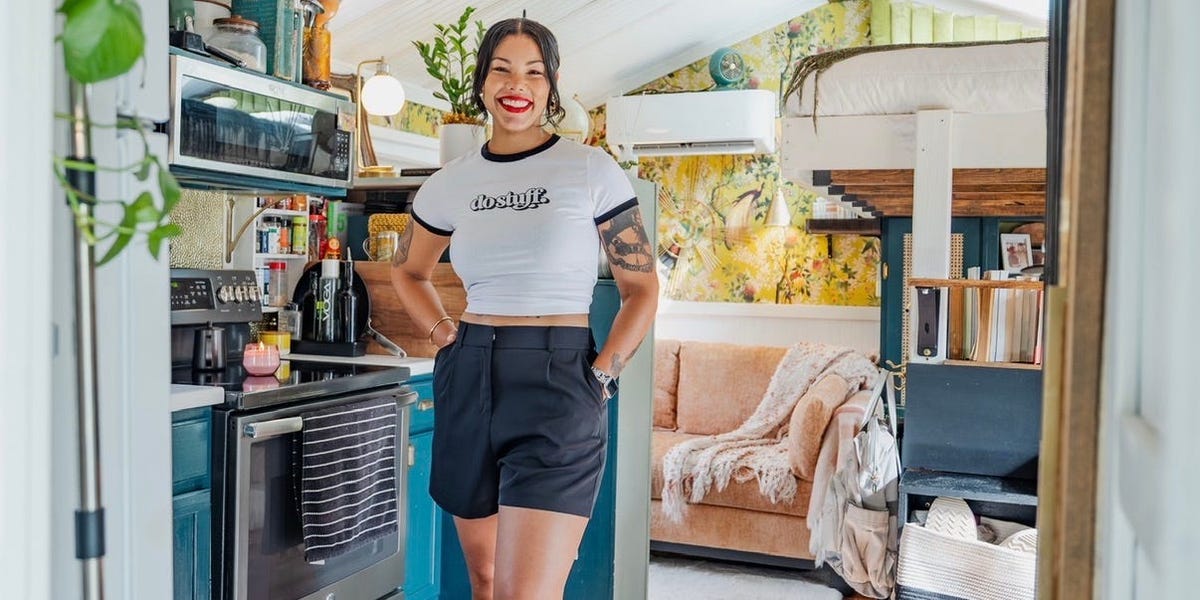
Margo Fairchild spent 15 months and $43,779 building her 240-square-foot tiny home. Hidden costs, zoning rules, and downsizing are the factors to weigh first.
Margo Fairchild started building a tiny home in 2020 with no construction background. She leaned on YouTube videos and homebuilding forums, and posted progress on Instagram. Architects and builders from around the world reached out with advice when she had questions. The project took 15 months and cost $43,779, more than she expected. The finished house is 240 square feet with one bedroom and one bathroom.
The payoff came after the build. The home appeared on tiny-home YouTube channels and local news outlets, which led to a hosting role on HGTV's "Worst Yard on the Block." Fairchild told Business Insider that the project changed how she thinks about perfectionism and taught her resilience. "Building this tiny home has changed everything about my life," she said. "It completely changed my perspective on how I look at perfectionism, and taught me so much about resilience, tenacity, and pushing through."
Tiny homes, typically under 400 square feet, cost between $30,000 and $60,000 to build, according to Rocket Mortgage. Those figures can leave out permit fees and the cost of an architect or builder. Fairchild financed construction from savings and her paychecks. "Basically, any paycheck I had during that time went toward construction," she said. "Almost immediately, my budget flew out the window."
Her advice for anyone attempting the same: write out every cost before starting, down to screws and nails. "When people are building these things by themselves, there are just all of these tiny miscellaneous costs that are going to add up that you just wouldn't have even anticipated," she said.
Tiny-home rules vary by state and local jurisdiction, Fairchild said. Some places allow a tiny home on wheels while barring one on a foundation; others do the reverse. Fairchild advised researching local ordinances early and picking the format that fits the property. "There are pros and cons to both," she said. "With one on wheels, you can sometimes get insurance for it, and, depending on local rules, you may face fewer zoning and permitting hurdles. But then you have to consider where you'll park it, whether you'll be charged rent for the land, and what utilities you'll need to retrofit so that you can be off-grid if necessary."
Inside the house, Fairchild designed around nonnegotiables. Ceilings needed to be high enough for her to exercise at home. "I like to work out," she said. "There's a gym down the street, but if it's snowy or rainy and I don't want to go, I need room to work out in my house." Fairchild said it's important to design around the way you actually live. "How do you live? What are the things that you like to do inside your home every day that you don't want to give up?" she said. "I would say incorporate the things you absolutely cannot live without, so you don't feel like you're giving up anything. You have to be happy."
Fairchild moved from a normal-sized home and had to let go of furniture and clothes. The 240-square-foot floor plan still does not hold everything; winter clothes and craft supplies stay in a storage unit or at her mother's home. Her advice is to measure before designing around an idea. "People are often downsizing from a regular-size house, and they have a lot of stuff," she said. "Instead of just designing a tiny house and thinking, 'Oh, this looks cute,' set out all the things you think you'll need in your home. I'm not kidding, measure the cubic footage of your stuff."
Sharing a small space with someone can bring frustrations, Fairchild said, so it's something to consider from the start. "If you're building a life with someone and you're going to be living together, make sure your relationship is rock solid, or learn tactics for being kind and patient with each other and taking space when you need it," she said.
Drafted by a large language model from the source reporting linked above, then screened by automated publishing checks. It is not read by a journalist before publication. Some articles cite our Alpha Score. Verify prices and figures against the original source. Educational coverage, not personalized advice.