Stocks● Neutral
Three TASI Stocks Hit 52-Week Lows – What to Watch Next
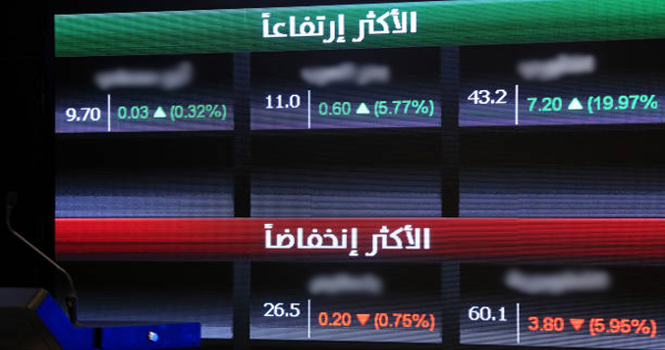
Three TASI stocks hit 52-week lows on June 8. The cluster signals a common factor. Watch volume and follow-through before acting.
Continue with
Three stocks on the Saudi Stock Exchange (TASI) fell to 52-week lows on June 8, according to data compiled by Argaam. A cluster of three names touching the same price floor on the same session is unusual. It forces a decision: treat the lows as a buying opportunity or a warning to stay away.
A 52-week low means the stock is trading at its cheapest price relative to the trailing 365-day window. That is a fact. What it means for the next leg depends on the mechanism behind the move, the liquidity in those names, and the broader TASI trend. The simple read – buy because it is cheap – often fails. The better read asks whether the low reflects a one-time shock, a structural shift, or simple drift.
What a Three-Stock Low Cluster Signals
Three stocks hitting lows on the same date is a higher-probability event than a single name doing so. It points to a common factor: sector-wide selling, a macro headwind, or a sentiment flip. Because the source does not name the specific companies, traders must watch for any sector concentration in the three names. If all three come from the same industry (petrochemicals, banks, retail), the low is likely a sector call, not a stock-specific problem. If they are spread across sectors, the cause is probably macro pressure or a broad de-risking move in TASI.
Naive interpretation: “Stocks are on sale.” Experienced interpretation: A 52-week low is a level where buyers have been absent for a full year. The volume on June 8 becomes the first clue. Heavy volume suggests capitulation – sellers finally exiting at any price. Thin volume suggests the low is just a drift lower with no conviction, and the stock may slide further without a catalyst.
Why the Low Alone Is an Incomplete Signal
A 52-week low creates a two-sided setup. On one side, the stock may be forming a support zone that buyers defend. On the other side, it may be breaking down into a new lower range. The market logic:
- If the low is a false breakdown (price falls briefly below a prior support, then snaps back), it can trap short sellers and fuel a reversal.
- If the low is a breakdown with follow-through (price closes below the level and stays there for multiple sessions), the next support could be much lower.
The risk-to-reward calculation changes depending on the type of low. A false breakdown offers a tight stop – the low itself – with a potential swing higher. A breakdown with follow-through offers no clear floor.