Stocks● Neutral
Theia's 3D motion tech tracks hospital injury risk in study
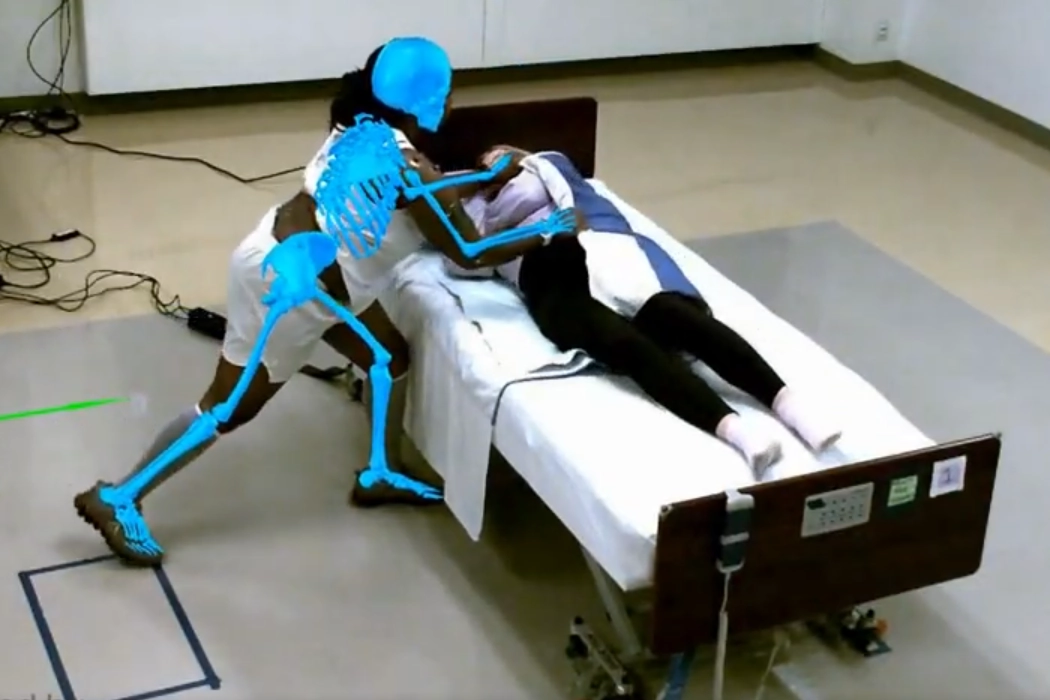
Theia's markerless 3D motion tech is helping New Brunswick researchers measure whether a patient-turnover device reduces physical strain. Results due December 2026.
Continue with
Toronto-based Theia's 3D motion-capture technology is being used in a Canadian study that could help healthcare workers avoid one of the most common workplace injuries in the country.
The company said Tuesday it is working with researchers at the University of New Brunswick and the Université de Moncton to evaluate whether a patient-turnover device called Vendlet, made by European company DHG Denmark, reduces physical strain on caregivers. The study is funded by the Workers' Compensation Board, WorkSafe Saskatchewan and nonprofit Mitacs.
Musculoskeletal injuries are a leading cause of time loss in Canada's workers' compensation system, according to the BC Nurses' Union. Patient lifts and transfers place intense strain on the lower back. Vendlet was previously shown to reduce physical strain during patient repositioning, but the device has not been proven in a Canadian clinical setting.
The researchers are tracking healthcare workers as they use Vendlet to reposition "simulated patients" – research team members posing as patients. By comparing motion data from caregivers who used the device with those who did not, the study aims to measure whether the action becomes less physically demanding.
Theia's machine learning platform generates 3D biomechanical data from video alone, without requiring markers or attachments on the people being observed. That lets researchers measure movement across a large number of trials with less time and effort.