Macro● Neutral
India’s 33% Quota Law: Reshaping the Political Landscape
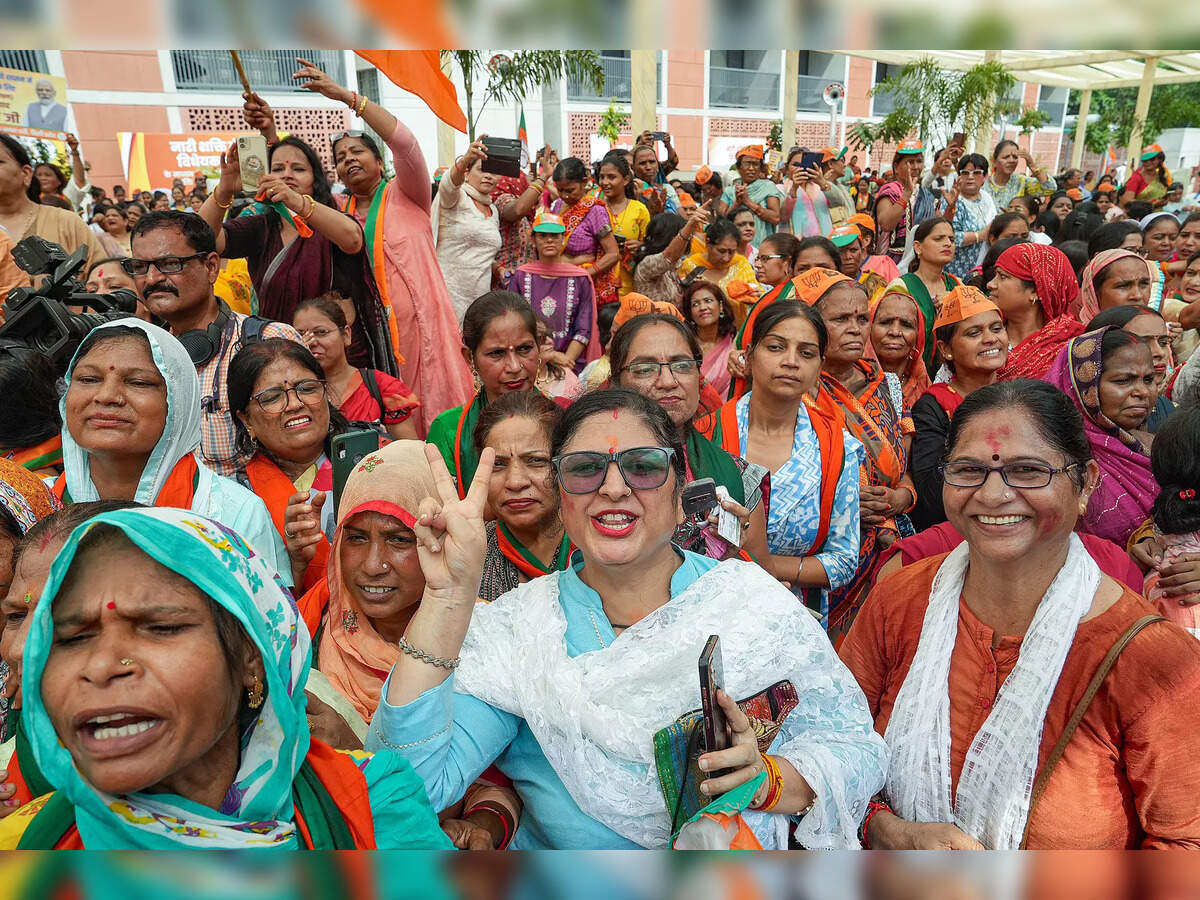
Mandating one-third female representation by 2029, this structural reform aims to shift fiscal priorities toward health, education, and long-term GDP growth.
Continue with
A Structural Shift in Democratic Representation
India is poised to undergo a significant transformation in its legislative architecture as the government moves toward the implementation of the Nari Shakti Vandan Adhiniyam. This landmark legislation, designed to reserve one-third of seats for women in the Lok Sabha (the lower house of Parliament) and state legislative assemblies, represents a pivotal attempt to rectify a long-standing disconnect between India's democratic participation and its governance structure.
For decades, India has witnessed a robust surge in female voter turnout, often matching or exceeding male participation in national elections. However, this demographic momentum has failed to translate into proportional representation within the halls of power. The Nari Shakti Vandan Adhiniyam is the state's strategic response to this disparity, aiming to move women from the periphery of policy-making to the center stage of national leadership.
The Urgency of Implementation
While the legislation has garnered broad political support, the focus is now shifting toward the mechanics of execution. Government officials are currently evaluating pathways to expedite the rollout, with internal discussions centering on the feasibility of aligning the full implementation with the 2029 general election cycle.
This timeline is critical for institutional investors and macro-analysts monitoring India’s political stability. By signaling a clear path toward implementation, the administration is reinforcing its commitment to inclusive growth—a factor often cited by global credit rating agencies and institutional stakeholders as a prerequisite for long-term socioeconomic stability. The legislative push suggests that the government is prioritizing structural reforms that could improve the efficiency and representative quality of India’s legislative bodies over the coming decade.