Macro● Neutral
Trump Naval Blockade Threat Sparks Crude Oil Volatility Risk
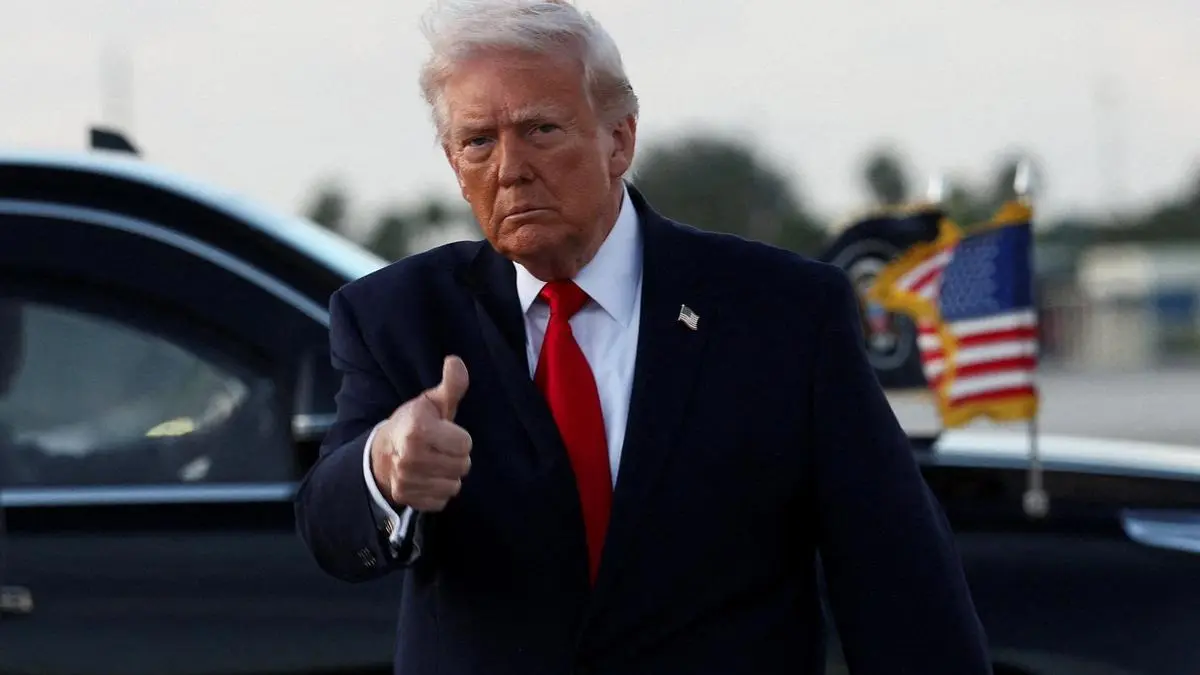
With 20% of global oil passing through the Strait of Hormuz, traders are pricing in potential supply shocks. Watch for rising war-risk insurance premiums.
Continue with
Escalating Rhetoric in the Strait of Hormuz
Global energy markets and geopolitical strategists are recalibrating their risk assessments following reports that former President Donald Trump has signaled support for the enforcement of a naval blockade against Iran. The proposal, which emerged through a shared article referencing expert opinions, highlights a potential shift in hardline policy toward Tehran as diplomatic pathways regarding the critical Strait of Hormuz remain effectively stalled.
For traders, the mention of a naval blockade is a significant development. The Strait of Hormuz serves as the world’s most critical oil chokepoint, with approximately 20% of global petroleum liquid consumption passing through these narrow waters daily. Any credible threat to restrict or monitor maritime traffic in this region creates immediate upward pressure on crude oil volatility and historical risk premiums.
The Context of Stalled Diplomacy
The current impasse in peace talks regarding the Strait of Hormuz has left a significant vacuum in regional security. While international efforts to stabilize the region have persisted, the lack of progress has emboldened advocates for more aggressive maritime interdiction strategies. By circulating expert commentary suggesting that a naval blockade is a viable option, Trump is signaling a return to a “maximum pressure” style of foreign policy that defined his previous administration’s stance toward the Islamic Republic.
Historically, the threat of conflict in the Persian Gulf has acted as a primary driver for “fear-based” buying in the energy sector. Unlike routine diplomatic friction, the specific mention of a naval blockade—a direct act of economic warfare—suggests a transition from soft-power containment to hard-power disruption. Market participants are now forced to factor in the possibility of a prolonged maritime confrontation, which would likely result in an immediate supply shock.