Back to Markets
Macro● Neutral

Diplomatic Impasse: Iran-U.S. Negotiations in Pakistan Collapse Over 'Excessive Demands'

April 12, 2026 at 06:07 AMBy AlphaScalaSource: thehindubusinessline.com
Diplomatic Impasse: Iran-U.S. Negotiations in Pakistan Collapse Over 'Excessive Demands'
CL

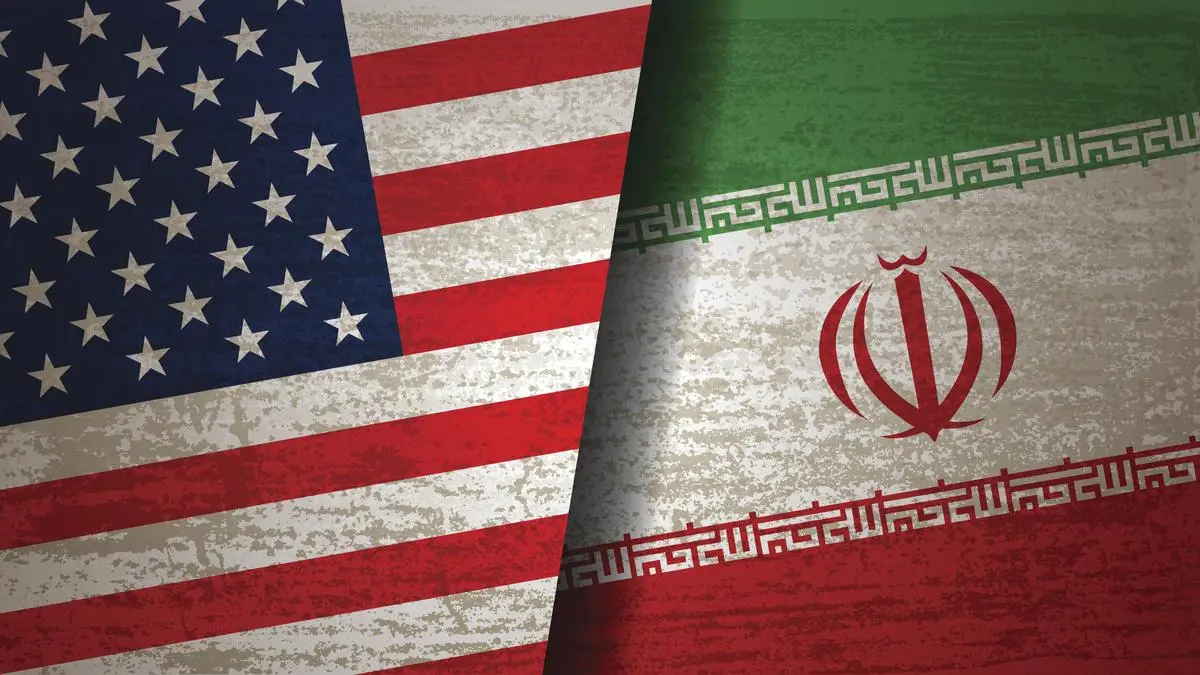
High-stakes negotiations between Iran and the U.S. in Pakistan have concluded without an agreement, with Tehran blaming 'excessive demands' from the American delegation for the stalemate.

A Stalled Breakthrough

Geopolitical tensions in the Middle East reached a fresh inflection point this weekend as high-stakes negotiations between Iranian and American officials, hosted in Pakistan, concluded without a breakthrough. A senior Iranian official confirmed on Sunday that the talks ended abruptly, citing what Tehran characterized as "excessive demands" from the U.S. delegation as the primary catalyst for the breakdown.

The collapse of these discussions underscores the enduring fragility of the diplomatic channel between Washington and Tehran. For market participants, the failure to reach a common ground serves as a stark reminder of the persistent risk premium currently embedded in energy markets and regional stability metrics.

The Context of the Stalemate

The choice of Pakistan as a neutral venue for these talks had initially sparked cautious optimism among regional analysts, suggesting a potential thaw in the icy relations between the two nations. However, the official Iranian statement suggests that the gap between the two sides remains wide. By framing the American position as "excessive," Tehran has effectively signaled that it is unwilling to concede on core strategic points, likely involving enrichment caps, regional proxy influence, or the lifting of existing economic sanctions.

Historically, negotiations of this nature are rarely linear. However, the public nature of this failure—specifically the explicit mention of "excessive demands"—suggests that both parties are currently more focused on domestic signaling than on achieving a compromise. For the U.S., the challenge remains balancing a policy of "maximum pressure" while attempting to prevent an escalation that could disrupt global supply chains.

Market Implications and Risk Analysis

For traders and macro investors, the breakdown in these talks is inherently bullish for volatility, particularly within the energy sector. Iran remains a significant player in the global oil landscape, and any news regarding the potential for renewed sanctions enforcement or, conversely, a path toward re-entering global markets, directly impacts Brent and WTI pricing models.

When diplomatic channels close, the market tends to price in a higher probability of supply disruptions. Even if the immediate physical flow of oil remains unchanged, the geopolitical risk premium often expands, leading to increased hedging activity and wider bid-ask spreads in energy futures. Investors should monitor how this stagnation influences the stance of regional stakeholders and whether the U.S. responds with further tightening of sanctions, which would likely act as a catalyst for further price appreciation in crude markets.

What to Watch Next

Moving forward, the focus shifts to the rhetoric emerging from the White House and the Iranian Foreign Ministry. Traders should look for signs of whether this is a permanent collapse of the current negotiation track or merely a tactical pause.

Key indicators to monitor include:

  • Shifts in tanker tracking data, which often signal whether Iran is attempting to circumvent existing sanctions.
  • Statements from regional mediators who may attempt to revive the dialogue.
  • Any sudden changes in the U.S. Treasury’s enforcement posture regarding Iranian oil exports.

As the situation remains fluid, the market will likely remain hyper-sensitive to any headlines emanating from Tehran or Washington. With no deal on the table, the baseline expectation for the coming weeks is a continuation of the status quo, punctuated by intermittent bouts of geopolitical volatility.