The transition from traditional equity-heavy retirement models to fixed-income-centric structures is gaining momentum as the yield environment stabilizes at higher levels. Investors are increasingly prioritizing the certainty of cash flows over the volatility inherent in broad market indices. This shift reflects a strategic pivot toward zero-coupon Treasury ladders, which allow for the locking in of yields that provide a predictable path to capital appreciation over multi-decade horizons.
The Mechanics of Yield Locking
Zero-coupon bonds function as a direct mechanism for mitigating sequence-of-returns risk. By purchasing these instruments at a discount to par value, investors secure a fixed internal rate of return that is immune to interim market fluctuations. This approach contrasts sharply with the equity-linked strategies that have dominated retirement planning for the past decade. The primary advantage lies in the elimination of reinvestment risk, as the cash flow is predetermined at the point of purchase.
This strategy serves as a foundational layer for portfolios that require high levels of capital preservation. When compared to the SPY stock page, which currently carries an Alpha Score of 39/100 and a Mixed label, the Treasury-ladder approach offers a lower-beta alternative for long-term wealth accumulation. While equities remain a component of growth-oriented portfolios, the current rate environment allows for a core allocation that functions independently of corporate earnings cycles or broader market sentiment.
Transmission to Broader Asset Allocation
The preference for high-yield, low-risk duration assets creates a distinct pressure on equity valuations. As retirees and institutional allocators shift capital toward fixed-income instruments, the demand for dividend-paying equities often faces a re-rating. This is particularly relevant for sectors like utilities, where SO stock page maintains an Alpha Score of 43/100, and financials, where ALL stock page shows a stronger Alpha Score of 70/100. The relative attractiveness of these assets is now measured against the risk-free rate provided by the Treasury curve.
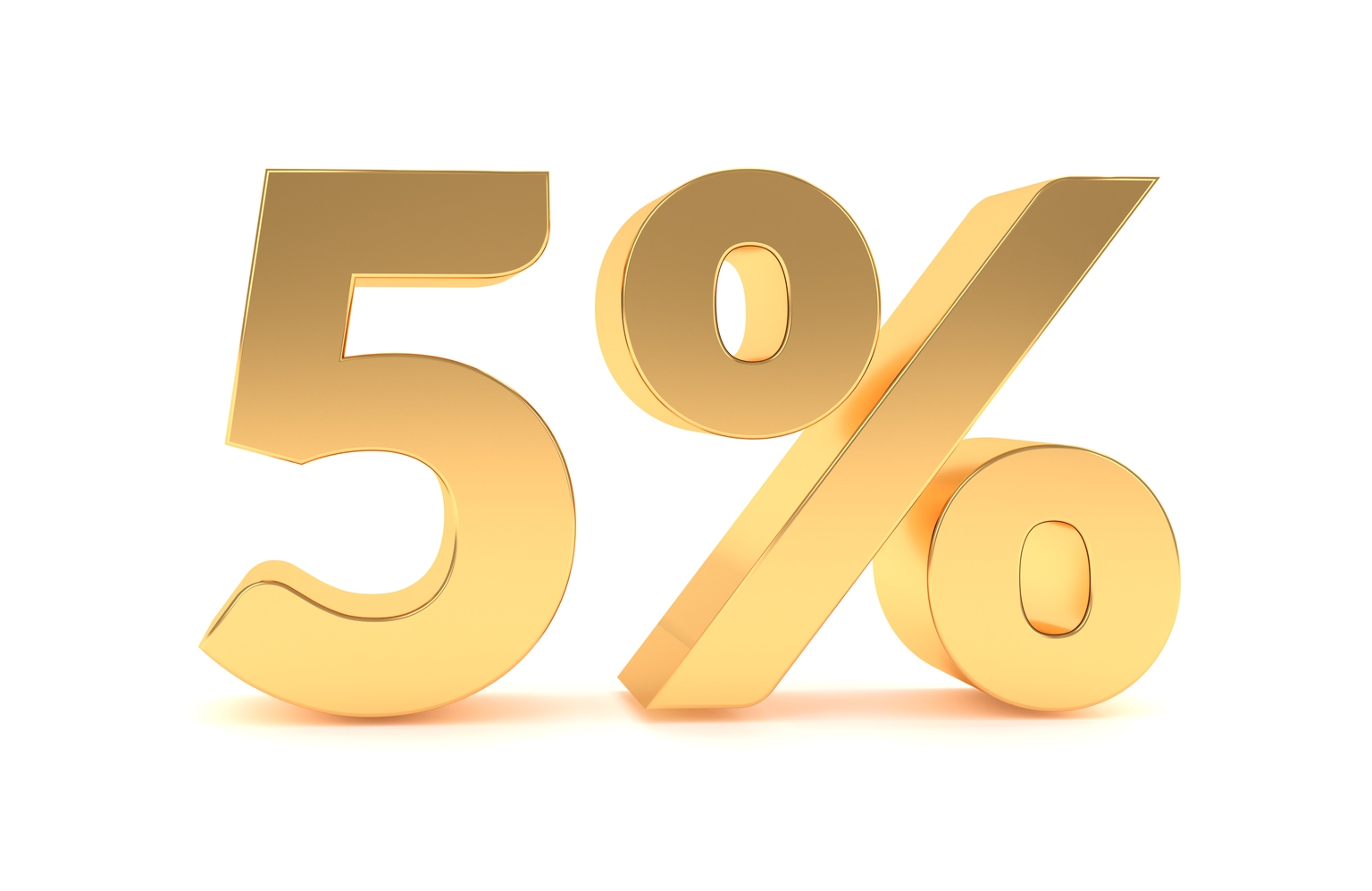
The shift is not merely a reaction to current yields but a structural adjustment to the long-term outlook for interest rates. By locking in a 5% yield, investors are effectively hedging against the potential for future volatility in equity markets. This strategy effectively creates a floor for portfolio performance, allowing for a more disciplined approach to risk management in the face of uncertain macroeconomic conditions. For further context on how these shifts impact broader market trends, see our market analysis.
Future portfolio construction will likely hinge on the spread between these risk-free yields and the equity risk premium. As the market continues to digest the implications of a higher-for-longer rate environment, the next concrete marker will be the upcoming Treasury auction results and any subsequent adjustments to the yield curve. These data points will dictate the viability of long-duration ladders as a primary retirement vehicle versus a tactical hedge.