Back to Markets
Stocks● Neutral

The Shift Toward Urban AI Inference Infrastructure

The Shift Toward Urban AI Inference Infrastructure
AONHUBSAS

The AI infrastructure narrative is shifting from remote training facilities to urban-adjacent inference centers, evidenced by a $2 billion capital raise in Texas.

AlphaScala Research Snapshot
Live stock context for companies directly referenced in this story
Alpha Score
55
Moderate

Alpha Score of 55 reflects moderate overall profile with moderate momentum, moderate value, moderate quality. Based on 3 of 4 signals — score is capped at 90 until remaining data ingests.

Alpha Score
45
Weak

Alpha Score of 45 reflects weak overall profile with strong momentum, poor value, poor quality, weak sentiment.

Technology
Alpha Score
31
Poor

Alpha Score of 31 reflects weak overall profile with poor momentum, poor value, moderate quality, moderate sentiment.

Consumer Cyclical
Alpha Score
47
Weak

Alpha Score of 47 reflects weak overall profile with moderate momentum, poor value, moderate quality. Based on 3 of 4 signals — score is capped at 90 until remaining data ingests.

This panel uses AlphaScala-native stock data, separate from the source wire linked above.

The narrative surrounding data center development is undergoing a structural pivot. While the initial phase of the artificial intelligence boom prioritized massive, remote facilities designed for large-scale model training, the industry is now shifting its capital toward urban-adjacent infrastructure. This transition is driven by the growing demand for AI inference, which requires lower latency and closer proximity to end users and enterprise hubs.

The Infrastructure Pivot to Urban Centers

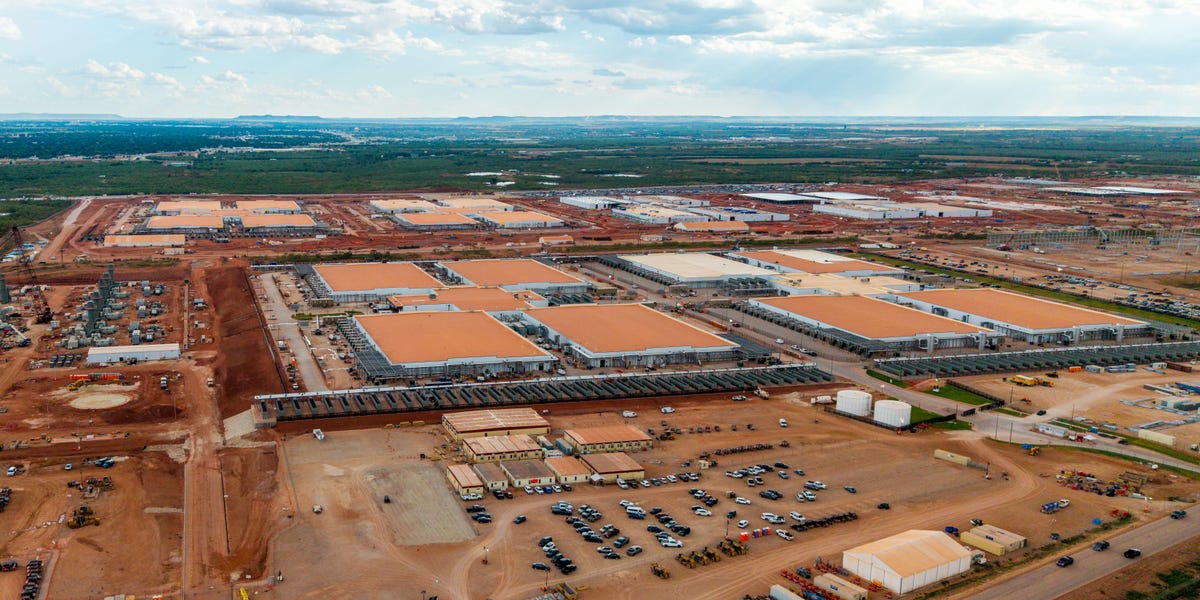
Texas has emerged as the primary testing ground for this evolution. Developers are moving away from the isolated, massive-scale sites that dominated the early training phase of the AI cycle. The focus is now on smaller, more agile facilities that can support the high-density power requirements of inference workloads while remaining within reach of metropolitan power grids and fiber networks. This geographic shift suggests that the next wave of capital expenditure will favor locations that balance proximity to population centers with the specialized electrical capacity needed for high-performance computing.

Recent financing activity confirms this trend. A major Texas-based developer has secured $2 billion in new capital specifically earmarked for this urban-centric strategy. This influx of funding highlights a broader recognition that the physical footprint of AI is becoming as critical as the software itself. By positioning these facilities closer to cities, developers aim to solve the latency challenges that currently hinder real-time AI applications in finance, healthcare, and logistics.

Sector Read-Through and Valuation Dynamics

This trend creates a distinct divergence in the infrastructure sector. Companies that specialize in large-scale, remote power management may face a cooling period as demand shifts toward localized grid integration. Conversely, firms involved in urban land acquisition, specialized cooling technology, and high-speed connectivity are likely to see their project pipelines expand. The ability to navigate local zoning laws and municipal power constraints is becoming a primary competitive advantage for developers in this space.

Investors should monitor how this shift impacts the broader stock market analysis regarding utility providers and real estate investment trusts. As these urban data centers require significant upgrades to local distribution networks, the relationship between developers and regional utility providers will become a key indicator of project viability. The $2 billion capital raise serves as a signal that the market is moving past the experimental phase of AI infrastructure and into a period of aggressive, localized deployment.

AlphaScala Data Context

Market participants evaluating the hardware and infrastructure ecosystem can monitor current sentiment through our platform metrics. For instance, ON stock page currently holds an Alpha Score of 45/100, reflecting a mixed outlook within the technology sector. Similarly, A stock page maintains a score of 55/100, indicating moderate positioning as the industry adjusts to these changing capital allocation priorities. These scores provide a baseline for how individual technology and industrial firms are being priced relative to the ongoing infrastructure build-out.

The next concrete marker for this trend will be the release of regional grid capacity reports and municipal permitting filings in major Texas hubs. These documents will reveal whether the current pace of capital deployment can be sustained by existing electrical infrastructure or if further, more complex regulatory hurdles will emerge. The speed at which these projects move from funding to ground-breaking will determine the pace of the next infrastructure cycle.

How this story was producedLast reviewed Apr 21, 2026

AI-drafted from named sources and checked against AlphaScala publishing rules before release. Direct quotes must match source text, low-information tables are removed, and thinner or higher-risk stories can be held for manual review.

Editorial Policy·Report a correction·Risk Disclaimer