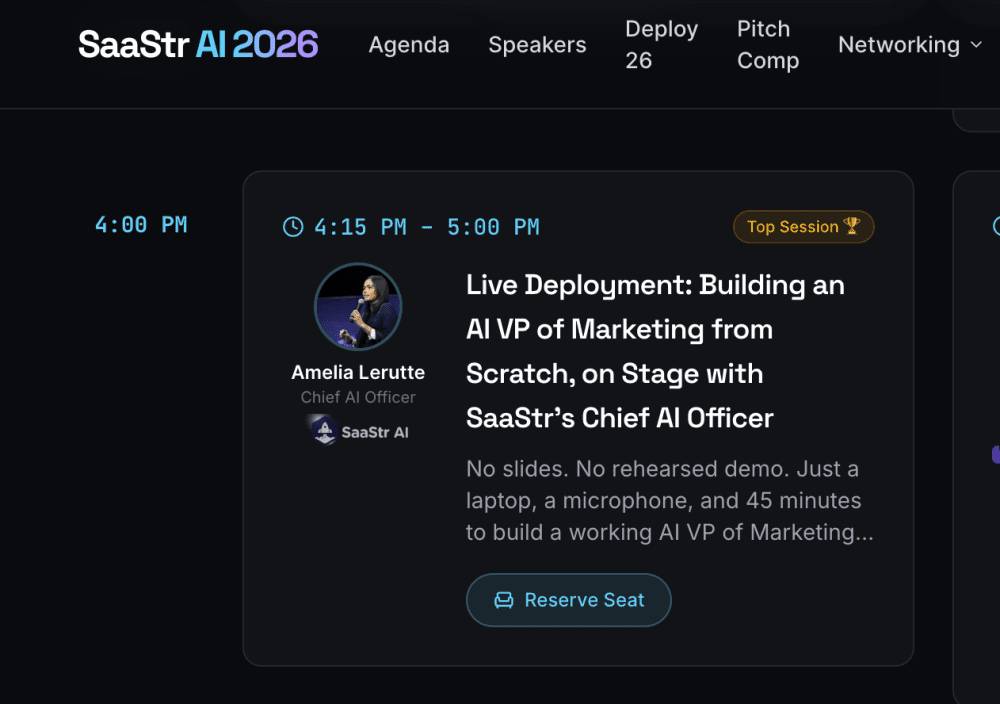
The recent deployment of three distinct marketing campaigns by an autonomous AI agent over the weekend signals a transition in how corporate strategy is executed. By bypassing traditional human-led workflows, the system demonstrated the ability to draft, size, and finalize complex marketing materials without manual oversight. This development moves beyond simple automation and into the realm of autonomous decision making for go-to-market functions.
The Mechanics of Autonomous Execution
The ability for an AI agent to ship campaigns independently relies on the integration of real-time data processing and generative output. When an system can identify a timeline, such as a 24-day window before a major industry event, and generate the necessary collateral to meet that deadline, the speed of iteration increases significantly. This shift reduces the friction between strategic planning and tactical deployment. Companies that adopt these autonomous workflows are effectively shortening their feedback loops, allowing for rapid testing of messaging and audience engagement strategies.
Implications for Operational Efficiency
Integrating AI into marketing operations changes the role of the human operator from a creator to a supervisor. When systems handle the heavy lifting of campaign drafting and sizing, the focus shifts to setting the parameters and constraints within which the AI operates. This transition is particularly relevant for firms managing high-volume outreach or those preparing for time-sensitive product launches. The efficiency gains are not merely incremental; they represent a fundamental change in how resources are allocated during peak periods of activity.
AlphaScala data currently reflects a mixed outlook for technology firms, with ON Semiconductor Corporation holding an Alpha Score of 45/100. As firms like NVIDIA continue to drive the underlying infrastructure for these autonomous agents, the broader stock market analysis suggests that the value proposition for investors is increasingly tied to the successful implementation of these tools rather than just the hardware supporting them.
The Next Decision Point
The next marker for this trend will be the performance metrics generated by these autonomous campaigns compared to human-led initiatives. As organizations move toward May 12, the focus will be on whether these AI-generated campaigns maintain brand consistency and conversion rates at scale. The ability to audit these autonomous decisions will become a critical component of corporate governance. Investors and stakeholders should look for disclosures regarding the integration of these systems into core business processes, as these will serve as the primary indicator of whether autonomous marketing provides a sustainable competitive advantage or merely a temporary efficiency boost.