Stocks● Neutral
Saudi Investment Bank Taps SAR 5 Billion Sukuk for Capital Boost
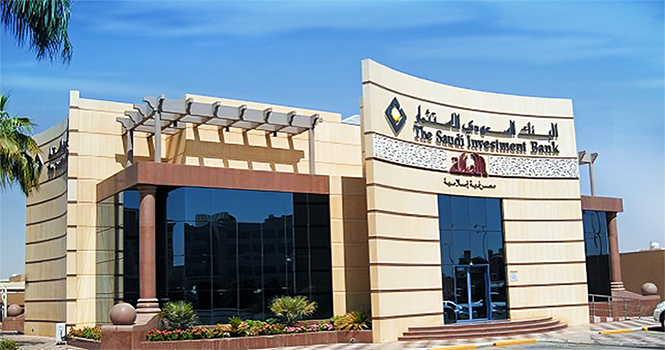
The Riyadh-based lender is issuing Tier 1 sukuk to strengthen regulatory capital ratios. Investors should monitor pricing against SAIBOR for yield signals.
Continue with
Strategic Capital Optimization
The Saudi Investment Bank (SAIB) has officially announced its intention to bolster its capital base through the issuance of Saudi Riyal (SAR)-denominated Tier 1 capital sukuk. The move, executed via a private placement, represents a calculated effort by the Riyadh-based lender to strengthen its regulatory capital ratios and optimize its balance sheet composition.
The issuance will be conducted under the bank’s existing SAR 5 billion sukuk program. By tapping into the local debt capital market, SAIB aims to secure perpetual instruments that qualify as Additional Tier 1 (AT1) capital under Basel III frameworks. For institutional investors, this represents a high-yield opportunity within the Saudi financial sector, providing exposure to a reputable banking entity while diversifying portfolios away from conventional debt instruments.
Contextualizing the Issuance
The decision to issue Tier 1 sukuk is not merely a liquidity play; it is a strategic maneuver common among Saudi banks looking to maintain robust Capital Adequacy Ratios (CAR) while pursuing aggressive lending growth. As the Kingdom of Saudi Arabia continues to push forward with its Vision 2030 initiatives, domestic banks are facing increased demand for project financing and corporate credit. Strengthening the Tier 1 capital base provides the necessary headroom for SAIB to expand its loan book without compromising its risk-weighted asset profile.
Saudi Arabia’s debt capital markets have seen significant maturation over the past several years, with local-currency sukuk becoming the preferred instrument for both issuers and investors. The use of a SAR-denominated structure allows SAIB to mitigate currency risk, aligning its capital base with its primary operating currency.