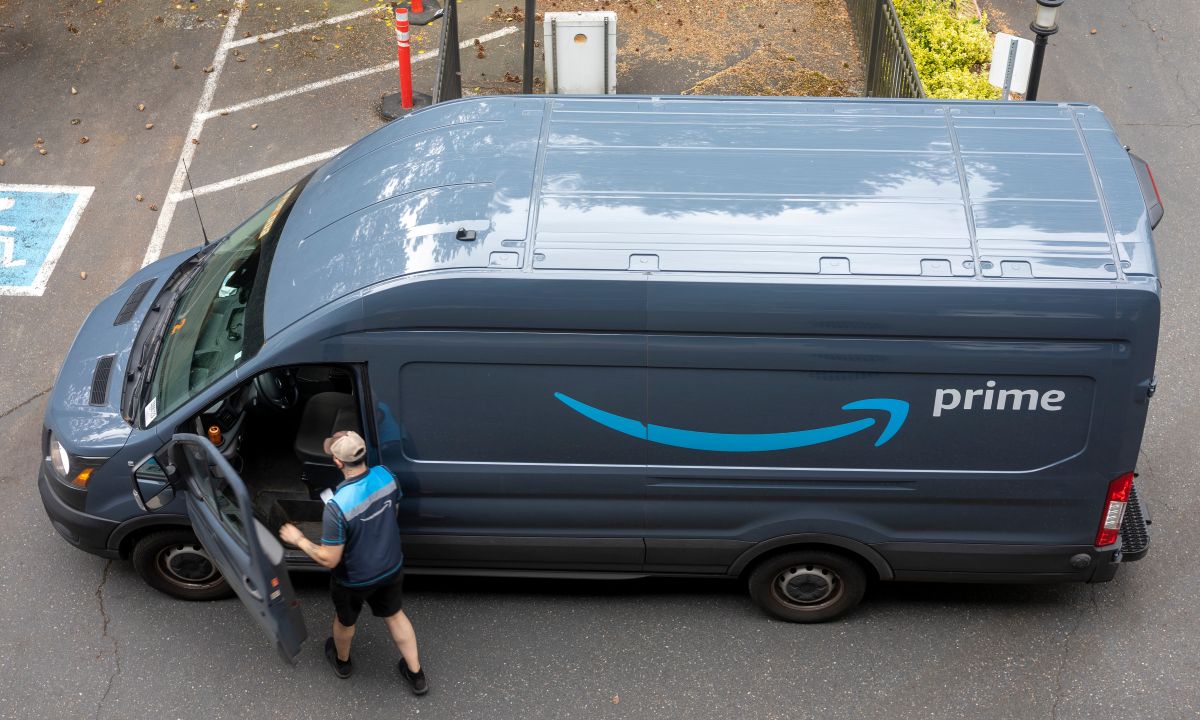
The retail landscape is undergoing a structural shift as smaller merchants move away from the hyper-speed delivery models popularized by industry giants. For years, the expectation of near-instant fulfillment forced smaller players to absorb unsustainable logistics costs to remain competitive. This strategic retreat signals a transition toward prioritizing operational efficiency and transparent communication over the sheer velocity of parcel arrival.
Reassessing the Cost of Fulfillment
The pursuit of Amazon-level delivery speeds required significant capital expenditure on localized warehousing and expedited shipping partnerships. For smaller firms, these costs often eroded margins without providing a commensurate increase in customer loyalty. By de-emphasizing same-day or next-day delivery, these businesses are reclaiming control over their unit economics. This shift allows for a more sustainable approach to inventory management and fulfillment, moving the focus from speed to reliability.
Small businesses are now leaning into alternative competitive advantages that large-scale logistics networks struggle to replicate. These include:
- Enhanced order transparency through granular tracking updates.
- Curated product assortments that emphasize value over commodity availability.
- Personalized customer service interactions that build brand affinity.
Sector Read-through and Competitive Positioning
The decision to stop chasing delivery speed impacts how the broader retail sector views the consumer experience. While AMZN stock page continues to leverage its massive infrastructure to maintain its position as a logistics leader, the rest of the market is recalibrating. This divergence suggests that the consumer base is becoming increasingly segmented. One group remains tethered to the convenience of instant delivery, while another is showing a higher tolerance for longer wait times if the value proposition is sufficiently compelling.
This trend is particularly relevant for companies operating within the consumer discretionary space. As smaller retailers exit the speed race, they reduce the pressure on their own balance sheets, potentially improving long-term stability. Investors should monitor how this shift affects customer retention rates for mid-sized retailers compared to the dominant platforms. The AlphaScala data for AMZN stock page currently reflects a mixed sentiment with an Alpha Score of 54/100, illustrating the ongoing complexity of balancing massive logistics investments with shifting consumer expectations.
The Next Catalyst for Retail Logistics
The next marker for this trend will be the upcoming quarterly earnings reports from mid-sized retail entities. Analysts will look for evidence of improved operating margins resulting from reduced fulfillment costs. If these firms successfully demonstrate that customers prioritize value and transparency over delivery speed, it could trigger a broader industry reassessment of logistics spending. The degree to which these smaller players can maintain revenue growth while slowing their fulfillment cycles will determine the viability of this new strategy. Any significant deviation in customer churn rates will serve as the primary indicator of whether this pivot is a sustainable long-term play or a temporary reaction to macroeconomic pressure.