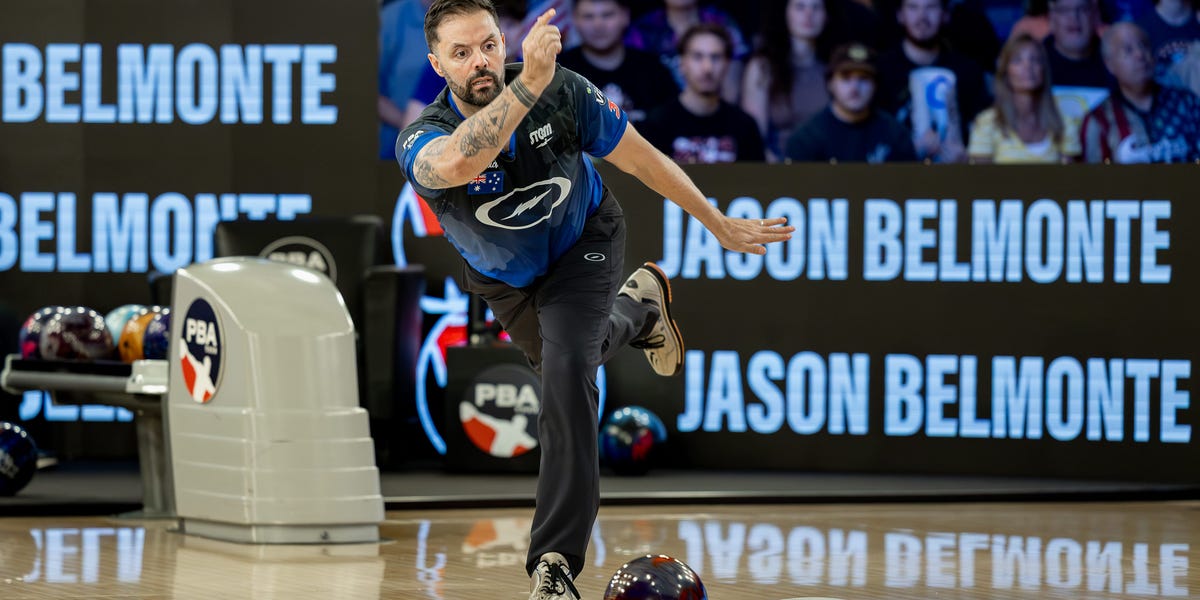
The transition of niche recreational activities into high-stakes professional sports creates unique pathways for wealth accumulation, as evidenced by the career trajectory of professional bowler Jason Belmonte. His rise from a family-owned bowling center to a career as a millionaire athlete underscores how early exposure to specialized infrastructure can serve as a foundational asset for long-term financial success. While many professional sports rely on massive public stadium investments, the bowling industry operates on a model of private, localized infrastructure that supports both grassroots participation and elite competition.
Infrastructure as a Competitive Moat
The ownership of a bowling center provides a distinct advantage in skill development. By growing up within the facility, Belmonte gained unrestricted access to the technical environment required for mastery. This model mirrors other sectors where vertical integration or proximity to production facilities offers a competitive edge. In the broader context of stock market analysis, the ability to control one's training environment is a significant variable in the sustainability of a professional career. When the facility itself is a family asset, the overhead costs associated with professional development are effectively internalized, allowing for a higher concentration of resources toward performance optimization.
The Commercialization of Niche Athletics
Professional bowling represents a segment of the sports economy that relies heavily on brand partnerships and tournament prize pools rather than the broadcast-rights-heavy models seen in major leagues. For athletes in these sectors, the path to financial stability often involves diversifying income streams through equipment endorsements and the commercialization of personal technique. This approach to career management is increasingly relevant as more niche sports attempt to scale their operations. The shift from a recreational hobby to a professional career path requires a transition from viewing the sport as a pastime to treating the associated infrastructure as a business unit.
AlphaScala data currently tracks several companies across various sectors with varying performance metrics. For instance, Agilent Technologies, Inc. holds an Alpha Score of 55/100, while ServiceNow Inc. sits at 53/100 and ON Semiconductor Corporation at 45/100. These scores reflect broader market sentiment and operational efficiency, serving as a reminder that even in highly specialized fields, the underlying financial health of the supporting ecosystem remains the primary driver of long-term value.
Future Markers for Niche Sport Investment
The next concrete marker for the professionalization of such sports will be the evolution of league-wide revenue sharing and the potential for institutional investment in facility modernization. As these sports gain wider visibility, the reliance on legacy family-owned centers may give way to larger, corporate-backed training hubs. Observers should monitor upcoming shifts in league sponsorship structures and the potential for private equity interest in the underlying real estate of these sporting venues. These developments will determine whether the current model of individual athlete success remains viable or if the industry will shift toward a more centralized, capital-intensive structure. The sustainability of this career path depends on the continued ability of these centers to attract both casual revenue and professional-grade talent simultaneously.