The Rise of the DIY Rental Asset
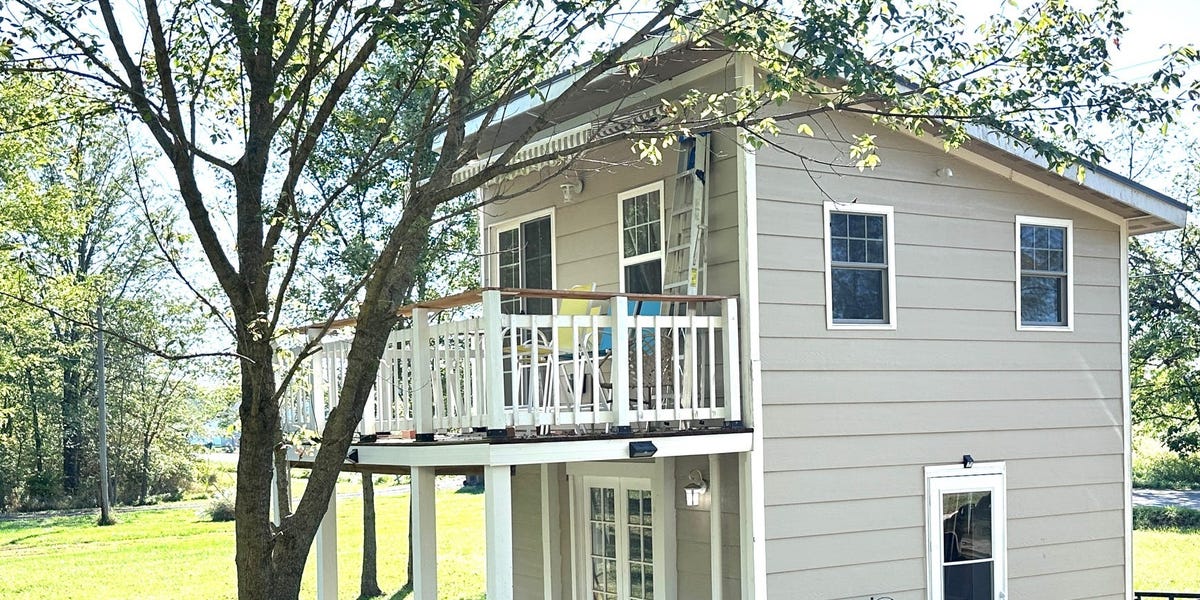
For many, the “tiny home” movement began as a minimalist lifestyle choice or an eco-conscious architectural statement. However, a new shift is emerging: the commoditization of micro-dwellings as high-yield rental assets. Jim McElwain, an Ohio-based Gen X DIY enthusiast, has recently completed the construction of a custom tiny home, signaling a growing trend where individual investors are leveraging sweat equity to tap into the lucrative short-term rental market.
McElwain’s project, which began as a personal construction hobby, has quickly pivoted toward a calculated revenue-generation strategy. By bypassing traditional modular home manufacturers and managing the end-to-end build himself, McElwain is positioning the property to serve as a high-margin addition to his portfolio. His stated performance target is ambitious: he expects the unit to generate $15,000 in annual gross revenue through the Airbnb platform.
Capitalizing on Micro-Hospitality
From a financial perspective, the tiny home model offers a distinct advantage in terms of capital expenditure (CapEx) efficiency. By maintaining a small physical footprint, builders like McElwain drastically reduce land acquisition costs—often by utilizing existing property—and minimize ongoing maintenance overheads.
For the individual investor, the math is compelling. A $15,000 annual return on a DIY build represents a significant yield, especially when compared to the volatility of traditional equity markets or the high barrier to entry for multi-family real estate. By integrating the property into the Airbnb ecosystem, McElwain is tapping into the ‘experience economy,’ where travelers prioritize unique, aesthetics-driven stays over traditional hotel inventory.
Market Context and Structural Risks
While the prospect of $15,000 in annual rental income is attractive, traders and investors should view this through the lens of the broader short-term rental (STR) landscape. The STR market has matured rapidly over the last three years, leading to increased competition and regulatory scrutiny in various municipalities.
For DIY investors, the primary risk remains occupancy volatility. Unlike long-term residential leases, Airbnb income is highly seasonal and sensitive to macroeconomic shifts, such as changes in consumer discretionary spending. Furthermore, as the supply of "unique stays" grows, the ability to maintain premium pricing power becomes increasingly dependent on property management, local zoning compliance, and the ability to distinguish the listing in a saturated digital marketplace.
What This Means for the Individual Investor
McElwain’s foray into micro-hospitality highlights a broader trend of retail investors seeking alternative income streams that are decoupled from broader market indices. This “side-hustle-as-asset” model is increasingly popular among Gen X and Millennial demographics, who are looking for ways to hedge against inflation through tangible, cash-flowing assets.
However, the transition from hobbyist builder to property manager is not without friction. Investors watching this space should look for data on occupancy rates and year-over-year revenue growth for non-professionalized, DIY listings. As the "Airbnbust" narrative continues to circulate in financial circles, the success of individual units will rely heavily on low-cost construction and high-demand geographic positioning.
Looking Ahead: The Sustainability of the Tiny Home Yield
As McElwain prepares to list his Ohio-based unit, the market will be watching to see if his revenue projections hold up against the reality of current travel demand. If DIY tiny homes can consistently hit double-digit yields, we may see a surge in similar micro-construction projects. Investors should monitor local zoning laws, as municipal crackdowns on STRs remain the single greatest threat to this asset class’s long-term viability. For now, the tiny home remains an intriguing case study in how small-scale, DIY projects are being re-engineered into modern, income-producing financial instruments.